Author
Books like Stephen King
54 books we recommend to Stephen King readers, drawn from The Long Walk, It, The Running Man, The Monkey, The Stand, Pet Sematary, 11/22/63, If It Bleeds, 'Salem's Lot, The Shining, Carrie, The Institute, Rita Hayworth and Shawshank Redemption, Rage, Never Flinch, The Green Mile, The Outsider, Mr. Mercedes, Cujo, Misery, Doctor Sleep, Gerald's Game and Revival — each with the reason why.
If you loved The Long Walk
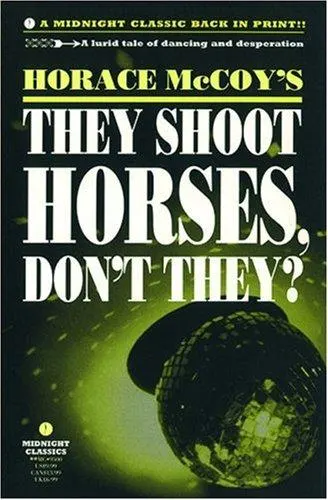
McCoy’s Depression-era classic turns a dance marathon into an apparatus for converting exhaustion, desperation, and pain into entertainment. Its contestants keep moving not because they believe in victory, but because stopping offers even less hope.
Like King, McCoy writes with pitiless economy: fatigue becomes the plot, spectators become accomplices, and small kindnesses hurt more than overt cruelty. Few novels make bodily attrition feel so immediate—or expose so clearly the obscenity of watching people suffer for a prize. This is the ancestor The Long Walk never needed to acknowledge because the family resemblance is unmistakable.
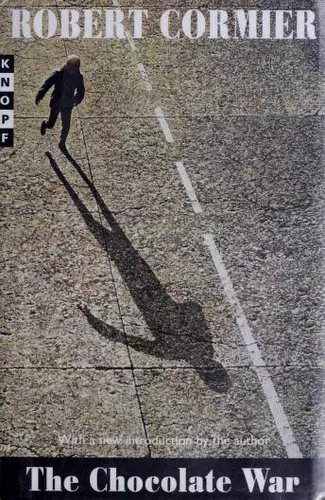
What makes The Long Walk unforgettable is partly its understanding of boys: their jokes, evasions, loyalties, humiliations, and uneasy recognition that adults have built a system designed to use them. Cormier brings that same unsentimental intelligence to a Catholic school where a student’s refusal to participate in a chocolate sale puts him against both the administration and a coercive student society.
A landmark of young-adult fiction—and long a target of censorship—The Chocolate War refuses the reassuring moral machinery usually supplied to teenage protagonists. Its language is lean, its power struggles frighteningly plausible, and its central question brutal: what does resistance mean when courage cannot guarantee protection?
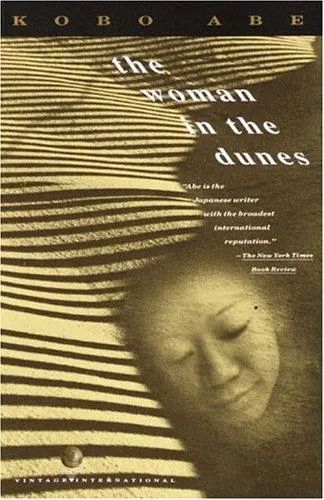
An amateur entomologist becomes trapped in a sand pit where endless labor is necessary simply to prevent the surrounding dunes from swallowing everything. From that stark mechanism, Abe creates the same kind of existential pressure King finds in compulsory walking: repetition alters time, physical discomfort colonizes thought, and survival gradually becomes stranger than death.
Winner of Japan’s Yomiuri Prize, this is a modern classic of claustrophobic fiction, tactile enough to make sand seem lodged in your clothes. Its hypnotic force lies in watching a mind adapt to an intolerable rule—then wondering whether adaptation is resilience, defeat, or something more disturbing.
If you loved It
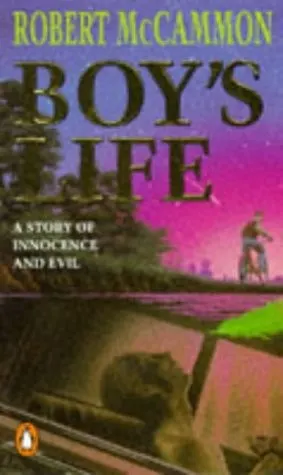
McCammon captures childhood with the same seriousness King gives the Losers: bicycles confer freedom, friendships become sacred, and adult cruelty is observed with painful clarity. When an unexplained death disturbs young Cory Mackenson’s Alabama hometown, mystery enters a world already charged with imagination and danger.
Yet Boy’s Life is no imitation of It. Its distinctive magic lies in making wonder and horror inseparable; the supernatural feels like an extension of how intensely children experience reality. Winner of the World Fantasy Award and beloved far beyond horror circles, it has become one of those novels readers press into friends’ hands. If the childhood passages were the heart of It for you, Boy’s Life is essential.
If you loved living inside Derry—learning its families, feuds, disasters, and buried history—Blackwater offers another town capacious enough to become a world. It begins with a catastrophic flood in Perdido, Alabama, and the discovery of the enigmatic Elinor Dammert, then unfolds as a vast Southern family chronicle in which money, marriage, resentment, and supernatural menace exert equal pressure.
Originally published in six monthly installments, this cult classic has the addictive momentum of serial storytelling and the authority of a fully imagined history. McDowell makes the uncanny more disturbing by placing it beside inheritance disputes and dining-room conversations, never rushing to separate domestic life from monstrosity. The result is a saga you do not merely finish; you emerge from it feeling that Perdido existed before you arrived and continues without you.
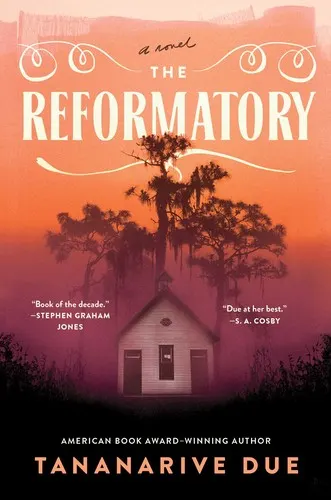
Due shares King’s conviction that supernatural horror should reveal, not eclipse, human evil. In 1950s Florida, twelve-year-old Robbie Stephens Jr. is sent to the brutal Gracetown School for Boys after defending his sister—and Robbie can see the dead. His sister Gloria’s determination to free him gives the novel its fierce emotional engine, while the institution’s ghosts make its suppressed history literally impossible to ignore.
The children here possess the courage, loyalty, and vulnerability that make the Losers unforgettable, but Due writes from the specific terror of Jim Crow America, where authority itself can be predatory. The Reformatory won the Bram Stoker, Shirley Jackson, and World Fantasy awards, extraordinary recognition for a novel that is both propulsive and morally exacting. It does what the finest passages of It do: makes you dread what may happen to its children because you have come to love them.
If you loved The Running Man
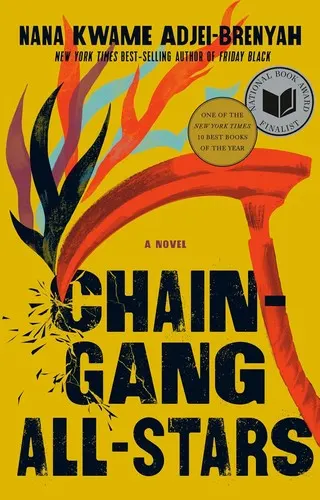
In a near-future America, incarcerated people can fight in televised death matches for a chance at freedom. Adjei-Brenyah gives the spectacle sponsors, commentators, merchandise, devoted fans—and a pair of unforgettable stars whose fame cannot disguise their captivity.
This National Book Award finalist has The Running Man’s fury at a society that turns desperation into entertainment, but it enlarges that fury through romance, collective resistance, and footnotes connecting its inventions to real American penal history. The fights are ferocious; the satire is razor-clean. More importantly, the novel never lets the audience pretend that watching is innocent.
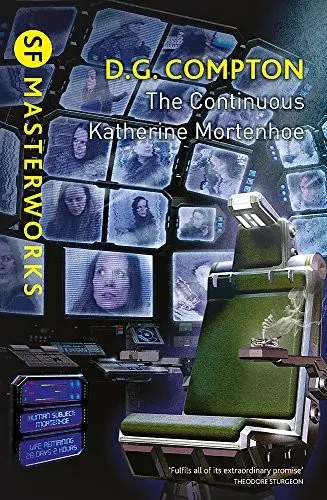
Katherine Mortenhoe is told she is dying in a future where natural death has become rare—and therefore valuable television. As a network closes in, an apparently sympathetic reporter enters her life carrying a secret camera in his eyes.
Compton shares King’s fascination with what happens when mass media converts a hunted person into content. Yet where The Running Man attacks at a sprint, this 1974 cult classic works through mounting intimacy and claustrophobia: Katherine must fight not merely to escape observation but to retain ownership of her final days. Revived by NYRB Classics and celebrated for its eerie prescience, it is a quieter novel than King’s, but its indictment of voyeurism cuts just as deep.
If you loved The Monkey

A seemingly ordinary amulet passes from person to person, leaving spectacular ruin behind. McDowell’s real gift, however, is not the curse itself but the pitiless momentum: every attempt to redirect disaster only tightens its machinery.
Like The Monkey, this is gruesome, swift, and wickedly funny about death’s refusal to behave meaningfully. McDowell—also the author of the cult-beloved Blackwater saga and a screenwriter of Beetlejuice—draws an entire Southern community with acid precision, making each fresh calamity feel both outrageous and socially revealing. Few horror novels make doom this inventive or this horribly entertaining.
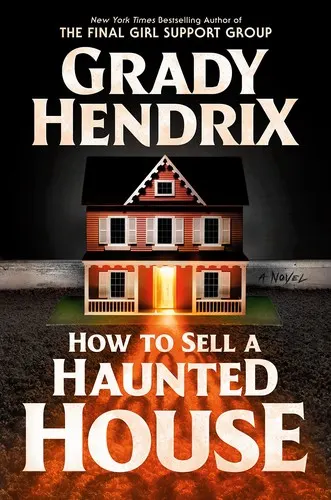
When estranged siblings Louise and Mark return to clear out their late parents’ home, they encounter the accumulated debris of childhood: old resentments, buried family history, dolls, puppets—and one particularly appalling homemade puppet named Pupkin.
Hendrix understands the peculiar horror King exploits in The Monkey: a childish object can remain faintly absurd even while becoming genuinely terrifying. The novel’s manic set pieces and black comedy gradually uncover something more painful—a story about grief, sibling rivalry, and the lies families preserve as heirlooms. Pupkin has already become one of contemporary horror’s most memorable monsters, but it is the bruised human story beneath him that makes the book difficult to shake.

An aging rock star who collects morbid curiosities buys a dead man’s suit online, only to discover that the ghost attached to it is neither decorative nor random. The haunting quickly becomes intimate, relentless, and bound to moral debts the protagonist would rather leave unexamined.
Hill gives the curse a brutally simple forward drive reminiscent of The Monkey, while grounding every supernatural escalation in character: guilt has consequences, cruelty echoes, and survival requires more than finding the right occult loophole. Winner of the Bram Stoker Award for Best First Novel, Heart-Shaped Box announced Hill as a major horror writer in his own right. It begins with a splendid hook and keeps deepening until its scares carry unexpected emotional weight.
If you loved The Stand
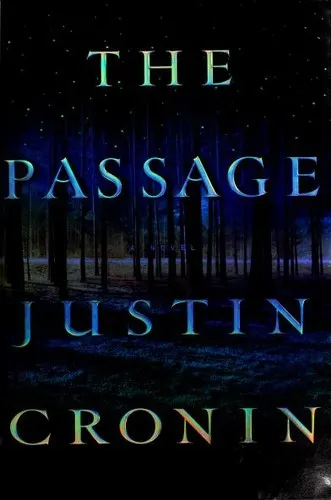
Cronin matches King’s gift for turning an enormous catastrophe into a collection of intimate human bonds. A secret experiment, a singular child named Amy, and an approaching disaster open a story that steadily expands in scale without sacrificing emotional weight.
Like The Stand, this is horror written with epic confidence: communities form, practical survival acquires moral significance, and ordinary people find themselves inside an ancient-feeling struggle. The bestselling novel launched a trilogy, but its real distinction is how fiercely readers become attached to its characters. Finishing it feels less like reaching an ending than leaving a world you inhabited.
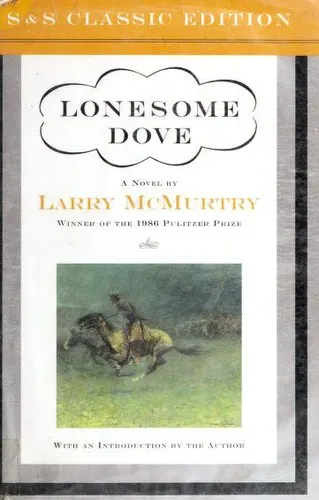
The plague is absent, but the great pleasure of The Stand is here in abundance: joining a sprawling company of unforgettable people and watching their temperaments collide during a long, dangerous journey. McMurtry can make campfire banter, wounded pride, incompetence, and steadfast friendship as gripping as mortal peril.
Its cowboys are neither polished heroes nor cynical revisions; they are funny, vain, tender, foolish, and capable of astonishing endurance. That generosity toward a huge cast is pure Stand territory. Winner of the Pulitzer Prize and beloved far beyond the western genre, Lonesome Dove is one of those rare thousand-page novels whose devotees chiefly complain that it ends.
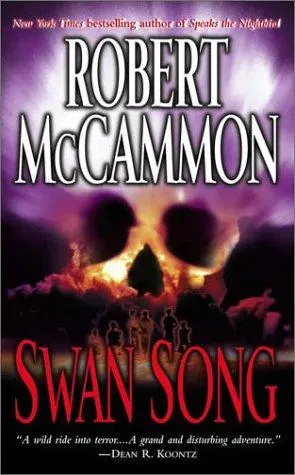
McCammon embraces something many modern novels distrust: grand, unabashed moral drama. After nuclear devastation tears America apart, scattered survivors begin gathering around fragile sources of hope while cruelty organizes just as quickly. The power lies not in the ruined landscape but in the transformation of damaged, unimportant people into figures of consequence.
Swan Song is fiercer and more nightmarish than The Stand, yet it shares King’s conviction that kindness can be active, costly, even heroic. It co-won the inaugural Bram Stoker Award for Best Novel—alongside King’s Misery—and has retained a passionate readership because it delivers the full emotional charge of an epic battle without sneering at faith, sacrifice, or redemption.
If you loved Pet Sematary
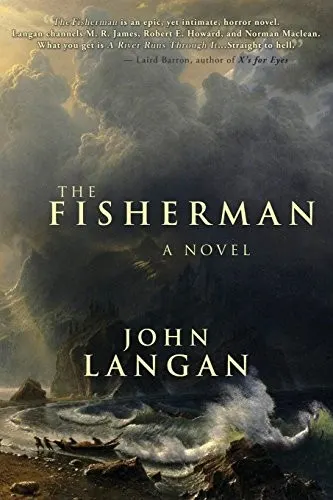
Two widowers discover that fishing can briefly quiet their grief—until they hear of a remote creek where loss may not be as final as it seems. Like Pet Sematary, Langan’s novel understands that supernatural temptation works best when it offers exactly what sorrow has made irresistible.
The story gradually opens from intimate bereavement into vast, old-fashioned cosmic horror, yet never loses its human ache. Winner of the Bram Stoker Award, The Fisherman has become a modern horror touchstone because its monsters are formidable, its storytelling hypnotic, and its deepest terror is the knowledge that grief can make ruin look like hope.
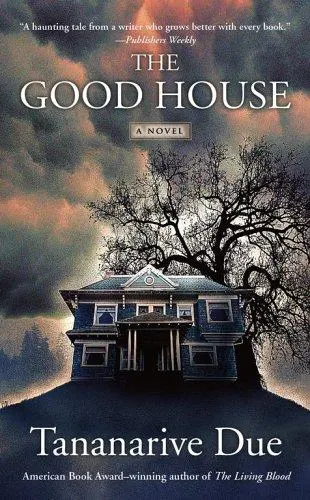
Angela Toussaint returns to her grandmother’s house still burdened by the family catastrophe that occurred there. Due makes the house feel saturated with memory: every room holds affection, guilt, and the possibility that an inherited evil has been waiting for Angela to understand it.
What will grip a Pet Sematary reader is Due’s refusal to separate haunting from family love. The horror is frightening because the people matter, and because parental guilt can turn protection into recklessness. The Good House is one of the major achievements of Due’s acclaimed career—expansive, emotionally exact, and far too powerful to remain merely a hidden gem.
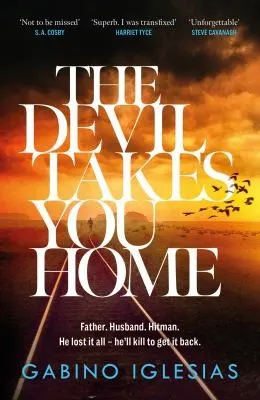
After devastating loss leaves Mario desperate and nearly broke, he accepts a dangerous criminal job that promises enough money to change his life. From there, Iglesias drives him through a world where economic cruelty, human violence, and the possibly supernatural become impossible to disentangle.
This is the choice for readers who loved Pet Sematary at its harshest: the sense that a bereaved man can recognize every warning and still keep walking toward damnation. Iglesias writes with furious momentum and startling lyricism, making each compromise feel both appalling and inevitable. A Bram Stoker Award winner, The Devil Takes You Home is not comforting horror; it is the kind that leaves scorch marks.
If you loved 11/22/63
At forty-three, Jeff Winston dies and wakes inside his eighteen-year-old body, retaining every memory of the decades ahead. Grimwood explores that premise with the same intoxicating mixture of wish fulfillment and gathering unease that powers 11/22/63: foreknowledge offers money, freedom, and influence, but cannot make happiness obedient.
What begins as a clever fantasy becomes an unexpectedly moving love story about recognition across time. Winner of the World Fantasy Award and a lasting cult favorite, Replay is leaner than King’s novel but strikes the same bittersweet nerve: the past may be revisited, yet every choice still costs a life that might have been.
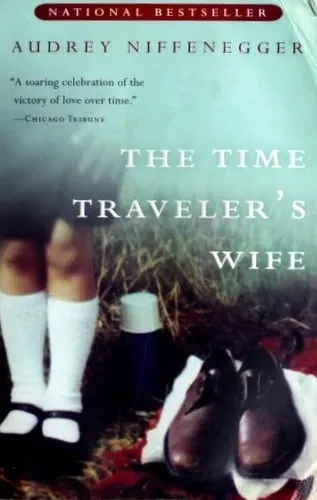
If Jake and Sadie’s relationship was the heart of 11/22/63 for you, this is indispensable. Henry involuntarily slips through time, repeatedly appearing at different moments in Clare’s life; she experiences their relationship chronologically, while he arrives carrying memories she does not yet share.
Niffenegger makes temporal paradox feel intimate rather than mechanical. A vanished afternoon, an unexpected reunion, or knowledge of a future meeting becomes charged with longing. The novel earned its enormous readership because its speculative device never eclipses its painfully human subject: loving someone when time itself keeps taking them away.
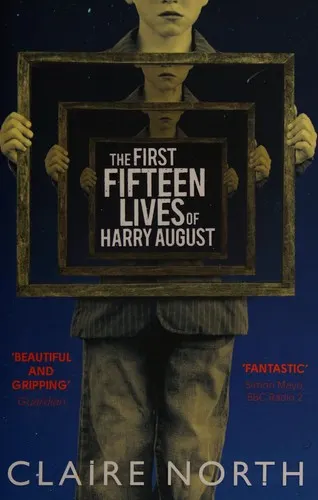
Harry August reaches the end of his life only to be born again with his memories intact. After many repetitions, a warning delivered by an unusual child reveals that history is beginning to change—and that someone like Harry may be responsible.
Claire North builds firm, fascinating rules around this conceit, then uses them to stage a battle of ideals: if you could accelerate human progress, would the lives damaged along the way matter? The friendship and rivalry at the novel’s center give those arguments personal force, much as Jake’s mission in 11/22/63 becomes inseparable from the people he loves. Winner of the John W. Campbell Memorial Award, it is ingenious, suspenseful, and morally thorny—the rare time-bending thriller whose ideas linger as powerfully as its plot.
If you loved If It Bleeds
This compact novel captures the bittersweet current running beneath stories such as “The Life of Chuck”: wonder and fear intensified by the knowledge that childhood cannot last. In 1980s Niagara Falls, a lonely boy joins his eccentric uncle’s informal investigation of local legends, entering a world of supposed hauntings and half-understood adult sorrow.
Davidson writes with the irresistible momentum of a campfire tale, then quietly changes what the tale means. The result is funny, eerie, and piercing without becoming sentimental. Readers devoted to it often remember not the ghosts but the ache behind them—and its final emotional turn can make the whole slim novel feel larger in retrospect.
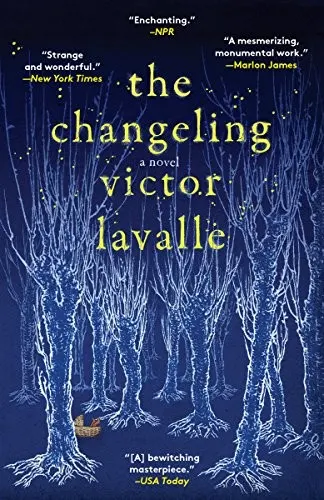
LaValle understands, as King does, that ancient terrors become more disturbing when they learn to operate through phones, social networks, and modern loneliness. Apollo Kagwa is a rare-book dealer and new father whose initially recognizable domestic life begins to acquire the logic of a dark fairy tale.
What makes the novel exceptional is its balance: brisk suspense, mordant humor, genuine tenderness, and an alertness to whose warnings society chooses not to hear. Winner of the World Fantasy Award, The Changeling has earned its reputation as a defining contemporary horror novel. It offers the same exhilarating sensation as If It Bleeds: a gifted storyteller taking familiar reality, loosening one crucial bolt, and letting the uncanny rush in.
If you loved 'Salem's Lot
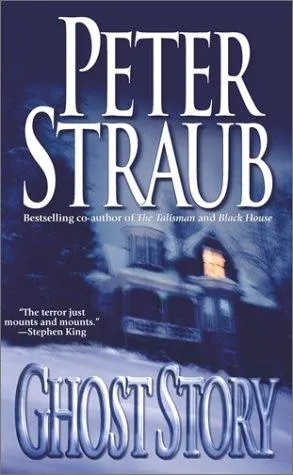
Four elderly men in a small New York town meet to tell one another frightening stories, while an old secret begins exerting pressure on the present. Straub builds horror as King does in ’Salem’s Lot: through an ensemble of fully inhabited lives, ominous fragments, and the gradual realization that seemingly isolated disturbances form one vast design.
Straub’s landmark novel is more labyrinthine and dreamlike than King’s, but it has the same patience, seriousness, and appetite for escalation. Its evil is terrifying not merely because it kills, but because it knows people intimately—their guilt, vanity, grief, and capacity for denial. Few horror novels make a whole town feel so vulnerable, or reward slow reading with such an overwhelming convergence.
A charismatic auctioneer arrives in a poor New Hampshire farming community and begins requesting donated goods for ostensibly public purposes. Each demand seems small enough to tolerate. That is the trap.
This lean, ferociously controlled novel contains no conventional vampire, yet it captures the deepest terror of ’Salem’s Lot: watching a community lose the ability to resist. Samson shows neighbors accommodating the intolerable, institutions becoming instruments of coercion, and ordinary decency buckling by increments. Long cherished as a neglected classic and revived by NYRB Classics, it turns civic politeness into a mechanism of nightmare. Once its pressure begins rising, the book is almost impossible to put down.
Jeremy Freirs, a graduate student researching Gothic literature, rents a room on an isolated New Jersey farm owned by the devout Poroth family. His quiet summer of reading soon acquires a disquieting undertow: peculiar natural events, old beliefs, and hints of something whose plans extend far beyond any single household.
Klein shares King’s gift for letting ancient evil infiltrate an exact, recognizable modern world. The novel proceeds deliberately, making weather, insects, scripture, and casual conversation feel charged with hidden purpose; its erudition deepens the fear instead of smothering it. Klein published only this one novel, but its cult reputation among serious horror readers has endured for decades. If you loved the sense in ’Salem’s Lot that evil was patiently arranging the entire board, The Ceremonies is essential.
If you loved The Shining
This is one of The Shining’s clearest literary ancestors, and King acknowledged its influence. A financially strained family rents an impossibly grand summer house on suspiciously generous terms; almost imperceptibly, caring for the property becomes an obsession.
Marasco understands that a haunted house is most frightening when it offers people exactly what they crave. The mounting dread comes from watching domestic routines become rituals of submission and family resentments become openings through which the house can act. Long overshadowed by its film adaptation, Burnt Offerings has endured as a foundational modern haunted-house novel—and its slow, inexorable malice still feels viciously fresh.
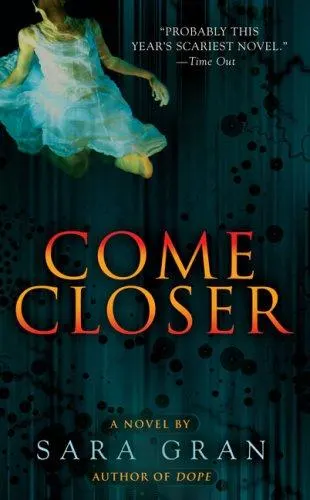
If Jack Torrance’s compromised inner life was the most frightening part of The Shining, read Come Closer. Amanda begins hearing a faint tapping in her apartment and noticing impulses that do not quite feel like her own. Gran keeps us inside her mind as irritation, appetite, and self-sabotage become increasingly difficult to distinguish from possession.
The result is a lean cult classic about losing authority over yourself. Its horror lies not merely in transformation but in the tiny permissions that make transformation possible—the drink taken, the cruelty indulged, the warning rationalized away. Come Closer is brutally concise, darkly seductive, and nearly impossible to stop reading once Amanda’s voice has you.
If you loved Carrie
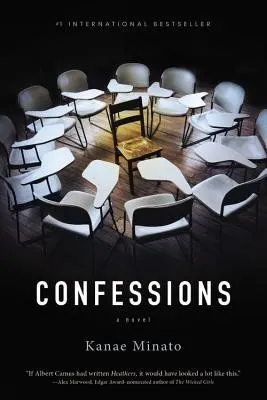
A teacher calmly tells her class that two students murdered her young daughter. From that opening accusation, Minato passes the story among competing voices, each confession exposing another layer of schoolyard cruelty, self-deception, and revenge.
Like Carrie, this Japanese Booksellers’ Award winner turns adolescence into a sealed pressure chamber. Its documentary structure makes disaster feel simultaneously inevitable and impossible to understand completely. Minato’s prose is cool where King’s is feverish, but that restraint only sharpens the horror: every revelation clicks into place with the precision of a trap.

Ojeda enters the private mythology of teenage girls: invented gods, dangerous games, creepypasta, obsessive friendships, and the ecstatic terror of testing how far devotion can go. A group of students at an elite Catholic school draw their anxious teacher into this world, where authority and rebellion begin feeding each other.
Readers who loved Carrie’s fusion of religious dread, bodily fear, and female rage will recognize its emotional voltage, but Jawbone is stranger and more intoxicating. Sarah Booker’s translation preserves the novel’s headlong, incantatory language; its place as a National Book Award finalist reflects how successfully Ojeda turns adolescent obsession into serious, formally daring horror.
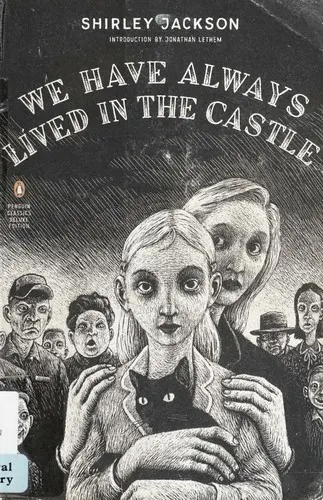
Merricat Blackwood lives with her sister Constance and elderly uncle in a great house shunned by the nearby village. Years earlier, most of the family died after arsenic was put in the sugar bowl. Merricat now protects the diminished household with buried objects, private spells, and a ferocious imagination.
Jackson’s masterpiece shares Carrie’s deepest source of horror: the collective appetite for identifying an outsider and punishing her. Merricat’s voice is funny, unsettling, wounded, and utterly singular; the villagers’ ordinary malice is more frightening than any supernatural threat. Few novels understand so well how persecution can create the very monstrosity it claims to fear.
If you loved The Institute
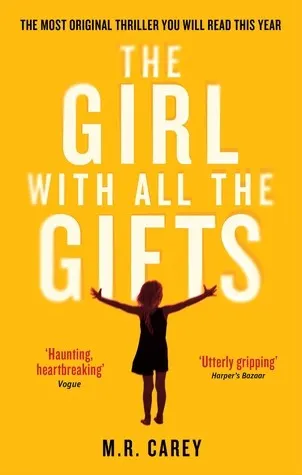
Melanie lives in a cell, attends lessons while strapped into a wheelchair, and adores her teacher. The adults around her call this arrangement necessary; Carey steadily exposes how much moral cowardice can hide inside that word.
Like King, he gives a gifted child an alert, appealing mind rather than treating her as a supernatural device. The result is a fast, ingenious thriller powered by tenderness, divided loyalties, and increasingly uncomfortable questions about who deserves saving. Carey’s breakout novel earns its startling turns because Melanie matters long before the larger mystery does.
Ishiguro’s Hailsham initially appears far kinder than King’s Institute: an English school remembered through friendships, jealousies, art projects, and private rituals. Yet its soothing vocabulary and watchful guardians gradually reveal a system built on the same chilling premise—that young lives can be managed for someone else’s benefit.
This Booker-shortlisted novel replaces King’s headlong suspense with quiet, cumulative dread. Its narrator’s restraint makes every omission ache, and its friendships carry the devastating weight of people trying to preserve ordinary love inside an inhuman design. Few novels make institutional evil feel so polite—or so unforgettable.
If you loved Rita Hayworth and Shawshank Redemption
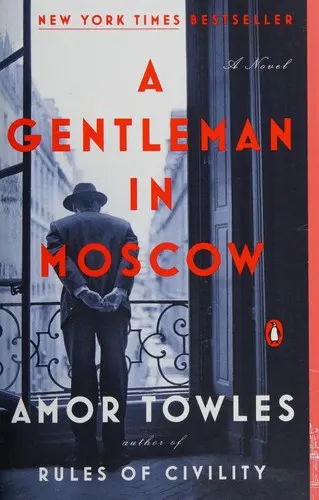
In 1922, Count Alexander Rostov is sentenced to lifelong house arrest inside Moscow’s Metropol Hotel. Like Andy Dufresne, he refuses to let confinement determine the dimensions of his inner life. Rituals, friendships, useful work, and small acts of elegance become ways of remaining free.
Towles makes passing decades engrossing through accumulated detail: rooms acquire histories, acquaintances become essential, and seemingly minor choices gather weight. This international bestseller has inspired unusual reader affection because it offers Shawshank’s rarest pleasure—the conviction that patience, competence, and generosity can quietly defeat those who believe they control you.
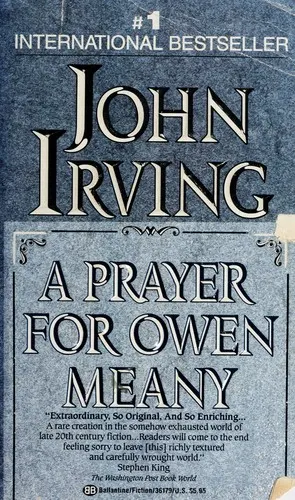
Red tells Andy’s story as if trying to explain how one extraordinary person permanently altered his idea of what human beings can be. John Wheelwright speaks of Owen Meany with the same mixture of awe, affection, amusement, and retrospective understanding.
Owen is tiny, vociferous, uncannily certain of his purpose, and impossible to forget. Irving plants details across decades—school performances, private jokes, apparent accidents—then makes them resonate with formidable narrative precision. One of Irving’s most beloved novels, it earns its enormous emotional impact patiently. If Red’s devotion to Andy was the heart of Shawshank for you, missing Owen Meany would mean missing another of fiction’s great acts of friendship-through-storytelling.
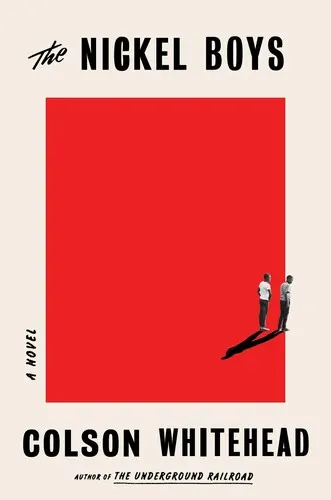
Elwood Curtis believes the world’s stated ideals should mean something. Sent to a brutal reform school, he meets Turner, who trusts survival more than principles. Their friendship becomes a tense argument about how to live when an institution is designed to erase truth, dignity, and accountability.
Whitehead’s prose is lean, controlled, and devastating; like King, he understands that cruelty becomes most frightening when it is bureaucratic and ordinary. Yet this is not misery offered for its own sake. It asks what resistance preserves, what memory owes the forgotten, and whether hope remains honorable when hope is dangerous. Winner of the Pulitzer Prize, this compact novel has Shawshank’s moral urgency stripped of consolation—and its final force is unforgettable.
If you loved Rage
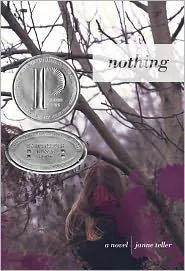
When Pierre Anthon announces that nothing matters, leaves school, and takes up residence in a plum tree, his classmates decide to prove him wrong. Their project begins with adolescent certainty and acquires its own ruthless logic.
What connects Nothing to Rage is not simply youthful rebellion but the frightening chemistry of a group liberated from adult rules. Teller understands how shame, argument, peer pressure, and the desire to be taken seriously can turn children into a collective more dangerous than any single outcast. Her prose is stark and fable-like, making every escalation feel horribly inevitable. This Danish prizewinner became an internationally controversial modern classic because it asks large philosophical questions without making them safe for the classroom.
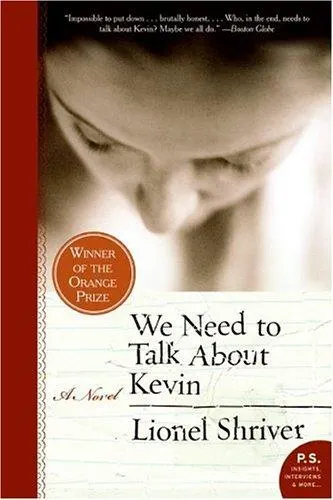
Lionel Shriver approaches school violence from the aftermath. In letters to her absent husband, Eva examines her relationship with their son Kevin, searching his childhood—and her own ambivalence about motherhood—for an explanation of the atrocity he eventually committed.
A reader gripped by Rage’s refusal to reduce Charlie Decker to a diagnosis will find the same dangerous ambiguity here. Is Kevin innately monstrous, carefully performing monstrosity, or being reconstructed by a mother who needs her memories to mean something? Shriver gives both mother and son formidable intelligence, so their conflict becomes a duel over who controls the story. Winner of the Orange Prize, the novel has earned its reputation as one of the most disturbing studies of culpability, charisma, and parental dread in contemporary fiction.
If you loved Never Flinch
A woman publishes a memoir about the unidentified killer who murdered her family—and the killer himself begins reading it. That ingenious structure creates the same predator-and-pursuer pressure that powers Never Flinch, while constantly shifting control between survivor and murderer.
Howard turns reading itself into suspense: every disclosure threatens the killer’s anonymity, and every page reveals how thoroughly he has misunderstood his own importance. Lean, cunning, and almost impossible to put down, The Nothing Man offers both a first-rate manhunt and a bracing refusal to romanticize serial killers.
Detroit detective Gabi Versado is called to a grotesque crime scene: the body of a boy has been fused to that of a deer. From there, Beukes follows cops, teenagers, artists, journalists, and a murderer whose private logic is beginning to infect the world around him.
Like King at his best, Beukes makes the supernatural feel less like an escape from reality than a pressure building inside it. The procedural details are convincing, the ensemble is sharply alive, and the horror arrives through gradual distortions rather than easy shocks. Broken Monsters has earned a devoted following because it does something rare: it remains a gripping detective novel even as it becomes stranger, darker, and harder to classify.
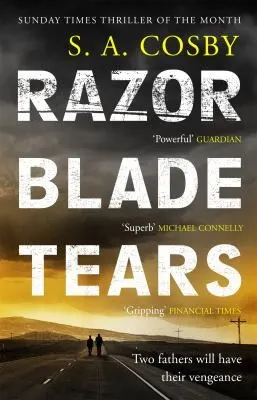
Ike and Buddy Lee are two ex-cons—and deeply imperfect fathers—whose married sons have been murdered. Their decision to find the killers launches a ferocious revenge story, but Cosby’s real subject is the cost of realizing too late that love was compromised by pride and prejudice.
A Never Flinch reader will recognize the combination of righteous anger, bruised tenderness, sudden violence, and bleakly funny companionship. Cosby gives even his most explosive scenes emotional consequences; nobody walks through bloodshed unchanged. Razorblade Tears helped confirm him as one of contemporary crime fiction’s essential voices, and its final power comes not from vengeance alone but from the painful possibility of becoming better than you were.
If you loved The Green Mile
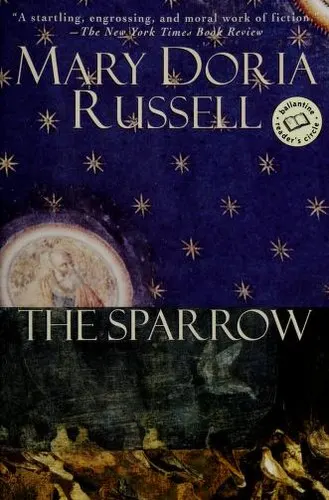
The Sparrow begins with a Jesuit priest returning as the shattered sole survivor of humanity’s first mission to another world. What happened to him—and what it means for his faith—emerges through testimony, memory, and the patient reconstruction of catastrophe.
A reader haunted by The Green Mile’s questions about divine gifts, undeserved suffering, and the terrible limits of good intentions will recognize the pressure Russell applies. Her characters are intelligent, funny, affectionate people, which makes their hope vivid rather than naive and their ordeal devastating rather than merely bleak. Winner of the Arthur C. Clarke Award, The Sparrow has become a touchstone of literary science fiction because it takes theology and human attachment completely seriously. It leaves behind the rarest kind of ache: the sense that faith has been challenged honestly, without being cheaply affirmed or dismissed.
If you loved The Outsider
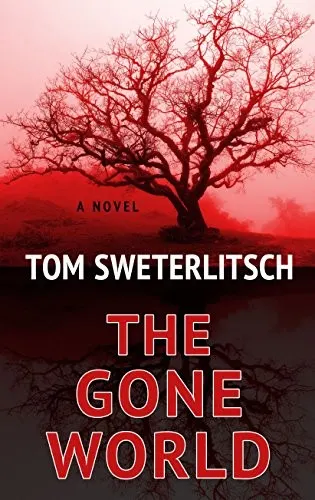
NCIS investigator Shannon Moss confronts a murdered family, a missing Navy SEAL, and evidence that seems to violate reality itself. Like The Outsider, the novel treats the impossible not as an excuse to abandon procedure but as a demand for more exacting detective work.
Sweterlitsch gives clues genuine weight while steadily enlarging the terror behind them. Moss also has Holly Gibney’s invaluable quality: she can accept an outrageous conclusion once the evidence earns it. Fiercely intelligent, emotionally bruising, and propelled by cosmic dread, The Gone World is the rare thriller whose central mystery becomes more gripping as its implications become less bearable.
If you loved Mr. Mercedes
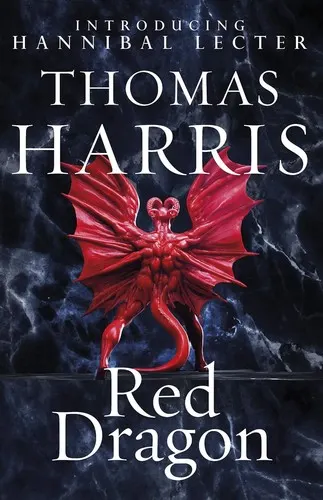
This landmark thriller offers the same unnerving intimacy with both hunter and hunted. Former investigator Will Graham is pulled back into police work to pursue a killer whose private logic Harris lets us glimpse, creating suspense from what the reader knows as much as from what Graham discovers.
Like King, Harris understands that procedure becomes gripping when it costs the investigator something. Graham’s unusual empathy is both his great talent and his vulnerability, while the killer is frightening precisely because Harris gives him an ordinary human texture. Red Dragon helped define the modern psychological crime novel, and its influence is still everywhere; few successors equal its controlled dread or the awful momentum of its closing stretch.
Higashino replaces the conventional whodunit with something more tantalizing: a contest between exceptionally intelligent people in which the real mysteries are how, why, and whether the truth can be proved. From its opening, the reader knows far more than the investigators do—but never quite enough.
That structure should delight anyone who enjoyed watching Hodges and Brady anticipate, provoke, and misread each other. Yet this Naoki Prize-winning novel is more than an ingenious puzzle. Its schemes arise from loneliness, loyalty, and desperate need, giving every deduction emotional weight. The ending reveals just how carefully Higashino has joined mathematical elegance to human pain; missing it means missing one of crime fiction’s great feats of construction.
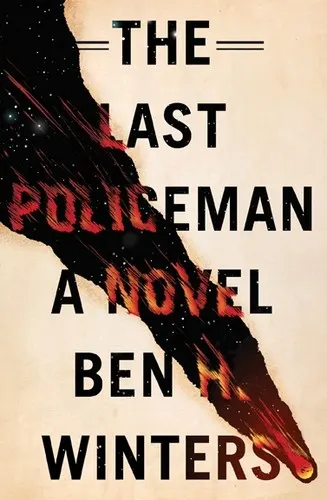
An asteroid is approaching Earth, civilization is quietly coming apart, and detective Hank Palace insists that an apparent suicide deserves a proper investigation. The premise is audacious, but the novel’s real kinship with Mr. Mercedes lies in its question: what can detective work mean to a man when the future has effectively vanished?
Palace’s stubborn professionalism is funny, sad, and increasingly moving. Winters keeps the investigation brisk and concrete while showing how purpose can hold a personality together—much as Hodges’s case pulls him back from the edge. Winner of the Edgar Award for Best Paperback Original, The Last Policeman begins an acclaimed trilogy, but it stands beautifully on its own: a lean mystery with a surprisingly large moral heart.
If you loved Cujo
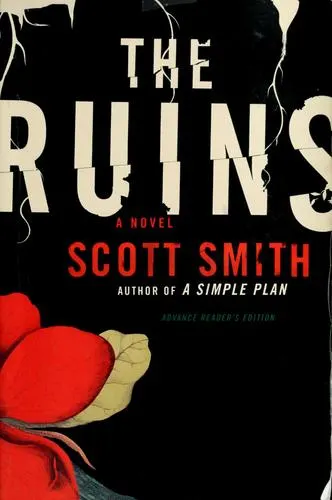
A group of tourists searching for a missing traveler reaches an isolated archaeological site and discovers that leaving will not be easy. From there, Scott Smith applies pressure with almost sadistic precision: heat, thirst, injury, mistrust, and decisions that are understandable in the moment but disastrous together.
Like Cujo, this is horror as an endurance test. Smith gives every physical detail weight and never lets possible rescue dissolve the tension. The Ruins has become a modern survival-horror touchstone because it is brutally efficient, yet its real cruelty lies in watching recognizable people calculate, quarrel, hope, and fail. Few novels make bad luck feel so terrifyingly organized.
If you loved Misery
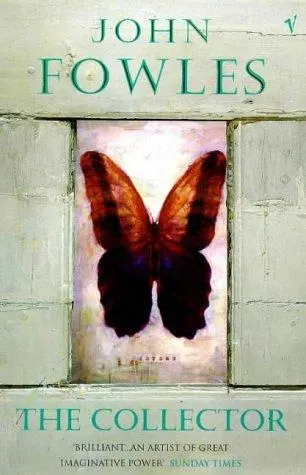
Frederick Clegg collects butterflies; when he becomes obsessed with an art student named Miranda, he applies the same cold logic of acquisition to her. What links this enduringly disturbing 1963 novel to Misery is not simply imprisonment, but the captor’s conviction that adoration confers ownership. Like Annie Wilkes, Frederick can interpret resistance as ingratitude and coercion as care.
Fowles lets us hear both captor and captive, exposing the abyss between Frederick’s decorous self-image and Miranda’s terror. The result is more psychologically poisonous than a conventional thriller: every apparent kindness becomes another instrument of control. The Collector remains a landmark of literary suspense because it understands that the most frightening monster is one who believes himself reasonable.
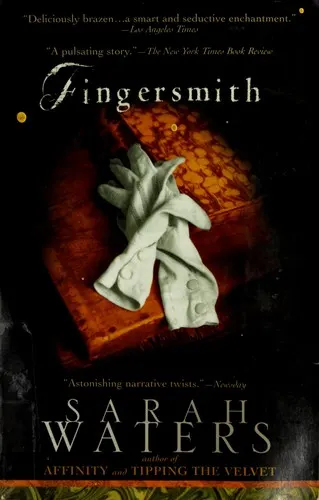
Sue Trinder, raised among thieves, joins a scheme to defraud Maud Lilly, a sheltered heiress living in an oppressive country house. Saying much more would steal the pleasure, because this Booker-shortlisted novel is engineered with extraordinary precision: confidences become traps, performances acquire dangerous reality, and every assumption about who understands whom is vulnerable.
Misery turns writing into a physical struggle for authority—Annie dictates what story may exist, while Paul tries to write himself toward freedom. Fingersmith expands that conflict until narration, literacy, documents and credibility all become weapons. Waters combines ruthless plotting with characters whose desires never feel mechanical. It is the rare twist-driven novel that becomes richer once its surprises are known; missing it means missing one of the finest demonstrations of storytelling as both seduction and captivity.
If you loved Doctor Sleep
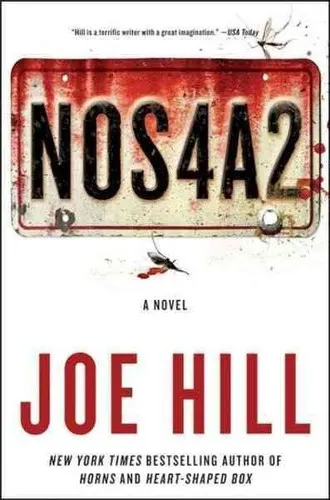
Vic McQueen can find lost things by riding through an impossible covered bridge. Charlie Manx uses a similarly uncanny road to carry children somewhere far more sinister. That psychic opposition recalls Doctor Sleep, but the stronger kinship lies in Vic: a damaged, difficult adult forced to decide whether her gift is an excuse for self-destruction or a reason to act.
Hill gives the story King-sized momentum without sacrificing emotional consequence. Its villain is memorably grotesque, its supernatural geography feels instantly legendary, and its battered heroine earns every scrap of courage. This is modern maximalist horror at its most exhilarating.
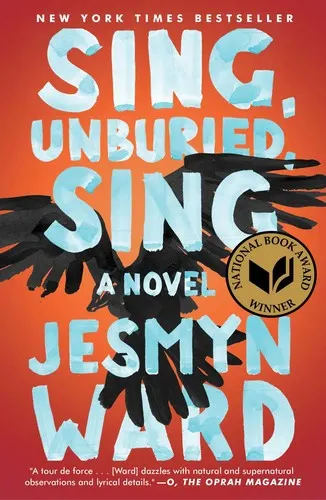
This National Book Award winner is not conventional horror, yet it reaches the same nerve as Doctor Sleep: children seeing what compromised adults cannot, addiction corroding a family, and the dead remaining urgently present.
Thirteen-year-old Jojo travels across Mississippi with his neglectful, drug-dependent mother, Leonie, whose grief and need shape every mile. Ward refuses easy divisions between monsters and victims; her characters can wound others terribly while still inspiring compassion. Her prose is incantatory, but the novel’s power is brutally concrete—hunger, heat, shame, tenderness. Readers moved by Dan Torrance’s struggle to turn inherited damage into care will find this devastating and indispensable.
If you loved Gerald's Game
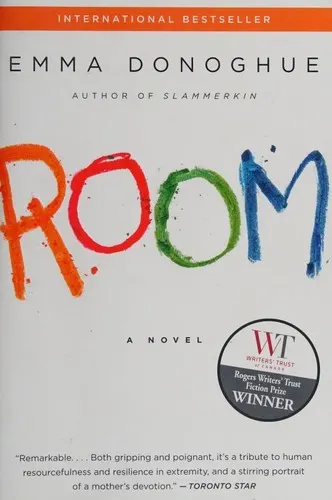
Five-year-old Jack believes the locked room he shares with his mother is the whole world. Because Donoghue lets him narrate, every household object acquires a personality and every adult horror must be inferred through a child’s bright, limited vocabulary.
That audacious perspective makes Room an ideal follow-up: it shares Gerald’s Game’s fascination with how an imprisoned mind reorganizes reality and how ingenuity grows from intimate knowledge of a tiny space. Yet its emotional engine is different—the fierce, complicated bond between mother and son. A Booker Prize finalist and a novel embraced far beyond literary circles, it earns its reputation by making terror and tenderness inseparable.
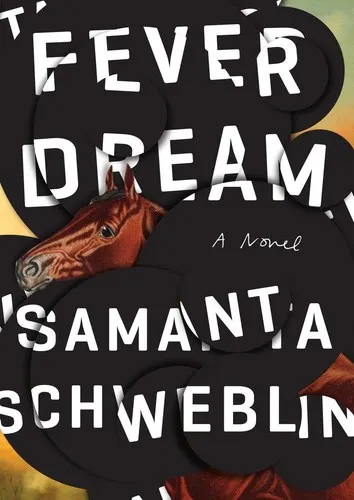
A woman lies in a clinic while a strange boy urgently questions her. Together they sift her recent memories, searching for the exact instant when something went wrong. The conversation keeps tightening, skipping past explanations and returning obsessively to details that may be warnings—or may already be too late.
Schweblin recreates the most unnerving quality of Gerald’s Game: consciousness itself becoming the scene of danger. Bodies cannot be trusted, memory offers no stable refuge, and love sharpens fear rather than relieving it. Shortlisted for the International Booker Prize, this slim Argentine novel has the compression of a nightmare and the precision of a trap. It is brief enough for one sitting and difficult to shake for weeks.
If you loved Revival

A grieving father drives across Argentina with his young son, frightened not only by what may pursue them but by what the boy may inherit. From that tense opening, Enriquez builds an immense family novel about love under pressure from occult power, political brutality, and an otherworldly darkness that cannot be made safe or sentimental.
What connects it to Revival is the collision between a fully lived human history and something pitiless beyond human comprehension. Enriquez makes tenderness feel precarious and supernatural knowledge feel contaminating. Winner of the Herralde Prize and widely hailed as a major work of contemporary horror, this is a ferocious, emotionally consuming novel whose darkness has genuine weight.
The Croning begins by warping a familiar fairy tale into something ancient and malign, then turns to Don Miller, an aging geologist troubled by absences in his memory and odd shadows around his long marriage. Barron’s masterstroke is to make cosmic horror operate through time itself: decades of domestic life acquire new, terrible meanings as Don begins noticing what he has failed—or been made unable—to see.
Readers who loved how Charles Jacobs becomes a recurring fault line through Jamie Morton’s life will recognize the dreadful cumulative force here. Barron’s muscular prose, insinuating clues, and refusal of comforting metaphysics have made The Croning a cult cornerstone of twenty-first-century cosmic horror. Its revelations do not merely frighten; they retroactively poison everything that came before.