
Books like Misery
The Collector makes captivity a collision between two private languages; The Woman in the Dunes makes it a battle against matter itself. Along with Fingersmith, these novels share Misery’s deeper pleasures: intimate contests of will, resourceful prisoners, grotesquely distorted devotion, and suspense built from who controls the story.
If you liked Misery, you’ll love these
Not lookalikes — kindred books. Each one shares something essential with Misery, and we tell you exactly what.

Frederick Clegg collects butterflies; when he becomes obsessed with an art student named Miranda, he applies the same cold logic of acquisition to her. What links this enduringly disturbing 1963 novel to Misery is not simply imprisonment, but the captor’s conviction that adoration confers ownership. Like Annie Wilkes, Frederick can interpret resistance as ingratitude and coercion as care.
Fowles lets us hear both captor and captive, exposing the abyss between Frederick’s decorous self-image and Miranda’s terror. The result is more psychologically poisonous than a conventional thriller: every apparent kindness becomes another instrument of control. The Collector remains a landmark of literary suspense because it understands that the most frightening monster is one who believes himself reasonable.
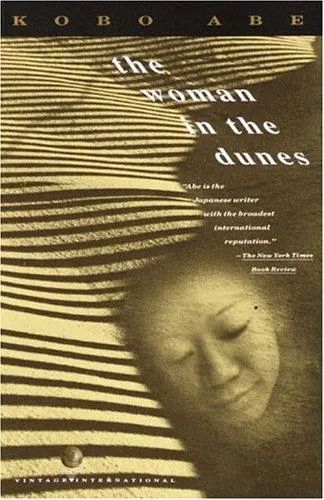
An amateur entomologist searching for insects accepts shelter in a house at the bottom of a sand pit. By morning, the ladder is gone. From there Kobo Abe creates one of fiction’s most tactile ordeals: sand invades food, clothing, sleep and skin, while the endless labor of keeping it at bay becomes both punishment and necessity.
A reader who loved Paul Sheldon’s improvisational struggle will recognize the fierce attention forced upon a trapped mind. Every tool, bodily weakness and shift in routine may matter. Yet Abe pushes that suspense toward stranger questions about work, freedom and adaptation. Winner of Japan’s Yomiuri Prize and the source of Hiroshi Teshigahara’s celebrated film, this is a modern classic that feels at once like a survival thriller, a nightmare and an existential trap closing grain by grain.

Sue Trinder, raised among thieves, joins a scheme to defraud Maud Lilly, a sheltered heiress living in an oppressive country house. Saying much more would steal the pleasure, because this Booker-shortlisted novel is engineered with extraordinary precision: confidences become traps, performances acquire dangerous reality, and every assumption about who understands whom is vulnerable.
Misery turns writing into a physical struggle for authority—Annie dictates what story may exist, while Paul tries to write himself toward freedom. Fingersmith expands that conflict until narration, literacy, documents and credibility all become weapons. Waters combines ruthless plotting with characters whose desires never feel mechanical. It is the rare twist-driven novel that becomes richer once its surprises are known; missing it means missing one of the finest demonstrations of storytelling as both seduction and captivity.