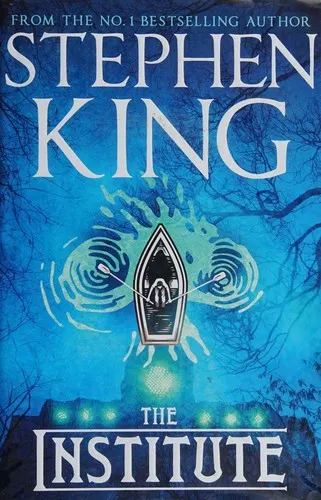
Books like The Institute
The Institute’s nastiest trick is turning extraordinary children into paperwork; its greatest thrill is watching those children turn loyalty into a weapon.
If you liked The Institute, you’ll love these
Not lookalikes — kindred books. Each one shares something essential with The Institute, and we tell you exactly what.
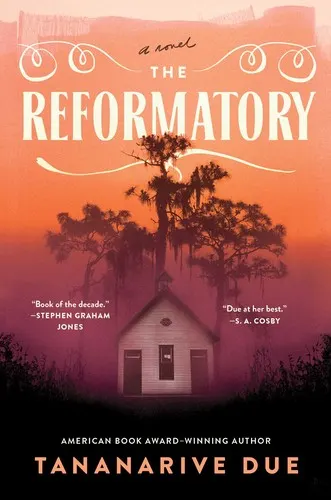
When twelve-year-old Robbie is sent to a vicious Florida reform school, he faces both institutional brutality and the ghosts only he can see. Due makes friendship and mutual protection feel like acts of rebellion—the same emotional engine that drives The Institute—while grounding every supernatural terror in the very real machinery of Jim Crow.
Winner of both the Bram Stoker and World Fantasy awards, The Reformatory is harrowing, suspenseful, and fiercely humane. Its horrors linger because Due never lets cruelty eclipse the courage of children resisting it.
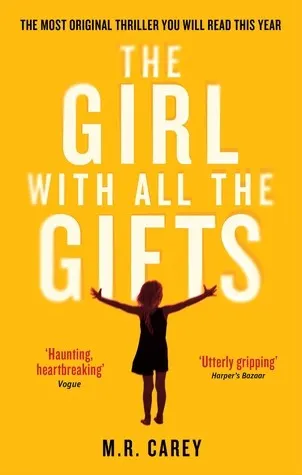
Melanie lives in a cell, attends lessons while strapped into a wheelchair, and adores her teacher. The adults around her call this arrangement necessary; Carey steadily exposes how much moral cowardice can hide inside that word.
Like King, he gives a gifted child an alert, appealing mind rather than treating her as a supernatural device. The result is a fast, ingenious thriller powered by tenderness, divided loyalties, and increasingly uncomfortable questions about who deserves saving. Carey’s breakout novel earns its startling turns because Melanie matters long before the larger mystery does.

Ishiguro’s Hailsham initially appears far kinder than King’s Institute: an English school remembered through friendships, jealousies, art projects, and private rituals. Yet its soothing vocabulary and watchful guardians gradually reveal a system built on the same chilling premise—that young lives can be managed for someone else’s benefit.
This Booker-shortlisted novel replaces King’s headlong suspense with quiet, cumulative dread. Its narrator’s restraint makes every omission ache, and its friendships carry the devastating weight of people trying to preserve ordinary love inside an inhuman design. Few novels make institutional evil feel so polite—or so unforgettable.