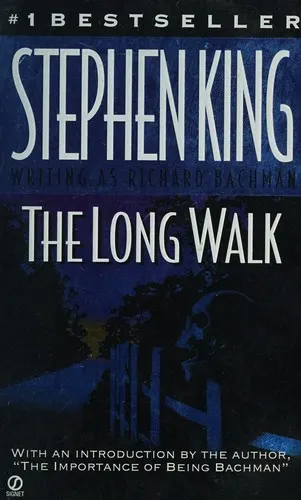
Books like The Long Walk
The cruellest thing about The Long Walk is that, once its rule is established, the horror comes from ordinary conversation continuing while bodies fail and friendships become impossible to save.
If you liked The Long Walk, you’ll love these
Not lookalikes — kindred books. Each one shares something essential with The Long Walk, and we tell you exactly what.
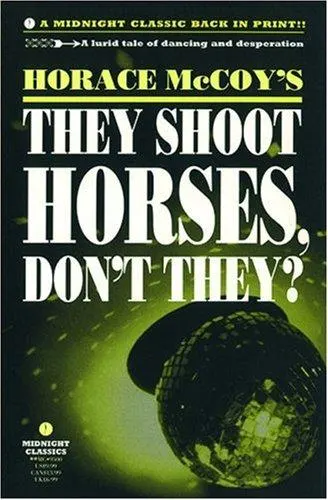
McCoy’s Depression-era classic turns a dance marathon into an apparatus for converting exhaustion, desperation, and pain into entertainment. Its contestants keep moving not because they believe in victory, but because stopping offers even less hope.
Like King, McCoy writes with pitiless economy: fatigue becomes the plot, spectators become accomplices, and small kindnesses hurt more than overt cruelty. Few novels make bodily attrition feel so immediate—or expose so clearly the obscenity of watching people suffer for a prize. This is the ancestor The Long Walk never needed to acknowledge because the family resemblance is unmistakable.
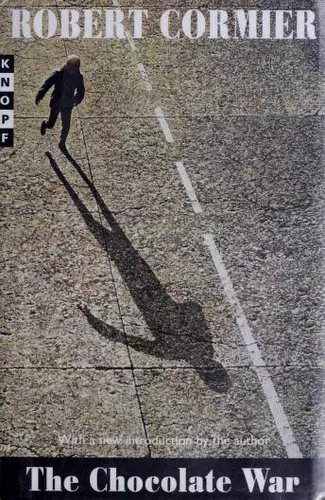
What makes The Long Walk unforgettable is partly its understanding of boys: their jokes, evasions, loyalties, humiliations, and uneasy recognition that adults have built a system designed to use them. Cormier brings that same unsentimental intelligence to a Catholic school where a student’s refusal to participate in a chocolate sale puts him against both the administration and a coercive student society.
A landmark of young-adult fiction—and long a target of censorship—The Chocolate War refuses the reassuring moral machinery usually supplied to teenage protagonists. Its language is lean, its power struggles frighteningly plausible, and its central question brutal: what does resistance mean when courage cannot guarantee protection?
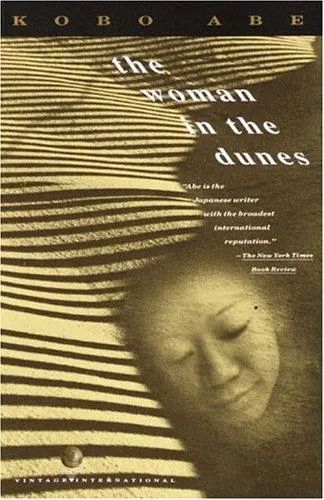
An amateur entomologist becomes trapped in a sand pit where endless labor is necessary simply to prevent the surrounding dunes from swallowing everything. From that stark mechanism, Abe creates the same kind of existential pressure King finds in compulsory walking: repetition alters time, physical discomfort colonizes thought, and survival gradually becomes stranger than death.
Winner of Japan’s Yomiuri Prize, this is a modern classic of claustrophobic fiction, tactile enough to make sand seem lodged in your clothes. Its hypnotic force lies in watching a mind adapt to an intolerable rule—then wondering whether adaptation is resilience, defeat, or something more disturbing.