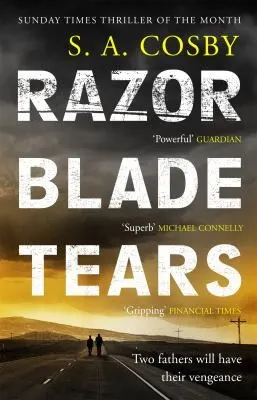
Books like Razorblade Tears
—because what lingers is not simply the revenge plot, but the way grief, prejudice, and damaged masculinity are forced into the same speeding car. These three novels carry that moral and emotional charge in strikingly different directions.
If you liked Razorblade Tears, you’ll love these
Not lookalikes — kindred books. Each one shares something essential with Razorblade Tears, and we tell you exactly what.
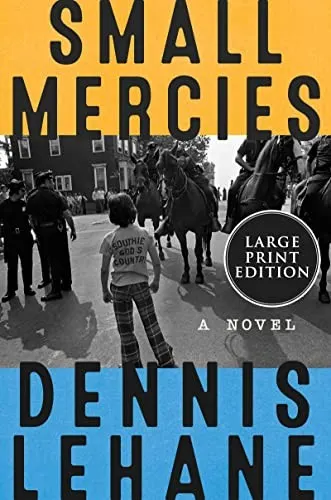
Mary Pat Fennessy is a hard, prejudiced woman from working-class South Boston whose teenage daughter disappears as the city erupts over school desegregation. Like Cosby, Lehane refuses to make a compromised parent conveniently virtuous: Mary Pat’s ferocious love exists alongside beliefs the novel examines without mercy.
The result is both a muscular crime story and an unsparing portrait of tribal hatred. Lehane’s dialogue snaps, the violence has weight, and every revelation tightens the connection between private grief and communal bigotry. One of his fiercest novels, Small Mercies offers the same unsettling pleasure as Razorblade Tears: watching rage become a possible instrument of moral awakening.
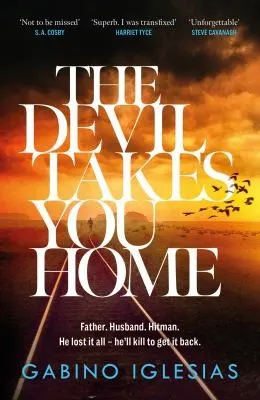
After medical debt and the death of his young daughter destroy Mario’s life, he accepts a final, catastrophically dangerous criminal job. Iglesias gives his descent the velocity of noir, the extremity of horror, and the emotional foundation of a bereaved father who no longer knows what he is capable of.
This is the choice for readers who admired Cosby’s willingness to make violence horrifying, thrilling, and morally consequential at once. Its seamless movement between English and Spanish deepens a world shaped by racism, desperation, faith, and supernatural dread. Winner of the Bram Stoker Award for best novel, it is bleak, feverish, and difficult to shake—a book that turns a crime narrative into a journey through grief’s inferno.
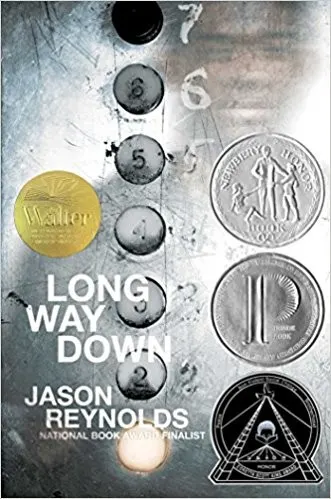
Will’s brother has been shot, and the rules are clear: don’t cry, don’t snitch, take revenge. With a gun tucked into his waistband, Will enters an elevator; nearly the entire verse novel unfolds during its sixty-second descent.
That compression makes Long Way Down feel less like a quiet poetry book than a held breath. Reynolds strips the revenge story to its exposed nerve: the inherited rules by which boys perform strength, conceal grief, and perpetuate violence. Each stop forces Will—and the reader—to reconsider what loyalty demands. Honored by both the Newbery and Printz committees, this slender novel has earned extraordinary devotion because it accomplishes in a few pages what many longer books cannot. Readers moved by Cosby’s interrogation of fatherhood, manhood, and vengeance should consider it essential.