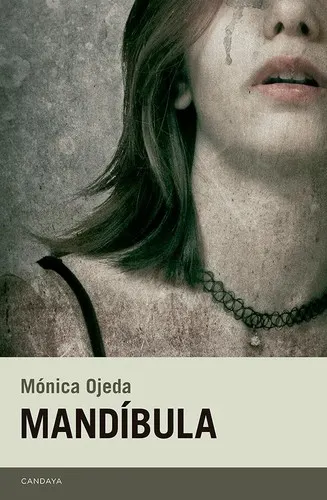
Books like Jawbone
Fernanda wakes bound in the dark, and terror immediately becomes something spoken, interpreted, almost worshipped. These novels share Jawbone’s ability to turn language, intimacy, and belief into forms of bodily danger.
If you liked Jawbone, you’ll love these
Not lookalikes — kindred books. Each one shares something essential with Jawbone, and we tell you exactly what.
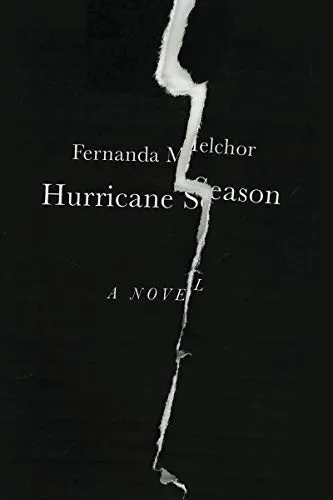
Melchor’s novel begins with children discovering a body, then plunges into a community’s competing accounts of violence, desire, resentment, and superstition. In Sophie Hughes’s translation, immense sentences gather gossip and accusation until the prose seems to be thinking faster than anyone can bear.
A reader who loved Ojeda’s fusion of verbal virtuosity and female rage will recognize this pressure: speech is confession, weapon, and contagion at once. Shortlisted for the International Booker Prize, Hurricane Season is one of the essential Latin American novels of its generation—and its savage music is nearly impossible to shake.

A teenage girl discovers black metal and begins imagining an art made against Christianity, patriarchy, and every system that demands female obedience. But Hval does not simply narrate rebellion: she builds a shapeshifting book from diary, manifesto, horror film, feminist theory, and occult invocation.
This is the recommendation for readers exhilarated by Jawbone’s creepypasta logic, intellectual play, and adolescent counter-theologies. In Marjam Idriss’s translation, Hval’s prose can be analytical one moment and incantatory the next. Girls Against God understands that girls invent monsters not only because they are frightened, but because monstrosity may offer them a language powerful enough to fight back.
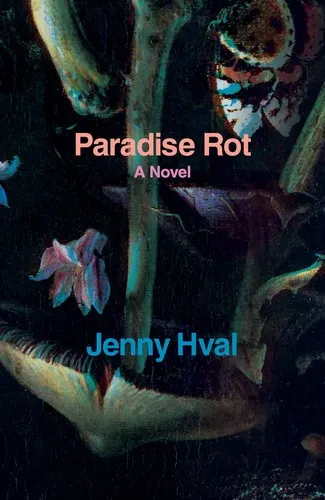
Jo, a young student abroad, moves into a decaying apartment with another woman. Apples ferment, walls soften, smells travel, and the distinction between one body and another begins to feel increasingly unreliable.
Where Jawbone is feverish and confrontational, Paradise Rot is damp, intimate, and quietly invasive. Hval makes female closeness inseparable from disgust, appetite, jealousy, and metamorphosis; even the building seems to participate in the relationship. This slender novel has the concentrated sensory force of a nightmare you can still smell after waking. Anyone drawn to Ojeda’s conviction that the grotesque can also be seductive should not miss it.