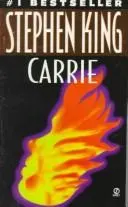
Books like Carrie
In each of these novels, a young woman stands at the center of a tightening circle while humiliation, fear, and thwarted desire gather enough force to become catastrophic.
If you liked Carrie, you’ll love these
Not lookalikes — kindred books. Each one shares something essential with Carrie, and we tell you exactly what.
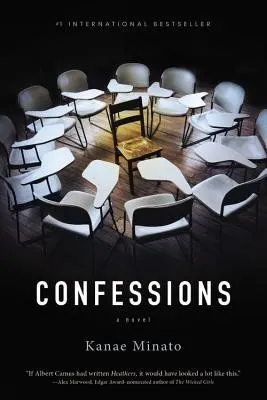
A teacher calmly tells her class that two students murdered her young daughter. From that opening accusation, Minato passes the story among competing voices, each confession exposing another layer of schoolyard cruelty, self-deception, and revenge.
Like Carrie, this Japanese Booksellers’ Award winner turns adolescence into a sealed pressure chamber. Its documentary structure makes disaster feel simultaneously inevitable and impossible to understand completely. Minato’s prose is cool where King’s is feverish, but that restraint only sharpens the horror: every revelation clicks into place with the precision of a trap.
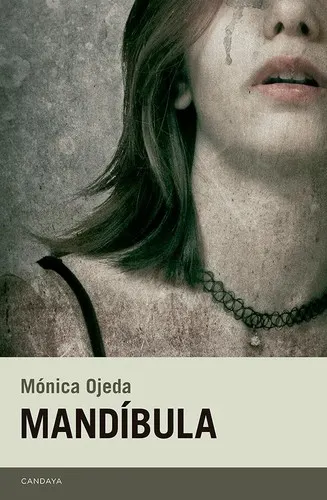
Ojeda enters the private mythology of teenage girls: invented gods, dangerous games, creepypasta, obsessive friendships, and the ecstatic terror of testing how far devotion can go. A group of students at an elite Catholic school draw their anxious teacher into this world, where authority and rebellion begin feeding each other.
Readers who loved Carrie’s fusion of religious dread, bodily fear, and female rage will recognize its emotional voltage, but Jawbone is stranger and more intoxicating. Sarah Booker’s translation preserves the novel’s headlong, incantatory language; its place as a National Book Award finalist reflects how successfully Ojeda turns adolescent obsession into serious, formally daring horror.
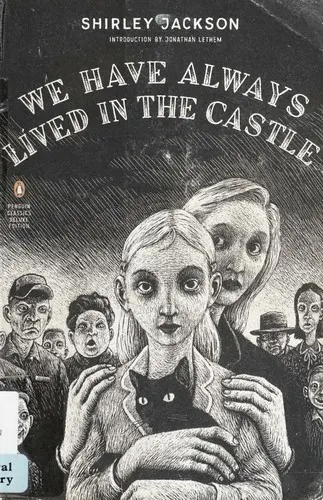
Merricat Blackwood lives with her sister Constance and elderly uncle in a great house shunned by the nearby village. Years earlier, most of the family died after arsenic was put in the sugar bowl. Merricat now protects the diminished household with buried objects, private spells, and a ferocious imagination.
Jackson’s masterpiece shares Carrie’s deepest source of horror: the collective appetite for identifying an outsider and punishing her. Merricat’s voice is funny, unsettling, wounded, and utterly singular; the villagers’ ordinary malice is more frightening than any supernatural threat. Few novels understand so well how persecution can create the very monstrosity it claims to fear.