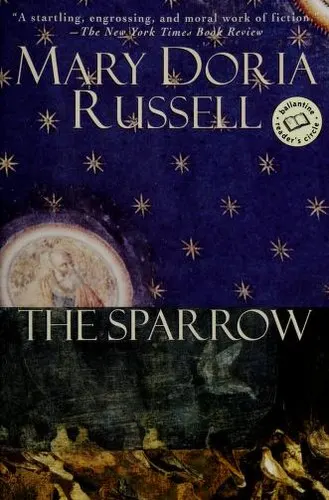
Books like The Sparrow
Awe darkens into grief; conviction meets an immense, unanswering universe; understanding another person becomes both a sacred hope and a dangerous illusion. These novels sustain that pressure without sacrificing intellectual rigor or emotional intimacy.
If you liked The Sparrow, you’ll love these
Not lookalikes — kindred books. Each one shares something essential with The Sparrow, and we tell you exactly what.
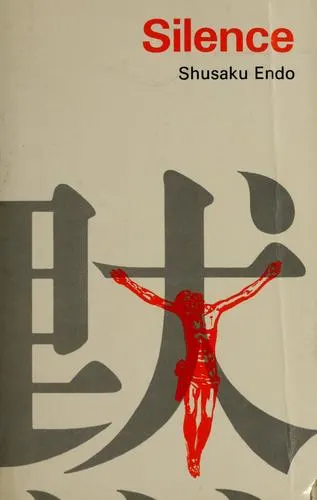
Endō’s masterpiece asks the question that torments Emilio Sandoz: what becomes of faith when suffering makes God’s purposes look not merely hidden but morally intolerable? A Portuguese Jesuit enters seventeenth-century Japan after hearing that his revered mentor has renounced Christianity. What follows is an excruciating examination of martyrdom, pride, compassion, and divine silence.
Like Russell, Endō refuses the easy equation of steadfastness with goodness. His priest must consider whether preserving his own spiritual integrity can become a form of cruelty toward others. Spare, psychologically exact, and cherished far beyond religious readership, Silence is one of the rare novels capable of leaving both belief and unbelief more complicated than it found them.
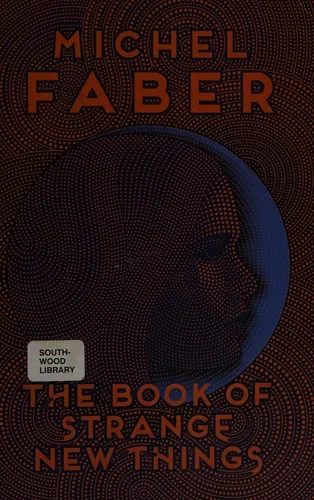
Peter Leigh, a minister selected to serve a distant extraterrestrial settlement, believes he has received the calling of his life. Yet Faber’s real subject is the cost of that calling: the wife left behind, the intimacy attenuated by distance, and the unsettling possibility that being needed by strangers can distract us from those who know us best.
Readers of The Sparrow will recognize the tenderness with which Faber treats sincere belief. He neither mocks faith nor protects it from scrutiny. Messages between Peter and his wife become the novel’s aching center, while his encounters with the planet’s inhabitants test how much any missionary—or lover—can truly understand another being. This is quiet, humane speculative fiction whose emotional force accumulates almost imperceptibly, then becomes devastating.
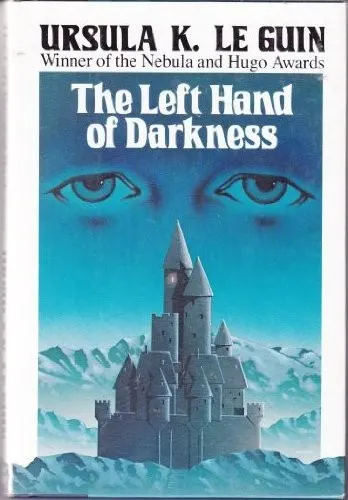
Le Guin’s celebrated Hugo- and Nebula-winning novel begins with an envoy attempting to bring the planet Gethen into a wider community of worlds. His greatest obstacle is not technology or hostility but interpretation: he repeatedly mistakes unfamiliar customs, motives, and forms of identity because he cannot see beyond the assumptions he brought with him.
That makes it a profound companion to The Sparrow. Both novels understand first contact as an ethical problem before it is an adventure, and both show how expertise can coexist with catastrophic blindness. Le Guin embeds myths, reports, and competing accounts within the narrative, giving Gethen the density of a culture rather than the convenience of a backdrop. Beneath the anthropology lies an unforgettable story about trust—earned slowly, across difference, after certainty has failed.