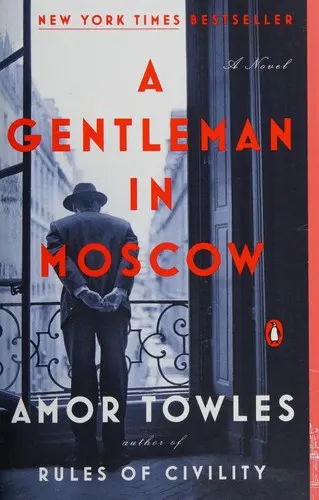
Books like A Gentleman in Moscow
Polished manners, dry wit, rooms made larger by memory, and the quiet heroism of remaining fully alive when circumstances narrow: these novels sustain that same bittersweet glow.
If you liked A Gentleman in Moscow, you’ll love these
Not lookalikes — kindred books. Each one shares something essential with A Gentleman in Moscow, and we tell you exactly what.
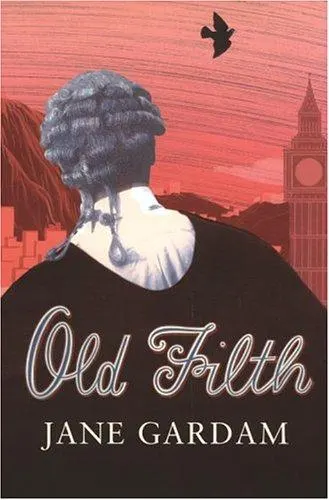
Sir Edward Feathers—known professionally as “Filth,” from “Failed in London, Try Hong Kong”—is a retired judge whose impeccable composure conceals an extraordinary accumulation of losses, loyalties, and private absurdities. Like Count Rostov, he is at once a splendid social creation and a man gradually revealed through the history he has endured.
Gardam writes with exhilarating lightness: a joke, an anecdote, or a remembered room can suddenly open onto heartbreak. The novel became the centerpiece of her celebrated Old Filth trilogy because readers wanted to see this life from every angle. For Towles admirers, its combination of urbane comedy, historical sweep, and deepening tenderness is nearly irresistible.
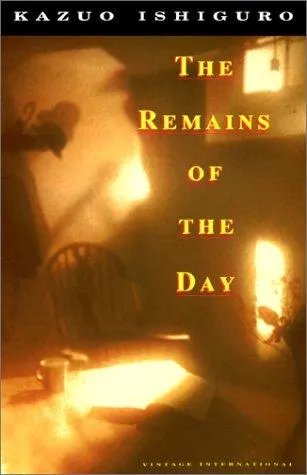
Stevens, an English butler taking a rare journey away from his employer’s house, shares the Count’s devotion to dignity, ritual, and precise conduct. But Ishiguro asks a more unsettling question: when does self-command become self-deception?
The pleasure lies in listening closely. Stevens’s exquisitely controlled narration allows emotion, history, and regret to emerge through omissions and tiny breaches of decorum. Winner of the Booker Prize and now a modern classic, the novel achieves what the best scenes in A Gentleman in Moscow do: it turns manners into moral drama. Its final pages have a quiet force few novels equal.
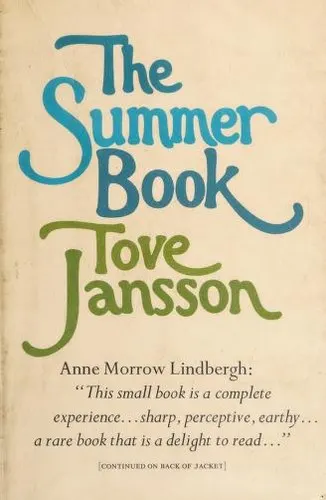
On a small Finnish island, an elderly artist and her six-year-old granddaughter spend a summer arguing, exploring, inventing stories, and observing the weather. Almost nothing is hurried, yet every rock pool, storm, and awkward conversation feels consequential.
Jansson shares Towles’s gift for making a restricted physical world feel inexhaustible. Her humor is drier and her prose more spare, but she has the same faith in curiosity, companionship, and daily rituals as defenses against grief. First published in 1972, The Summer Book has become a quietly beloved classic, passed from reader to reader like a private discovery. It is brief enough to finish quickly and capacious enough to remain with you for years.