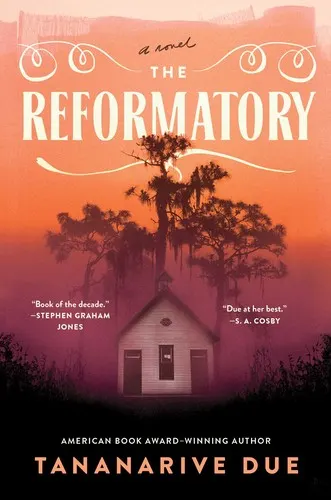
Books like The Reformatory
A locked door rattles in a house, a school, a prison; behind it, the dead keep pressing their names into the hands of children whom history expected to forget.
If you liked The Reformatory, you’ll love these
Not lookalikes — kindred books. Each one shares something essential with The Reformatory, and we tell you exactly what.
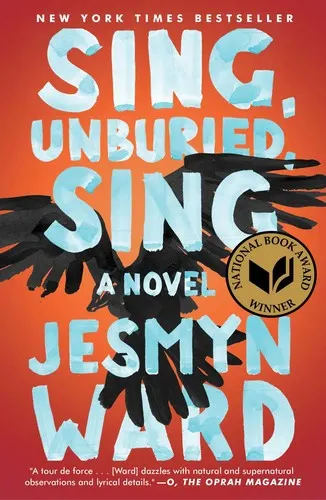
Ward gives ghosts the same terrible necessity Due does: they are not decorative scares but witnesses to racial violence that the living have failed to reckon with. Thirteen-year-old Jojo travels through Mississippi with his troubled mother to collect his father from prison, carrying responsibilities no child should bear. His tenderness toward his little sister recalls Robbie’s fierce devotion to Gloria, while the novel’s supernatural presences make inherited trauma immediate and bodily.
Winner of the National Book Award, this is a lyrical, bruising novel whose beauty never softens its anger. If The Reformatory moved you by letting love persist inside systems designed to crush it, Jojo’s story is indispensable.
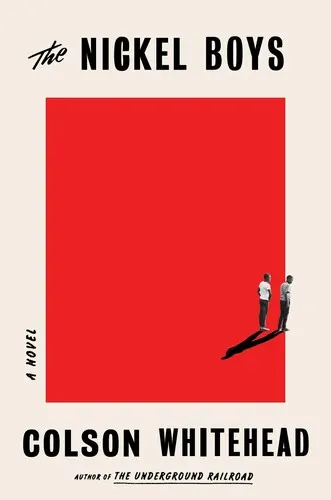
The obvious factual kinship—a Jim Crow-era Florida reform school modeled on the same history—is only the beginning. Whitehead and Due share a deeper purpose: restoring individuality to children whom institutions reduced to files, numbers, and buried evidence. Elwood Curtis enters Nickel Academy believing deeply in moral progress; there, his idealism collides with Turner’s hard-earned instinct for survival. Their friendship becomes a devastating argument about how to remain human under organized cruelty.
Whitehead’s Pulitzer Prize-winning novel is leaner and colder than The Reformatory, with every restrained sentence accumulating force. Reading it beside Due’s book reveals two radically different artistic acts of remembrance: one summons the dead as ghosts, the other makes the silence around them thunder.
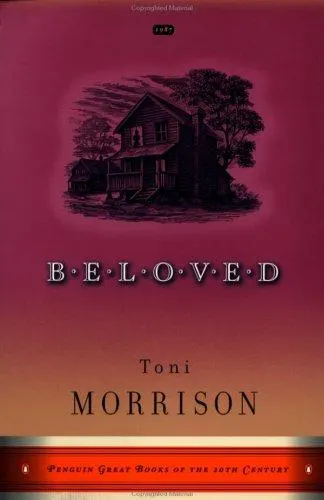
124 Bluestone Road is already haunted when Morrison opens the door. From there, she makes the supernatural inseparable from historical truth: horror is what happens when an atrocity is officially over but remains alive in bodies, families, rooms, and language. Like Due, Morrison understands that the dead return not simply for vengeance, but because remembrance is a moral obligation—and because love itself can become desperate, dangerous, and overwhelming under racist terror.
This Pulitzer Prize winner has become a cornerstone of American literature without losing its power to shock at the sentence level. Its shifting voices demand attention, then repay it with an emotional and imaginative experience few novels can equal. Anyone who admired The Reformatory’s fusion of ghost story, family love, and historical witness should not miss the book that transformed what such a fusion could accomplish.