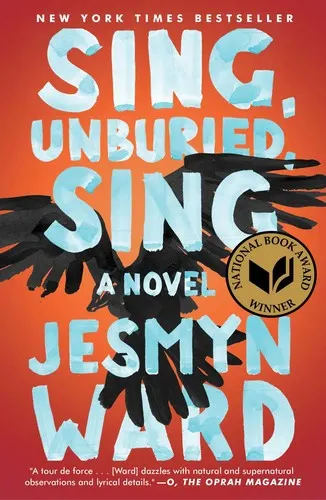
Books like Sing, Unburied, Sing
The air is heavy with heat, grief, family love, and the insistent presence of those history tried to silence. In these books, haunting is not an escape from reality but a way of seeing it whole.
If you liked Sing, Unburied, Sing, you’ll love these
Not lookalikes — kindred books. Each one shares something essential with Sing, Unburied, Sing, and we tell you exactly what.
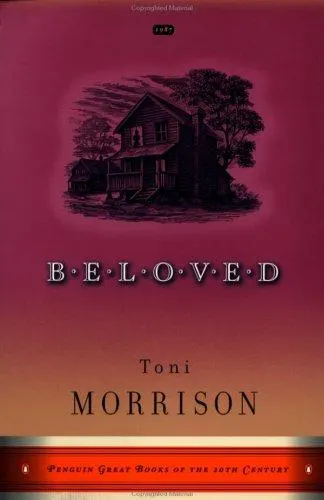
No novel is more essential for a reader moved by Ward’s conviction that the dead remain part of family life. Sethe, once enslaved, lives with her daughter in a house already seething with a baby’s ghost. Morrison makes that haunting intimate and bodily: history inhabits rooms, memories and acts of love that can become terrifying in their intensity.
Like Ward, Morrison moves among voices without simplifying anyone’s guilt or suffering. Her fragmented, incantatory prose asks what motherhood can demand, what survival costs and whether the past can be faced without being consumed by it. Its Pulitzer and canonical stature are deserved, but Beloved endures because it still feels dangerous—less like a monument than an encounter you cannot leave unchanged.
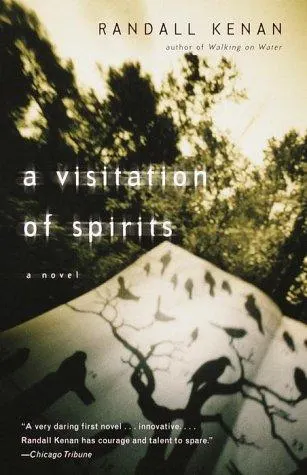
Horace Cross is a brilliant, tormented young Black man in rural North Carolina who turns to magic in the hope of transforming himself. Around him stands an entire community—preachers, teachers, relatives and watchful neighbors—bound together by faith and history yet often unable to make room for his queerness.
Kenan shares Ward’s gift for making a Southern community feel like a living chorus, capable of tenderness, comedy and devastating cruelty. The supernatural arises from Horace’s inner desperation, while the novel’s circling chronology shows how one person’s anguish implicates generations. Long cherished as a classic of Black queer literature, this is the underread masterpiece here: strange, sorrowful and formally audacious, with scenes that lodge in the mind like remembered dreams.
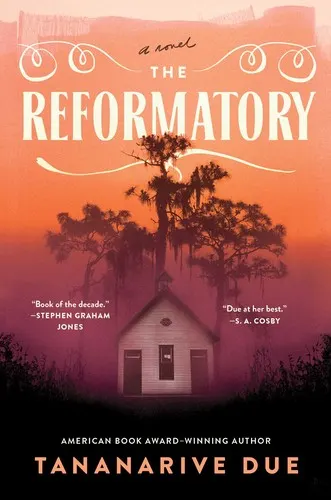
In Jim Crow Florida, twelve-year-old Robbie Stephens is sentenced to a brutal reform school after defending his sister. Robbie can see the school’s ghosts; his older sister Gloria, still outside its walls, refuses to stop fighting for him. That double perspective gives the novel both unbearable confinement and fierce forward motion.
Due’s ghosts, like Ward’s, are witnesses before they are frights. They preserve what institutions erase, while the bond between Robbie and Gloria keeps the horror rooted in love rather than spectacle. Drawing on real histories of abusive reform schools, Due turns meticulous research into a gripping, humane novel whose major horror and fantasy awards reflect both its craftsmanship and emotional force. It is a long book that reads with the urgency of a rescue attempt—and by the end, its lost children feel impossible to forget.