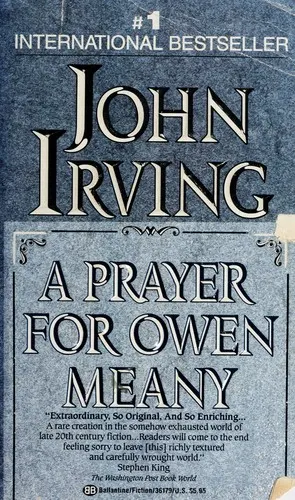
Books like A Prayer for Owen Meany
And it is that astonishing mixture of mischief, sorrow, faith, and long-laid narrative destiny that matters most—not merely Owen’s unforgettable strangeness.
If you liked A Prayer for Owen Meany, you’ll love these
Not lookalikes — kindred books. Each one shares something essential with A Prayer for Owen Meany, and we tell you exactly what.
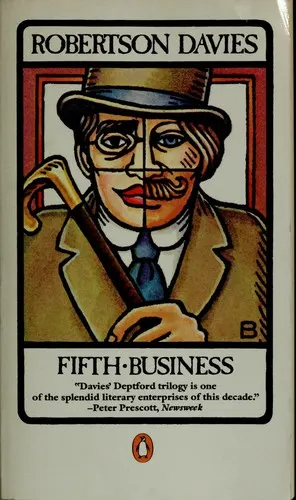
A single misdirected snowball in a Canadian village becomes the moral center of an entire life. Dunstan Ramsay narrates with the same retrospective urgency that drives John Wheelwright: he is trying to understand guilt, coincidence, and his connection to people who seem touched by something beyond ordinary explanation.
Davies makes theology, sainthood, magic, and small-town gossip coexist without forcing you to choose between belief and skepticism. Compact but extraordinarily resonant, this celebrated opening volume of the Deptford Trilogy has Owen Meany’s gift for making an eccentric life feel like part of a hidden design.
Two battered working-class families move into the same enormous house in Perth, and their clashing temperaments gradually create a boisterous, wounded community. Winton can pivot from slapstick to anguish in a paragraph, filling the novel with memorable oddballs while treating love, disability, failure, and spiritual longing with complete seriousness.
Winner of Australia’s Miles Franklin Award and beloved enough to be treated as a modern national classic, Cloudstreet offers the emotional abundance Irving readers crave: years passing, jokes deepening into grief, apparent accidents gathering meaning, and a family story expanding until it feels almost biblical.
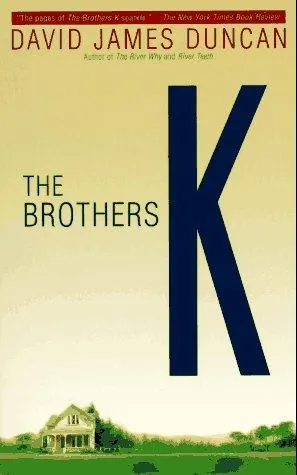
The Chance household is held together—and pulled apart—by baseball, fierce intelligence, religious conviction, and six radically different children. Duncan writes large: comic set pieces sprawl exuberantly, arguments about faith become genuinely dramatic, and private family wounds collide with the upheavals of 1960s America.
What makes this novel an especially strong companion to Owen Meany is its refusal to mock belief or excuse its cruelties. It understands both the comfort of faith and the damage done in its name, while preserving an enormous tenderness for its characters. The Brothers K has inspired unusually devoted readers because it feels less like a story consumed than a family one has somehow lived with—and leaving the Chances unread means missing one of the richest American family sagas of its generation.