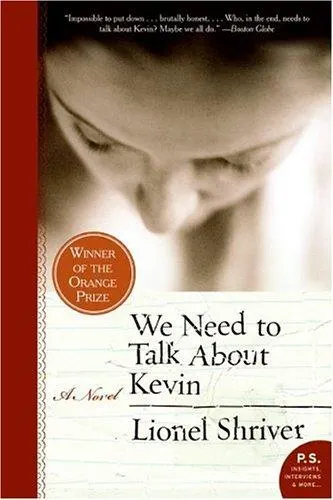
Books like We Need to Talk About Kevin
Kevin’s deepest horror is Eva’s suspicion that motherhood has not revealed her better self but exposed truths about love, resentment, and responsibility that no parent is supposed to admit.
If you liked We Need to Talk About Kevin, you’ll love these
Not lookalikes — kindred books. Each one shares something essential with We Need to Talk About Kevin, and we tell you exactly what.
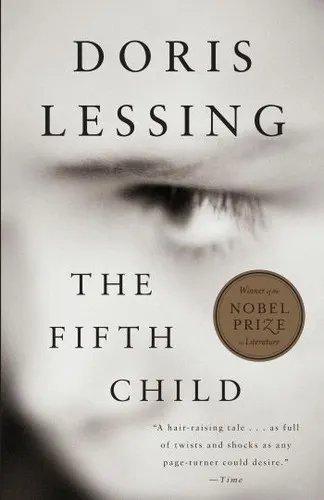
Harriet and David build their life around an almost defiantly wholesome ideal of family happiness. Then their fifth child, Ben, arrives, and the household’s confidence in its own goodness begins to fracture.
Like Shriver, Lessing refuses to settle the comforting nature-versus-nurture question. Her real subject is the moral panic produced by a child whom a mother cannot experience as innocent—and the terrible pressure placed on her to love without reservation. Lessing’s compressed, pitiless novel turns domestic rooms into places of estrangement and makes every proposed explanation feel inadequate. Written by a future Nobel laureate at her most unnerving, it delivers in under 150 pages the kind of irresolvable unease that makes Kevin so difficult to put behind you.

If Eva’s fierce, self-justifying intelligence was as compelling as the catastrophe she recounts, Barbara Covett will seize you immediately. A lonely schoolteacher begins recording the scandal surrounding a colleague, presenting herself as confidante, witness, and indispensable friend. Her account soon becomes a masterclass in how narration can disguise appetite as concern.
Heller shares Shriver’s gift for an acid sentence and for making intimacy feel prosecutorial. Barbara is observant enough to expose everyone around her and compromised enough that every observation rebounds on her. Shortlisted for the Booker Prize, this is one of the sharpest modern novels about complicity, possessiveness, and the stories clever people tell to preserve their innocence. You will read it quickly, then distrust every word you enjoyed.

During a solitary seaside holiday, Leda watches a young mother and daughter with an attention that gradually draws her back toward her own history as a parent. What emerges is not a sentimental reckoning but a ruthless examination of maternal desire: the wish to nurture, the wish to escape, and the shame of discovering that both can be genuine.
Where Shriver is expansive and argumentative, Ferrante is concentrated and intimate. She strips away the public language of sacrifice until motherhood appears as a conflict between one person’s freedom and another’s need. The result is brief but psychologically enormous, charged with the candor that has earned Ferrante such devoted readers. For anyone who valued Eva’s forbidden honesty more than easy answers about Kevin, this novel is essential.