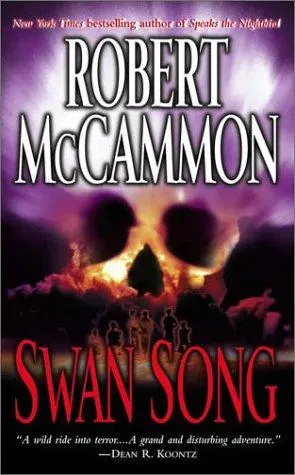
Books like Swan Song
A frail light crosses a devastated America, passed from hand to hand while monsters—human and otherwise—gather beyond its glow. These novels share McCammon’s conviction that apocalypse reveals not just how people die, but what makes them worth saving.
If you liked Swan Song, you’ll love these
Not lookalikes — kindred books. Each one shares something essential with Swan Song, and we tell you exactly what.
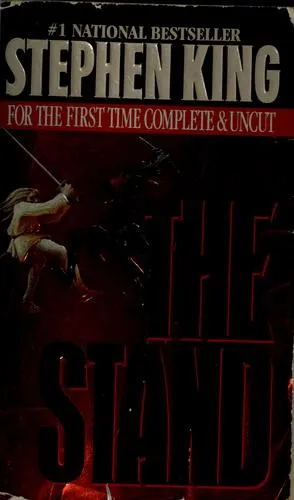
The closest companion to Swan Song is also one of horror’s defining epics. After a weaponized plague empties America, King follows scattered survivors drawn toward opposing centers of power—one founded on fellowship, the other ruled by the mesmerizing Randall Flagg.
What matters is the enormous emotional investment King makes in ordinary people. Friendships, jealousies, private failures, and small acts of courage carry as much weight as the mythic struggle gathering around them. Like McCammon, he makes civilization’s end horrifying, expansive, and strangely intimate. The Stand earned its enduring devotion because readers do not merely witness its ruined world; they feel they have crossed it with the characters.
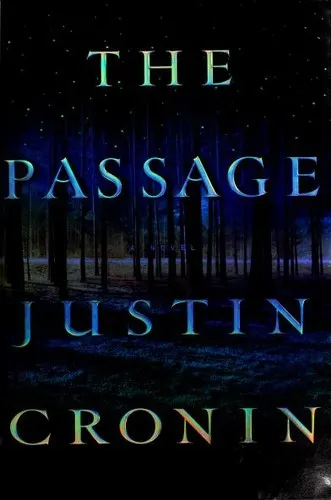
A secret experiment produces something far worse than its architects imagined, while an abandoned girl named Amy becomes the still point around which an immense catastrophe turns. From that opening, Justin Cronin builds a centuries-spanning saga of terror, survival, and stubborn human attachment.
The Passage matches Swan Song’s rare combination of blockbuster momentum and heartfelt characterization. Its creatures are frightening, but Cronin is even more interested in the fragile communities built beneath their shadow: the rules people inherit, the sacrifices they misunderstand, and the hope they preserve without knowing why. A literary novelist before turning to speculative epic, Cronin gives the book unusual emotional and stylistic weight. It became the opening volume of a beloved trilogy, but its first installment already delivers the vastness and ache of a complete legend.
In Peng Shepherd’s startling debut, people begin losing their shadows—and then their memories. As identity dissolves, forgotten things alter reality itself, making the apocalypse feel like a dark fairy tale being invented beneath the reader’s feet.
A Swan Song reader will recognize the deeper kinship: destruction becomes uncanny and almost sacred, love must survive radical transformation, and the fate of the world seems bound to vulnerable people carrying inexplicable gifts. Yet Shepherd’s imagery is entirely her own—beautiful, eerie, and increasingly haunting. The Book of M trades some of McCammon’s brutality for emotional strangeness, then lands its blows with devastating precision. It is the kind of apocalypse that continues changing shape in memory after the final page.