Books like Revival
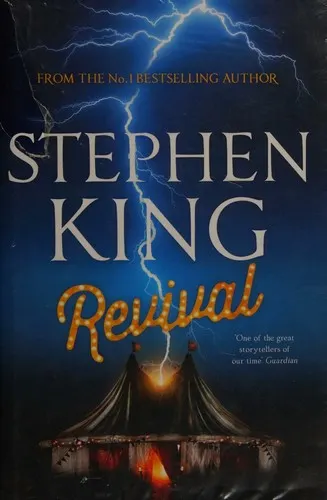
Six-year-old Jamie is arranging plastic soldiers in the dirt when a new minister’s shadow falls across his battlefield—and, in a sense, across his whole life. These novels likewise bind intimate suffering to revelations vast enough to unmake reality.
If you liked Revival, you’ll love these
Not lookalikes — kindred books. Each one shares something essential with Revival, and we tell you exactly what.
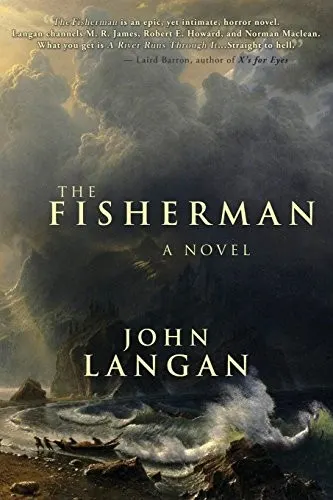
Two bereaved men find companionship in fishing, until a trip into the Catskills draws them toward a story much older and stranger than their own. Like Revival, The Fisherman earns its cosmic horror through grief: the impossible matters because ordinary loss has already made its characters vulnerable to impossible hope.
Langan’s stately, story-within-a-story structure steadily enlarges the book’s scale without sacrificing its bruised humanity. Winner of the Bram Stoker Award and now a modern horror touchstone, it delivers the rare finale whose colossal imagery matches its emotional devastation. If Revival’s last movement left you appalled, exhilarated, and unable to stop thinking about it, The Fisherman is essential.

A grieving father drives across Argentina with his young son, frightened not only by what may pursue them but by what the boy may inherit. From that tense opening, Enriquez builds an immense family novel about love under pressure from occult power, political brutality, and an otherworldly darkness that cannot be made safe or sentimental.
What connects it to Revival is the collision between a fully lived human history and something pitiless beyond human comprehension. Enriquez makes tenderness feel precarious and supernatural knowledge feel contaminating. Winner of the Herralde Prize and widely hailed as a major work of contemporary horror, this is a ferocious, emotionally consuming novel whose darkness has genuine weight.
The Croning begins by warping a familiar fairy tale into something ancient and malign, then turns to Don Miller, an aging geologist troubled by absences in his memory and odd shadows around his long marriage. Barron’s masterstroke is to make cosmic horror operate through time itself: decades of domestic life acquire new, terrible meanings as Don begins noticing what he has failed—or been made unable—to see.
Readers who loved how Charles Jacobs becomes a recurring fault line through Jamie Morton’s life will recognize the dreadful cumulative force here. Barron’s muscular prose, insinuating clues, and refusal of comforting metaphysics have made The Croning a cult cornerstone of twenty-first-century cosmic horror. Its revelations do not merely frighten; they retroactively poison everything that came before.