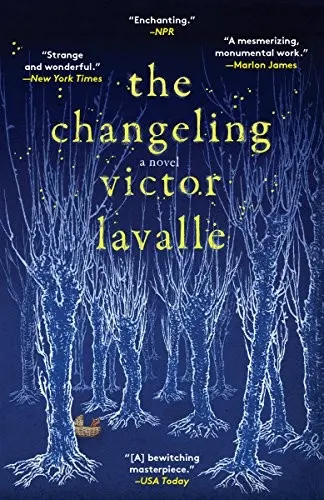
Books like The Changeling
Love, under enchantment. These novels share LaValle’s gift for turning devotion—especially familial devotion—into a doorway through which folklore, social violence, and genuine terror enter ordinary life.
If you liked The Changeling, you’ll love these
Not lookalikes — kindred books. Each one shares something essential with The Changeling, and we tell you exactly what.
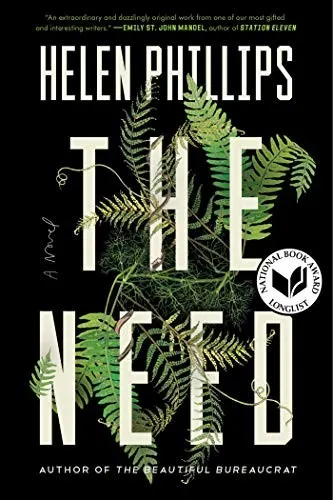
Molly is home with her two small children when she hears an intruder. From that domestic alarm, Phillips builds a disorienting novel about the divided self of motherhood: tenderness and resentment, vigilance and exhaustion, the person a parent was and the person the children require.
Like The Changeling, The Need treats parental fear not as sentimental motivation but as an unstable reality that can remake the world. Its uncanny turns are sharpened by concrete details—pumping breast milk, interrupted sleep, the relentless demands of toddlers—and by flashes of bleak comedy. Longlisted for the National Book Award, it is compact, fiercely intelligent, and nearly impossible to put down.
After illness shatters his family’s life, Mario accepts a dangerous job that carries him into a borderland where criminal violence, racism, poverty, and the supernatural become inseparable. Iglesias understands, as LaValle does, that a grieving father’s love can be both his remaining humanity and the force driving him toward catastrophe.
This is the harshest recommendation here: bloody, furious, and morally claustrophobic. Yet its horrors never feel ornamental. They grow from systems that already treat certain lives as expendable, while the prose moves between English and Spanish with tremendous energy. Winner of both the Bram Stoker and Shirley Jackson awards, The Devil Takes You Home is a major work of contemporary horror—and Mario’s descent is difficult to shake.
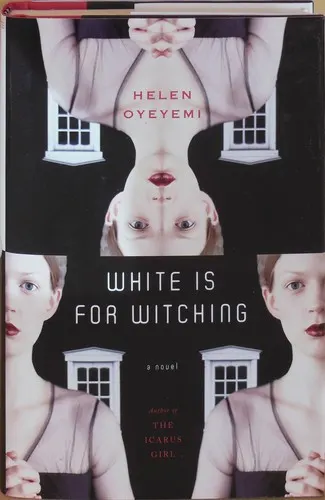
In a strange house in Dover, Miranda Silver suffers from grief and an appetite for things that are not food. The house itself watches, remembers, and speaks; family history hardens into architecture; xenophobia becomes another kind of haunting.
Oyeyemi shares LaValle’s instinct for recovering the menace in fairy tales while refusing their comforting moral simplicity. Her shifting narrators make the novel feel bewitched, but beneath the formal daring lies a precise study of inheritance, race, hunger, and the damage families conceal inside cherished stories. Winner of the Somerset Maugham Award, White Is for Witching has earned devoted readers because it does what the finest literary horror does: it changes shape in memory after the last page.