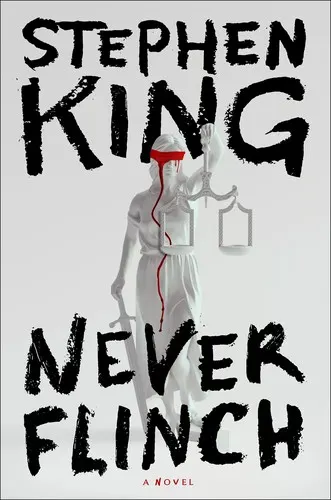
Books like Never Flinch
Moral fury, stalking dread, mordant humor, and the unnerving sense that damaged people may be the only ones capable of stopping something worse run through these three novels.
If you liked Never Flinch, you’ll love these
Not lookalikes — kindred books. Each one shares something essential with Never Flinch, and we tell you exactly what.
A woman publishes a memoir about the unidentified killer who murdered her family—and the killer himself begins reading it. That ingenious structure creates the same predator-and-pursuer pressure that powers Never Flinch, while constantly shifting control between survivor and murderer.
Howard turns reading itself into suspense: every disclosure threatens the killer’s anonymity, and every page reveals how thoroughly he has misunderstood his own importance. Lean, cunning, and almost impossible to put down, The Nothing Man offers both a first-rate manhunt and a bracing refusal to romanticize serial killers.
Detroit detective Gabi Versado is called to a grotesque crime scene: the body of a boy has been fused to that of a deer. From there, Beukes follows cops, teenagers, artists, journalists, and a murderer whose private logic is beginning to infect the world around him.
Like King at his best, Beukes makes the supernatural feel less like an escape from reality than a pressure building inside it. The procedural details are convincing, the ensemble is sharply alive, and the horror arrives through gradual distortions rather than easy shocks. Broken Monsters has earned a devoted following because it does something rare: it remains a gripping detective novel even as it becomes stranger, darker, and harder to classify.
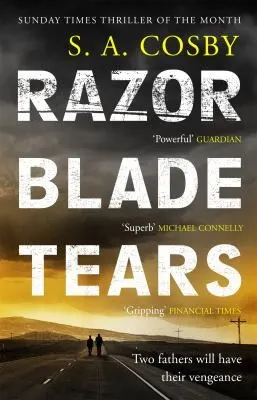
Ike and Buddy Lee are two ex-cons—and deeply imperfect fathers—whose married sons have been murdered. Their decision to find the killers launches a ferocious revenge story, but Cosby’s real subject is the cost of realizing too late that love was compromised by pride and prejudice.
A Never Flinch reader will recognize the combination of righteous anger, bruised tenderness, sudden violence, and bleakly funny companionship. Cosby gives even his most explosive scenes emotional consequences; nobody walks through bloodshed unchanged. Razorblade Tears helped confirm him as one of contemporary crime fiction’s essential voices, and its final power comes not from vengeance alone but from the painful possibility of becoming better than you were.