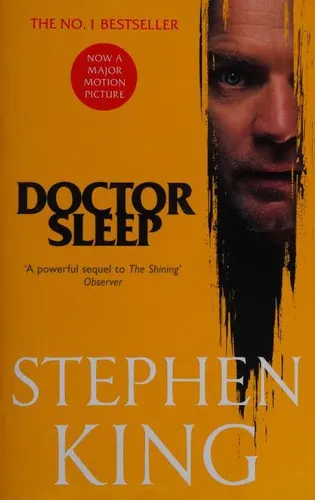
Books like Doctor Sleep
Years later, the book’s deepest pull is Dan Torrance’s hard-won decency: the moving possibility that trauma and addiction need not determine what a person becomes. These novels likewise make supernatural horror inseparable from recovery, responsibility, and the protection people offer one another.
If you liked Doctor Sleep, you’ll love these
Not lookalikes — kindred books. Each one shares something essential with Doctor Sleep, and we tell you exactly what.
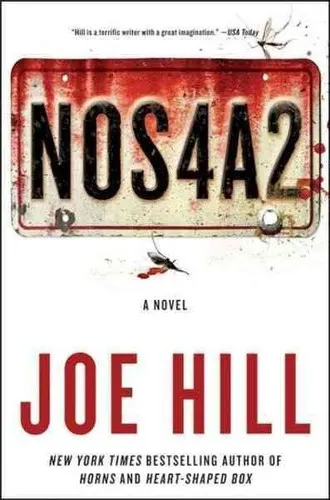
Vic McQueen can find lost things by riding through an impossible covered bridge. Charlie Manx uses a similarly uncanny road to carry children somewhere far more sinister. That psychic opposition recalls Doctor Sleep, but the stronger kinship lies in Vic: a damaged, difficult adult forced to decide whether her gift is an excuse for self-destruction or a reason to act.
Hill gives the story King-sized momentum without sacrificing emotional consequence. Its villain is memorably grotesque, its supernatural geography feels instantly legendary, and its battered heroine earns every scrap of courage. This is modern maximalist horror at its most exhilarating.
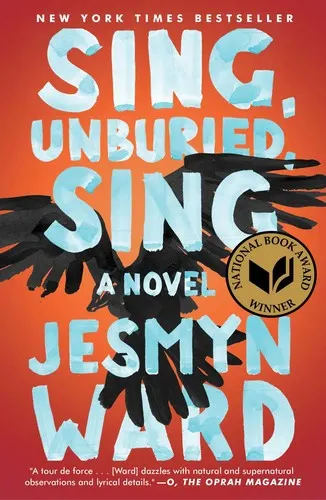
This National Book Award winner is not conventional horror, yet it reaches the same nerve as Doctor Sleep: children seeing what compromised adults cannot, addiction corroding a family, and the dead remaining urgently present.
Thirteen-year-old Jojo travels across Mississippi with his neglectful, drug-dependent mother, Leonie, whose grief and need shape every mile. Ward refuses easy divisions between monsters and victims; her characters can wound others terribly while still inspiring compassion. Her prose is incantatory, but the novel’s power is brutally concrete—hunger, heat, shame, tenderness. Readers moved by Dan Torrance’s struggle to turn inherited damage into care will find this devastating and indispensable.
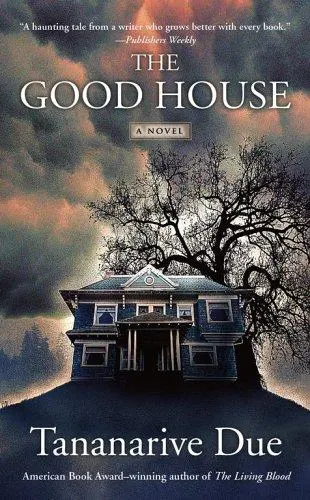
Angela Toussaint returns to her family’s old Washington home two years after her son’s death, determined to understand what happened there. What begins in grief expands into a confrontation with buried family history, spiritual danger, and a community whose relationships matter as much as the haunting.
Due, now rightly regarded as an essential voice in contemporary horror, shares King’s gift for making evil frightening because ordinary people are so vividly worth saving. The supernatural force has rules and weight, but the novel’s real authority comes from Angela’s sorrow, intelligence, and refusal to surrender those she loves. Like Doctor Sleep, it understands that defeating horror means facing the pain one has spent years avoiding.