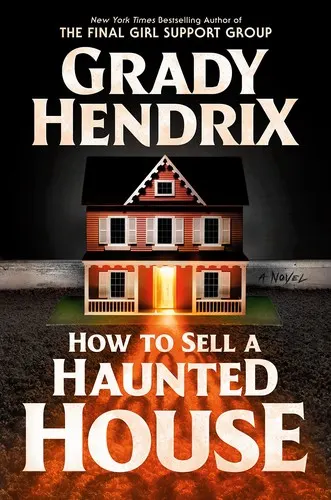
Books like How to Sell a Haunted House
When a family hands you its cherished possessions, how do you tell an inheritance from an infestation? These novels share Hendrix’s gift for turning domestic absurdity, old resentment, and genuine grief into horror that bites deeper than its monsters.
If you liked How to Sell a Haunted House, you’ll love these
Not lookalikes — kindred books. Each one shares something essential with How to Sell a Haunted House, and we tell you exactly what.
Margaret’s beautiful Victorian home becomes violently haunted every September, but she responds with the brisk practicality of someone coping with an inconvenient plumbing problem. That deadpan normalization gives Orlando’s acclaimed debut the same marvelous tonal instability as Hendrix: gruesome apparitions can be hilarious until, suddenly, the joke exposes something painful.
Like Louise in How to Sell a Haunted House, Margaret has built elaborate survival habits around truths her family would rather not confront. The supernatural rules are inventive, but the novel’s real force comes from its understanding of denial—how it protects people, traps them, and can look disconcertingly like devotion. Few haunted-house novels make you laugh so freely while tightening the emotional screws this hard.
Vesper escaped her rigid religious family years ago, yet an invitation to a family wedding pulls her back toward the people who made her feel both unwanted and inescapably theirs. Harrison writes with a barbed, conversational wit that makes every strained reunion and passive-aggressive exchange crackle before the horror has even shown its teeth.
The kinship with Hendrix lies in the humiliating emotional truth beneath the macabre spectacle: adulthood does not erase the childish wish that your family might finally choose you. Harrison’s devoted readership comes for her sharp, funny heroines and stays because she never treats their loneliness as a punchline. Black Sheep is fast, nasty, and gleefully outrageous—but its deepest wounds are painfully ordinary.
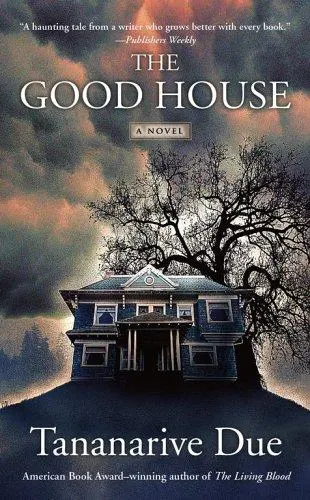
After a devastating loss, Angela Toussaint returns to the Washington house inherited from her formidable grandmother and begins investigating the darkness attached to her family. Due gives that darkness generations of weight: this is horror as family history, where love, secrecy, guilt, and spiritual inheritance become impossible to separate.
Where Hendrix often uses comedy to approach grief, Due—one of the defining voices in contemporary Black horror—works on a richer, more solemn scale. Yet both understand that supernatural evil is frightening because it exploits the private fractures already present between parents, children, and siblings. The Good House is immersive, emotionally bruising, and profoundly humane: the kind of horror epic that makes a family’s survival matter as much as the mystery haunting it.