Author
Books like Frank Herbert
6 books we recommend to Frank Herbert readers, drawn from Dune and The White Plague — each with the reason why.
If you loved Dune
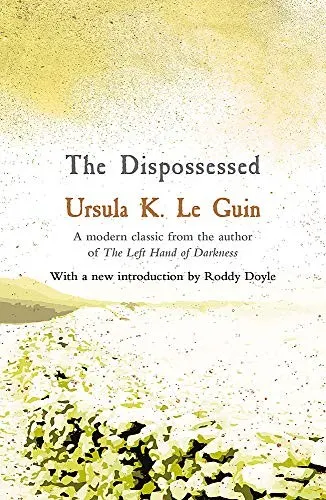
Le Guin shares Herbert’s fascination with societies built by material limits. Physicist Shevek moves between an austere anarchist moon and its wealthy capitalist neighbor, and neither world is reduced to a slogan: customs, architecture, sex, work, and language all reveal the pressures beneath its ideals.
Winner of both the Hugo and Nebula awards, The Dispossessed offers the intellectual exhilaration of Dune without imitating its pageantry. It makes political theory intimate, showing how institutions colonize the imagination—and how difficult genuine freedom is to think.
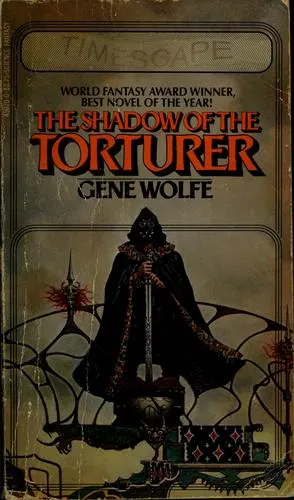
If you loved learning Arrakis by interpreting fragments—rituals, epigraphs, loaded conversations—Wolfe offers an even more demanding pleasure. Severian, an apprentice in an ancient guild, narrates his exile through a far-future world whose true nature is never conveniently explained. Every archaic word and apparent digression may be evidence.
This opening volume of The Book of the New Sun belongs to one of speculative fiction’s most revered works, famous for changing shape on rereading. Its concerns with memory, religion, cruelty, and manufactured saviors make it a profound companion to Dune. Missing it means missing perhaps science fiction’s richest invitation to read like a conspirator.
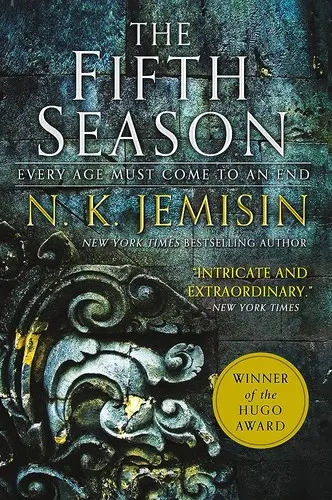
Jemisin understands, as Herbert did, that environment is not scenery: it determines hierarchy, education, prejudice, technology, and the imaginable future. Her continent is repeatedly broken by seismic catastrophe, while people able to control geological forces are both indispensable and brutally constrained.
The novel’s unusual structure is not decoration; it makes the reader experience a fractured world from within. Urgent, furious, and emotionally immediate, The Fifth Season began the only trilogy whose every volume won the Hugo Award for Best Novel. Read it for world-building with tectonic force—and for the moment its seemingly separate pressures lock together.
If you loved The White Plague
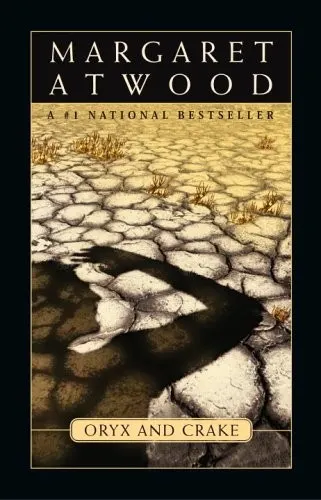
Atwood begins with Snowman, apparently the last ordinary human, living among the strange remnants of a biologically transformed world. From there, she traces his friendship with the brilliant, unnervingly detached Crake and the elusive Oryx.
Like Herbert, Atwood makes apocalypse personal before making it planetary. Scientific genius, wounded masculinity, desire, and contempt for humanity become inseparable; biotechnology is frightening because its creator understands both its mechanisms and the weaknesses of the systems meant to restrain it. Atwood’s Booker-shortlisted novel is one of modern speculative fiction’s defining works—caustically funny, emotionally poisonous, and so plausible in its corporate science that it has only grown more disturbing.
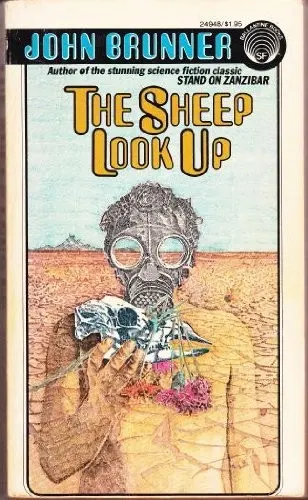
For the institutional panic and systems thinking of The White Plague, read Brunner’s ecological nightmare. America is choking on poisoned air, contaminated food, and chemical waste while officials, corporations, activists, and ordinary families struggle to interpret—or exploit—the accumulating evidence.
Brunner tells the story through a barrage of advertisements, headlines, reports, slogans, and intersecting lives. The result feels less like watching one disaster than seeing an entire civilization manufacture disaster through thousands of defensible decisions. An enduring landmark of environmental science fiction, it has Herbert’s appetite for technical detail and political argument, but an even more savage understanding of collective denial.
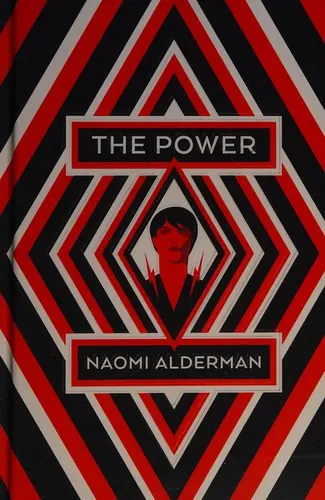
Herbert’s plague turns biological sex into the organizing fact of world politics. Alderman performs an equally provocative experiment: teenage girls begin developing the ability to deliver powerful electrical shocks, and the old assumptions about vulnerability and authority immediately start to shift.
The Power is not a comforting fantasy of female ascendancy. It asks whether violence belongs to one sex or whether power itself teaches cruelty, then pursues that question through intimate relationships, religion, media, and government. Winner of the Women’s Prize for Fiction, it became a fiercely debated novel because its reversal keeps exposing prejudices the reader may not know they hold. Anyone fascinated—or troubled—by Herbert’s treatment of gender will find Alderman’s book an essential counterpoint.