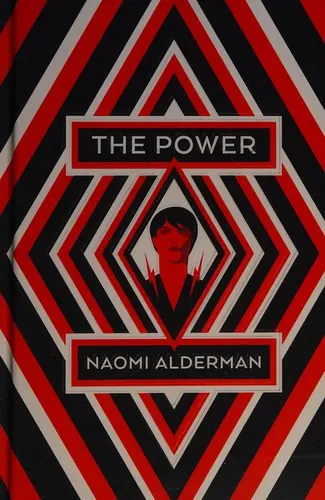
Books like The Power
Chain-Gang All-Stars makes domination a mass-market spectacle; The Carhullan Army finds it in the seductive discipline of resistance. Along with The Core of the Sun, these novels share The Power’s sharpest insight: changing who holds power does not change what power can do.
If you liked The Power, you’ll love these
Not lookalikes — kindred books. Each one shares something essential with The Power, and we tell you exactly what.
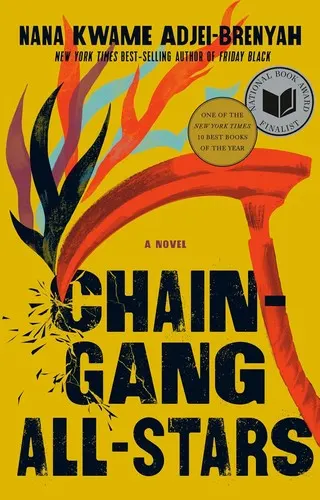
In a near-future America, incarcerated people fight to the death for televised entertainment and the possibility of freedom. Adjei-Brenyah gives the premise the momentum of a blood sport, then implicates everyone around it: corporations, viewers, protesters and readers.
Like The Power, this National Book Award finalist moves among competing perspectives and uses invented documents and chilling factual footnotes to show violence becoming ordinary through institutions and consumer appetite. Its central relationship also gives the novel an emotional tenderness that makes its brutality land harder. This is speculative fiction as both page-turner and moral trap: exhilarating, furious and impossible to observe innocently.
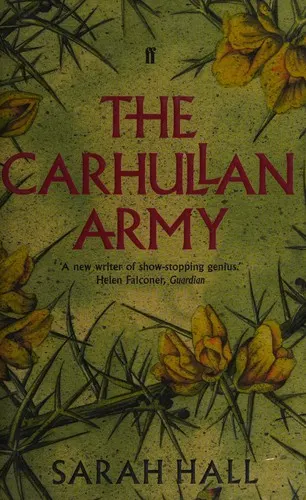
A woman escapes an authoritarian Britain and seeks an isolated female community led by the formidable Jackie Nixon. What she finds is neither a comforting refuge nor a simple feminist corrective, but a society with its own hierarchy, demands and capacity for coercion.
Hall’s lean, ferocious novel presses directly on the question that makes The Power so unsettling: can the oppressed acquire force without reproducing domination? Told as a prisoner’s testimony, it has the urgency of contraband and the physical intensity of a survival story. Winner of the John Llewellyn Rhys Prize, it has earned lasting devotion as a feminist dystopia unwilling to flatter either authority or rebellion.
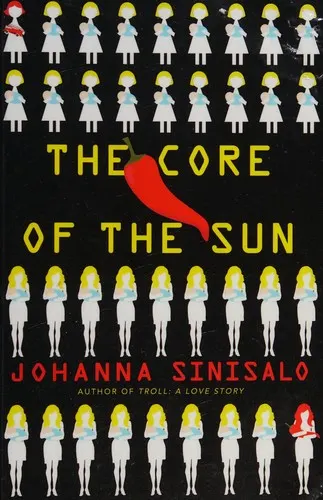
Sinisalo imagines a Finland where the state has engineered women into approved types: docile, desirable “eloi” and the socially useless women excluded from reproduction. Against this grotesquely cheerful order stands Vanna, concealing both her forbidden intelligence and her addiction to fiercely hot chilies.
The kinship with The Power lies in the audacity of the world-building. Sinisalo exposes gender as something manufactured through education, bureaucracy, medicine and appetite, interspersing the story with propaganda, definitions and pseudo-scientific records. Yet the novel is stranger and more mischievous than a conventional dystopia—part black comedy, part contraband thriller, part ecstatic exploration of bodily freedom. Its Prometheus Award reflects how effectively it turns a bizarre premise into a precise satire of control.