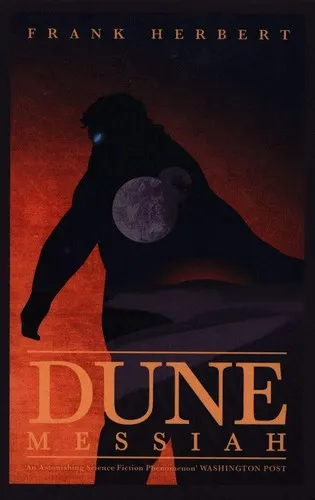
Books like Dune Messiah
—because the real sting of Dune Messiah is watching power turn foresight, devotion, and even good intentions into instruments of captivity. These three novels share that tragic intelligence: each asks what remains of a person once history has made them useful.
If you liked Dune Messiah, you’ll love these
Not lookalikes — kindred books. Each one shares something essential with Dune Messiah, and we tell you exactly what.
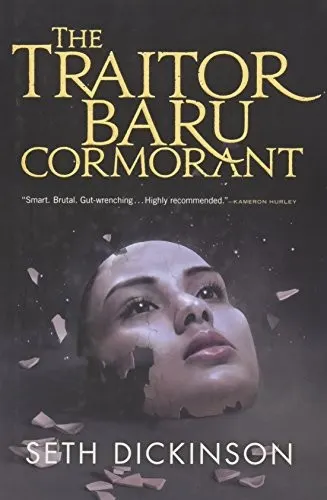
Baru’s homeland is absorbed by an empire that conquers as readily through schools, accounting, and social policy as through armies. She enters its service intending to master its machinery—and eventually destroy it from within.
Like Dune Messiah, this fiercely admired political fantasy treats strategy as a form of self-mutilation. Every brilliant calculation narrows Baru’s freedom; every attempt to use the system risks making her indistinguishable from it. Dickinson makes taxation, trade, and administrative control feel as dangerous as assassination, while keeping the emotional cost brutally intimate. If Paul’s entrapment by his own designs fascinated you, Baru’s war between purpose and personhood is indispensable.
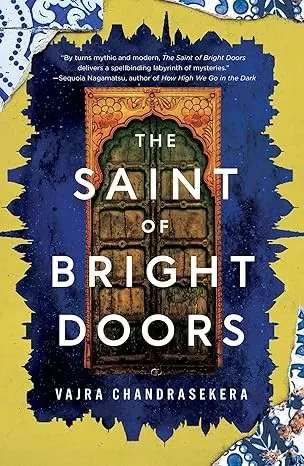
Fetter has been raised to assassinate his father, a celebrated spiritual leader who may be a messiah and may be something worse. Instead, he drifts into the vast city of Luriat, where miracles coexist with immigration offices, revolutionary groups, haunted streets, and mysterious doors no one can open.
This Nebula Award winner understands, as Herbert did, that religion becomes most unsettling when it hardens into public infrastructure. Chandrasekera writes about sainthood, inherited destiny, and political violence with mordant humor and startling imaginative freedom. The result is stranger and more contemporary than Dune Messiah, but equally suspicious of heroic narratives—and equally alert to the lives crushed beneath them.
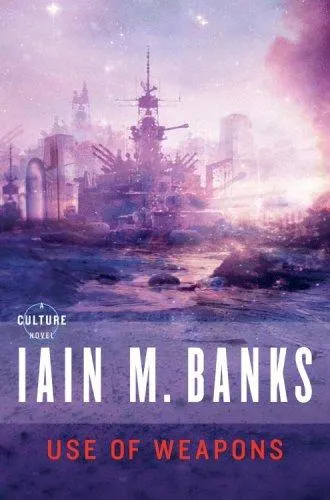
Cheradenine Zakalwe is a gifted mercenary employed by the Culture, a utopian civilization that prefers to reshape less enlightened societies through deniable intervention. He wins wars for humane patrons, yet the novel keeps asking whether cleaner motives can ever cleanse the methods used on their behalf.
Banks builds the story in two interlocking chronologies, one moving forward and the other backward, turning structure itself into a moral investigation. Like Dune Messiah, it is about a formidable man discovering that being history’s chosen instrument is not the same as controlling history. Often regarded as a high point of the Culture series, Use of Weapons delivers dazzling strategy, dark comedy, and a reckoning whose force comes from how rigorously the novel has taught you to question victory.