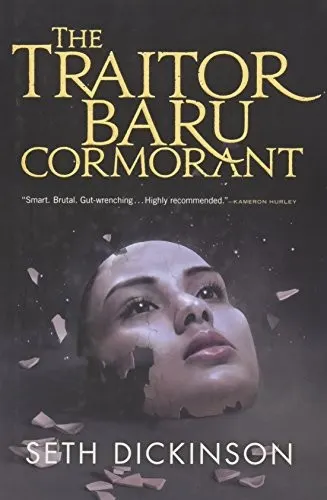
Books like The Traitor Baru Cormorant
Every triumph tightens the trap: intelligence becomes complicity, love becomes leverage, and the exhilarating mastery of power leaves a bruise that lasts long after the final page. These novels reproduce that rare mixture of strategic pleasure, divided loyalties, and terrible emotional cost.
If you liked The Traitor Baru Cormorant, you’ll love these
Not lookalikes — kindred books. Each one shares something essential with The Traitor Baru Cormorant, and we tell you exactly what.
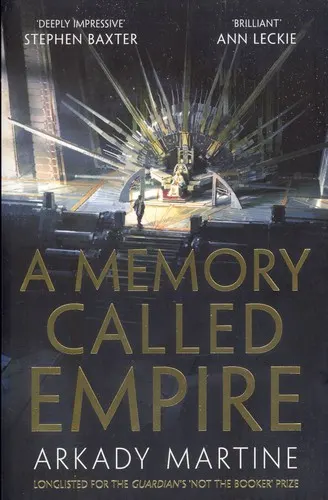
Mahit Dzmare arrives as ambassador to an empire whose poetry, manners, and history she has adored since childhood—even though that empire threatens to absorb her home. Her predecessor is dead, the inherited memories meant to guide her are malfunctioning, and every elegant conversation may be an attack.
Like Baru, Mahit must resist a civilization she cannot honestly claim to despise. Martine understands colonial power not merely as conquest but as glamour: the humiliating desire to speak perfectly, catch every allusion, and be recognized by the people who consider you provincial. The political maneuvering is conducted through language and etiquette rather than ledgers, but it creates the same delicious pressure of watching a brilliant outsider calculate what parts of herself she can afford to reveal. Winner of the Hugo Award for Best Novel, this is one of speculative fiction’s sharpest examinations of cultural seduction—and the price of loving what may destroy you.
Basso is a banker, statesman, and virtuoso manipulator who treats government as a machine whose gears are debt, law, trade, and human appetite. The novel announces his ruin at the outset; its suspense lies in discovering how someone so frighteningly competent could ever lose control.
This is the recommendation for readers who thrilled to Baru turning economics into a weapon. Parker makes currency policy, military procurement, and constitutional maneuvering feel as tense as assassination. Yet Basso’s greatest vulnerability is not ignorance but the confidence produced by being right too often. Parker, renowned among fantasy readers for unsentimental novels about institutions and unintended consequences, keeps forcing ingenuity against the stubborn irrationality of people. The result is a cold, funny, intricately engineered tragedy: once its mechanisms begin clicking into place, looking away becomes impossible.
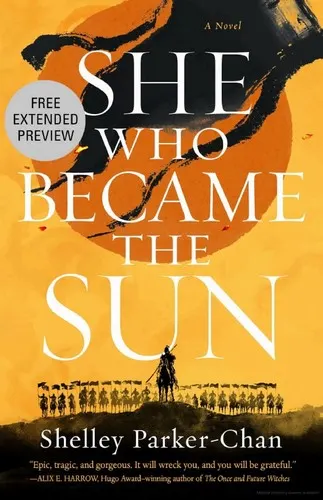
In a famine-stricken village, a girl denied even a meaningful future takes the identity of her dead brother—the child foretold to achieve greatness—and decides that destiny can be seized through sheer refusal to disappear.
Parker-Chan shares Dickinson’s fascination with identity as both intimate truth and deliberate construction. Their protagonist’s ambition is magnetic because it is inseparable from fear: every victory demands a harder act of self-creation, and desire continually collides with the person power requires her to become. The book’s queer relationships are not consoling ornaments; they expose the characters precisely where their armor is weakest.
A Hugo-finalist debut, it earned immediate acclaim for transforming the rise-to-power epic into something fiercer and stranger. Its momentum is immense, but what makes it indispensable for a Baru reader is its merciless question: if greatness is the only alternative to erasure, how much of yourself will you sacrifice to obtain it?