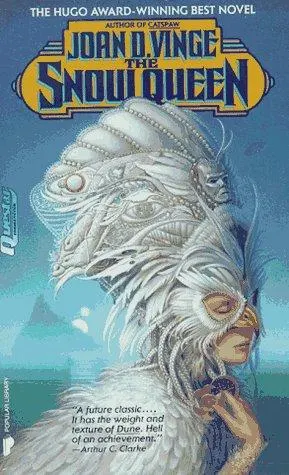
Books like The Snow Queen
Its grand machinery never overwhelms its heart: Vinge makes dynastic politics, ecological exploitation, and fairy-tale destiny matter because they are lived by women struggling against the roles history has written for them. These three novels achieve a similar fusion in strikingly different ways.
If you liked The Snow Queen, you’ll love these
Not lookalikes — kindred books. Each one shares something essential with The Snow Queen, and we tell you exactly what.
If Arienrhod and Moon fascinated you as variations on one life—powerful women caught between inheritance, design, and self-creation—Cyteen takes that fascination to extraordinary depths. After the death of Ariane Emory, a brilliant and feared political figure, her society attempts to reproduce her through cloning and meticulously reconstructed circumstances. The result is not a simple question of nature versus nurture, but a vast psychological drama about whether a person engineered for a purpose can ever truly belong to herself.
Cherryh makes laboratories, family relationships, bureaucratic factions, and intimate betrayals parts of the same apparatus of power. The novel is denser and more claustrophobic than Vinge’s, but comparably ambitious, with characters whose affections can be sincere even when every relationship has been manipulated. Its Hugo Award reflects the scale of the achievement: few science-fiction novels have examined identity and political inheritance with such ruthless intelligence.
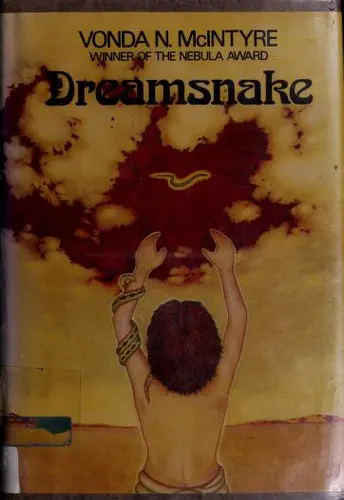
Dreamsnake offers the part of The Snow Queen that feels like an ancient tale told inside a scientifically credible future. Snake, a healer carrying genetically altered serpents, travels through scattered communities whose customs are strange but never treated as decorative exotica. When she loses the rare creature essential to her calling, replacing it becomes both a practical quest and a test of what her vocation means.
McIntyre shares Vinge’s gift for writing a capable woman without turning competence into invulnerability. Snake’s authority comes from knowledge, patience, and compassion; the novel’s dangers expose the costs of all three. Compact where The Snow Queen is panoramic, it still creates the impression of a much larger civilization just beyond the page. Its Hugo, Nebula, and Locus awards were richly deserved: this is one of the enduring examples of science fiction becoming myth without surrendering its scientific imagination.
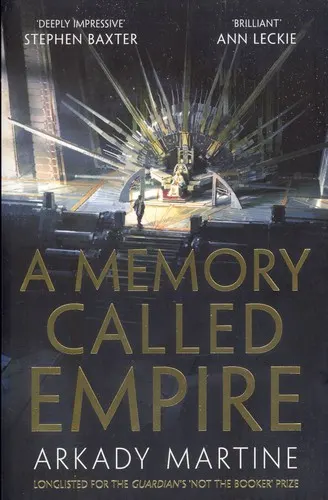
Mahit Dzmare arrives as ambassador to the immense Teixcalaanli Empire carrying an illicit neurological recording of her predecessor’s memories—only to discover that the recording is outdated, unreliable, and urgently necessary. From that beautifully destabilizing premise, Arkady Martine builds a political novel in which poetry, etiquette, friendship, and cultural prestige can be as consequential as military force.
A reader who admired Vinge’s portrayal of a dazzling society sustained by exploitation will recognize the central seduction: Teixcalaan is genuinely magnificent, yet its magnificence does not make its appetite for absorption benign. Mahit loves its language while trying not to disappear into it, much as Vinge’s characters must distinguish desire from the destinies imposed on them. Winner of the Hugo Award, this is space opera at once intimate and imperial—a story that understands why people may resist an empire and still yearn to belong to it.