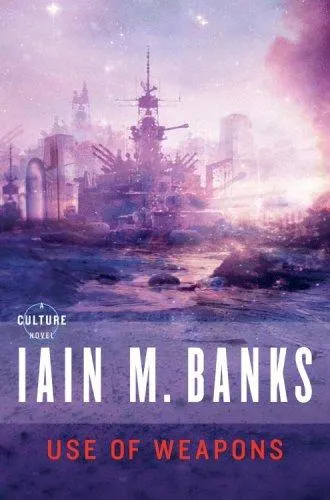
Books like Use of Weapons
Kazuo Ishiguro’s immaculate butler Stevens belongs beside Banks’s damaged operatives: both books turn disciplined competence into a form of self-concealment. The other two choices carry that same fascination with weaponized people into stranger, more openly political territory.
If you liked Use of Weapons, you’ll love these
Not lookalikes — kindred books. Each one shares something essential with Use of Weapons, and we tell you exactly what.
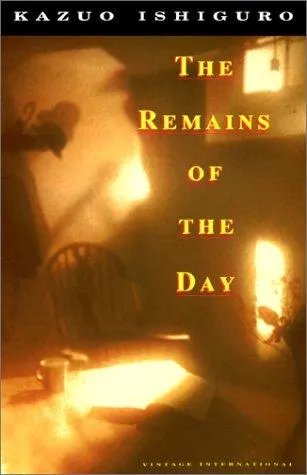
Stevens narrates a motoring holiday with the grave precision of a man filing a report. His dignity, professionalism, and exquisite command of language gradually reveal themselves as defenses against moral scrutiny.
Like Use of Weapons, Ishiguro’s Booker Prize winner makes structure inseparable from conscience: omissions matter, chronology becomes an instrument of self-justification, and apparently innocuous recollections accumulate terrible pressure. Banks is louder, funnier, and bloodier; Ishiguro achieves a comparable devastation through restraint. Few novels make the reader feel so sharply how a person can build an identity around being useful—and discover that usefulness does not absolve them.
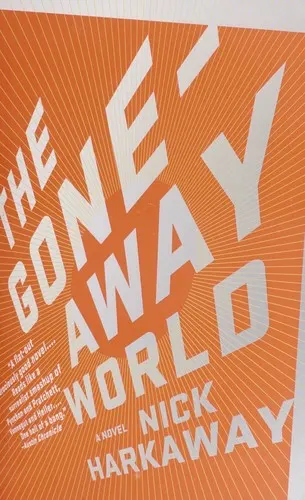
A mercenary rescue crew is hired to extinguish an impossible fire, prompting the unnamed narrator to recount his long friendship with the heroic, exasperating Gonzo Lubitsch. From there, Harkaway unleashes martial arts, corporate absurdity, war, friendship, bureaucracy, and reality itself coming apart.
This Clarke-shortlisted debut has Banks’s rare tonal range: exuberant comedy can become horror without warning, while flamboyant invention never displaces the human cost of violence. Its apparently unruly digressions are structural engineering in disguise, eventually clicking together with the force of a trap. Readers who loved Banks’s ability to hide tragedy inside swaggering adventure should not miss it.
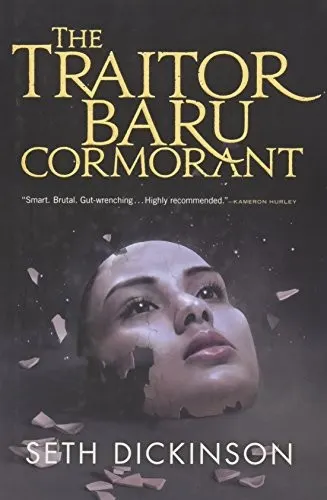
When the Empire of Masks absorbs Baru’s island, it recognizes her brilliance, educates her, and sends her abroad as an imperial accountant. Baru intends to master the machinery of conquest well enough to turn it against its owners—but machinery changes what passes through it.
Dickinson shares Banks’s obsession with the moral price of using compromised tools for admirable ends. Ledgers, trade policy, and monetary systems become weapons as decisive as armies, while Baru’s intelligence is both thrilling and frightening to watch. The novel has earned fiercely devoted readers because it refuses the comforting fantasy that cleverness can keep a strategist personally clean. If Zakalwe’s usefulness fascinated and appalled you, Baru Cormorant is essential company.