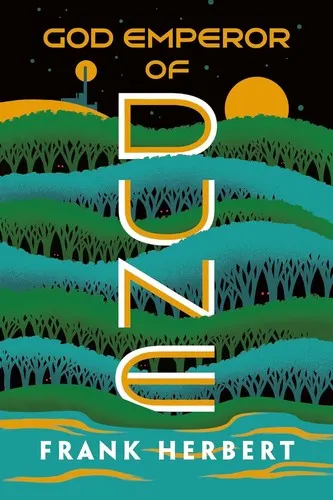
Books like God Emperor of Dune
Gabriel García Márquez’s The Autumn of the Patriarch belongs here because it understands the strangest achievement of God Emperor of Dune: making absolute power feel at once cosmic, grotesque, and unbearably lonely. The other two recommendations pursue Herbert’s intellectual puzzles into far-future societies built to reward rereading.
If you liked God Emperor of Dune, you’ll love these
Not lookalikes — kindred books. Each one shares something essential with God Emperor of Dune, and we tell you exactly what.
Márquez’s legendary dictator seems to exist outside ordinary time, surrounded by ritual, rumor, decay, and competing versions of his own history. The kinship with Leto II lies less in tyranny than in consciousness: both novels ask what centuries of power do to identity, intimacy, and reality itself.
Its immense, tidal sentences continually circle back and revise what you thought you knew. Political theory becomes bodily and claustrophobic; public myth cannot be separated from private solitude. Often considered among the great dictator novels, it offers the rare experience of being trapped inside the weather system of absolute rule. If Herbert’s long philosophical audiences with Leto were the heart of God Emperor for you, Márquez’s darker, more hallucinatory examination is indispensable.
Gene Wolfe’s four-volume novel begins with Severian, an apprentice torturer recounting his life in a civilization so old that advanced technology has become indistinguishable from legend. Like Herbert, Wolfe refuses to translate his world into easy exposition. Every archaic word, casual omission, and apparent contradiction may matter; the reader must reconstruct the truth from a narrator who understands more—and sometimes less—than he admits.
This is the match for readers who loved God Emperor as a book of deep time, compromised vision, moral transformation, and designs too vast to grasp at first encounter. Wolfe’s masterpiece has inspired unusually devoted readers, annotations, podcasts, and decades of argument because rereading does not merely reveal details: it changes the shape of the entire story. Few novels offer a comparable sense that an ancient intelligence is quietly testing you.
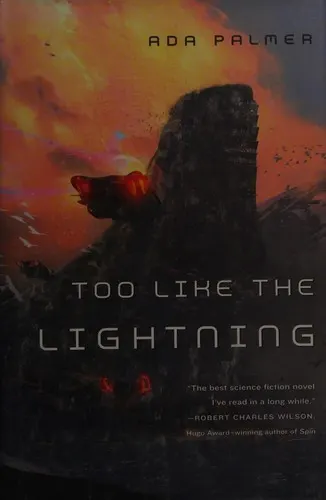
Ada Palmer builds a twenty-fifth century whose citizens have replaced nations with voluntary global affiliations called Hives, while religion and public discussion of gender have become taboo. Guiding us through it is Mycroft Canner, a brilliant, theatrical, legally condemned narrator who addresses the reader as though composing a scandalous Enlightenment history.
Palmer shares Herbert’s appetite for turning political philosophy into drama. Stability, freedom, coercion, historical necessity, and the manufacture of social peace are not background themes: they determine how people speak, desire, and govern. The prose argues with itself, characters embody rival theories of civilization, and apparent utopia is subjected to relentless intellectual pressure.
This Hugo-finalist debut demands attention, but its admirers love it with the intensity reserved for books that make other speculative futures seem timid. For anyone who wanted more of Leto II’s audacious debates about whether humanity can be saved without first being controlled, it is essential reading.