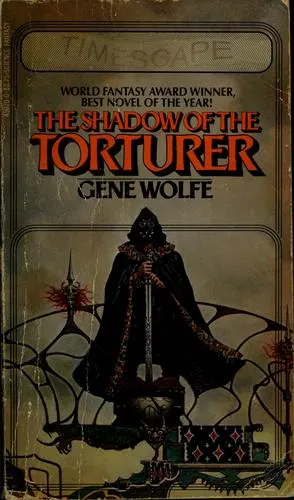
Books like The Shadow of the Torturer
Readers enthralled by Severian tend to enjoy being made responsible for the truth: decoding an eloquent narrator, excavating history from corrupted language, and sensing a vast design beneath what the book explicitly says. These three novels reward that same alert, suspicious attention.
If you liked The Shadow of the Torturer, you’ll love these
Not lookalikes — kindred books. Each one shares something essential with The Shadow of the Torturer, and we tell you exactly what.
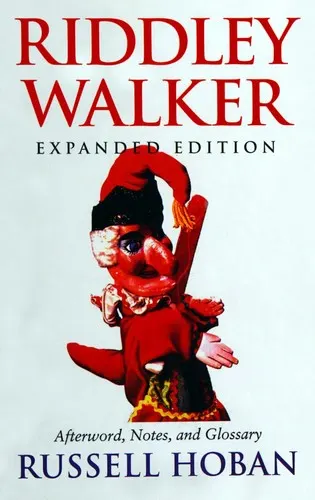
Hoban makes reading itself an act of archaeology. Riddley narrates in a fractured future English whose misspellings, puns, and half-preserved phrases contain the remains of a civilization he cannot fully comprehend. As with Severian, the narrator’s apparent clarity is deceptive: every ordinary word may carry evidence that he lacks the knowledge to recognize.
The voice initially demands patience, then becomes thrillingly legible; you begin reconstructing history faster than Riddley can, while wondering which of your conclusions are merely new myths. Winner of the John W. Campbell Memorial Award and now a cult classic, Riddley Walker offers that rare Wolfean pleasure of discovering that interpretation is not supplementary to the story—it is the story.
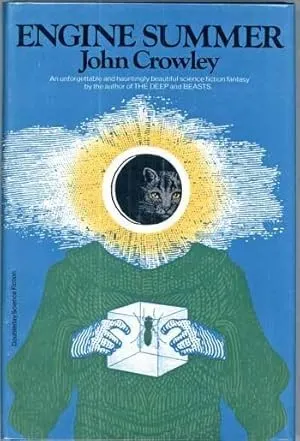
Rush That Speaks begins telling the story of his youth in a pastoral community whose customs seem lucid to him and tantalizingly strange to us. Crowley’s masterstroke is to make Rush guileless rather than evasive: the gaps arise because he has no reason to explain what everyone around him takes for granted. The reader must infer the shape of his world from metaphors, rituals, names, and casual misunderstandings.
Where Wolfe is baroque and shadowed, Crowley is delicate, sunlit, and heartbreakingly clear. Yet Engine Summer has the same hidden structural intelligence and the same ability to transform on rereading. Its devoted reputation as one of speculative fiction’s quiet masterpieces is deserved: this short novel leaves an emotional and metaphysical afterimage far larger than its size.
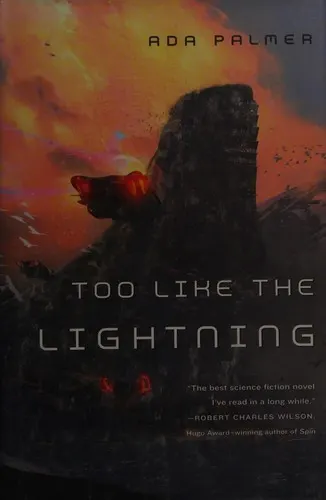
Mycroft Canner announces himself as both historian and criminal, then relates the twenty-fifth century in an aggressively archaic eighteenth-century manner—addressing the reader, disputing anticipated objections, assigning gendered pronouns according to his own judgments, and continually reminding us that history is being shaped while we read it. Anyone who relishes Severian’s cultivated voice and strategic candor will immediately recognize the game, though Palmer plays it at a faster, more argumentative pitch.
Palmer, a historian, builds her future from clashing philosophies rather than decorative lore: theology, censorship, punishment, gender, and political legitimacy become forces with real dramatic pressure. A Hugo finalist with an unusually passionate readership, Too Like the Lightning is dense, audacious, and deliberately destabilizing. Few modern novels so confidently assume that their readers want to wrestle with them—and are capable of winning.