Author
Books like Margaret Atwood
18 books we recommend to Margaret Atwood readers, drawn from The Handmaid's Tale, The Testaments, Alias Grace, Oryx and Crake, The Blind Assassin, Cat's Eye and Surfacing — each with the reason why.
If you loved The Handmaid's Tale
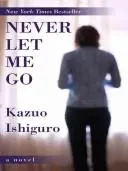
Like Offred, Kathy narrates from inside a system whose vocabulary conceals what it does to human bodies. Ishiguro’s calm, retrospective voice makes every euphemism and half-understood childhood memory ominous. The horror lies not in spectacular brutality but in how thoroughly people can be trained to regard the intolerable as ordinary.
This Booker-shortlisted novel by the Nobel laureate has become a modern classic because its restraint makes it devastating. Readers who admired Atwood’s use of gaps, suppressed knowledge and unreliable memory will find Ishiguro’s quiet revelations almost unbearably powerful.
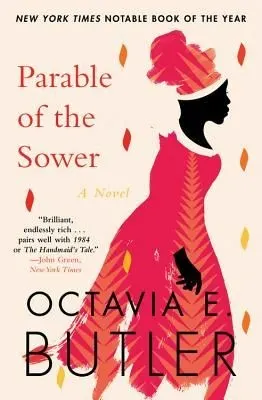
Lauren Olamina is a teenage observer recording the collapse gathering beyond her gated California neighborhood. Her intelligence resembles Offred’s in one crucial way: she survives by noticing what others refuse to name. But where Offred preserves a self through memory and wordplay, Lauren begins constructing a philosophy capable of facing relentless change.
Butler’s lean, urgent prose gives the book the force of prophecy without sacrificing intimate human stakes. Long revered by speculative-fiction readers, it has only grown more influential as its climate disasters, inequality and political extremism have become harder to dismiss. It is not merely prescient; it is an electrifying novel about turning perception into resistance.
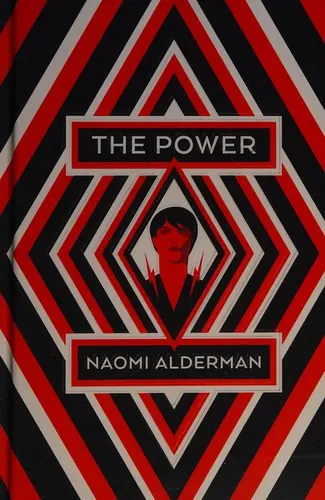
Alderman begins with a startling reversal: teenage girls develop the ability to inflict overwhelming physical pain. What follows is not a simple revenge fantasy but an examination of how power invents its own theology, history and excuses. As in The Handmaid’s Tale, private bodily experience becomes political doctrine, and official accounts compete with the truths people tell in secret.
Winner of the Women’s Prize and famously encouraged by Atwood during its development, The Power has become one of the defining feminist speculative novels of its generation. Its shifting perspectives and archival framing continually unsettle easy judgments. Anyone haunted by Gilead’s manufacture of ‘natural’ gender roles should read Alderman’s fierce demonstration of how quickly nature can be rewritten to flatter whoever rules.
If you loved The Testaments
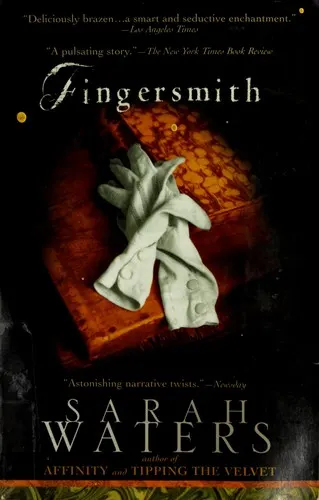
If you loved how The Testaments turns vulnerability, secrecy, and divided loyalties into suspense, Waters’s Booker-shortlisted novel is essential. Its young women inhabit a world eager to classify, confine, and exploit them, yet they learn to manipulate the stories imposed upon them.
Waters plots with astonishing precision: apparent innocence conceals strategy, intimacy is inseparable from mistrust, and each new angle changes the moral meaning of what came before. It has the addictive momentum of a thriller without sacrificing psychological depth—a rare feat that has made Fingersmith a modern historical-fiction classic.
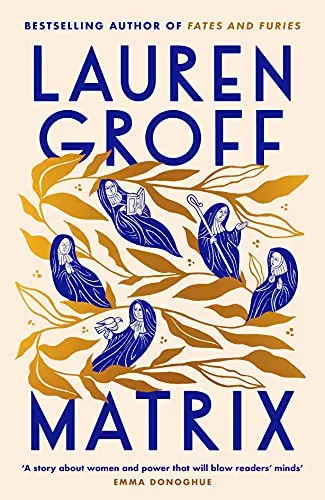
For readers most fascinated by Aunt Lydia, Matrix offers another formidable study of a woman converting humiliation into authority. Seventeen-year-old Marie is banished to an impoverished medieval abbey, where intelligence, appetite, and administrative genius become instruments of survival.
Groff refuses to make female power automatically virtuous. The abbey is refuge, institution, political project, and potential tyranny at once. This National Book Award finalist is written with muscular, visionary intensity; Marie’s audacity makes her the kind of protagonist who enlarges in the imagination long after the final page.
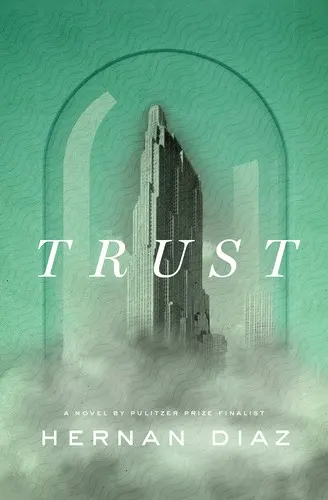
The Testaments asks who gets to leave the authoritative account behind. Pulitzer Prize winner Trust makes that question its entire dazzling mechanism, assembling competing texts around a powerful financier and the woman whom public history has reduced to a supporting role.
Diaz turns archival reconstruction into gripping drama. Each document quietly exposes the interests behind another, while money, gender, authorship, and reputation become intertwined forms of control. Readers who relished piecing together Atwood’s testimonies will find the same active pleasure here—and a devastating demonstration that controlling the record can be the ultimate exercise of power.
If you loved Alias Grace
Like Alias Grace, this Booker-shortlisted novel makes historical evidence feel both solid and treacherous. A young Scottish crofter admits to a brutal crime; around his account accumulate witness statements, medical opinions and legal arguments. Every document claims authority, yet every one is shaped by class, prejudice or self-interest.
Burnet’s great feat is to turn the reader into another examiner of the accused. His austere, convincing voices expose how institutions manufacture a plausible person from incomplete facts. If you loved Atwood’s refusal to solve Grace into innocence, guilt or diagnosis, this equally gripping novel offers another case in which uncertainty is not a tease but the deepest truth available.
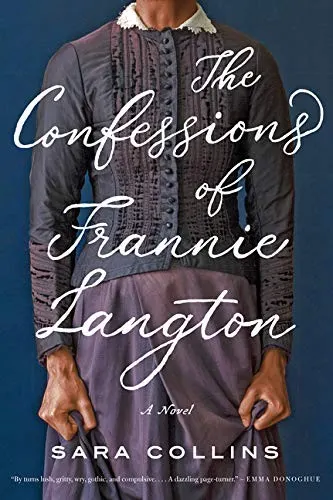
Frannie Langton stands accused of murdering the wealthy London couple she served, and she writes her account from prison. Yet Collins refuses the neat satisfactions of a conventional confession. Frannie has been enslaved, educated, displayed and interpreted by others; telling her story means wrestling language away from people who regard her as evidence rather than as a mind.
Where Atwood probes gender, class and Victorian theories of criminality, Collins adds the violent manufacture of racial knowledge. Frannie’s voice is intelligent, caustic, desirous and compromised—never reduced to exemplary victimhood. Winner of the Costa First Novel Award, the book earns its Gothic intensity through moral seriousness. Anyone haunted by the unknowable space between Grace Marks and the stories told about her should not miss Frannie’s fierce claim to that same space.
If you loved Oryx and Crake
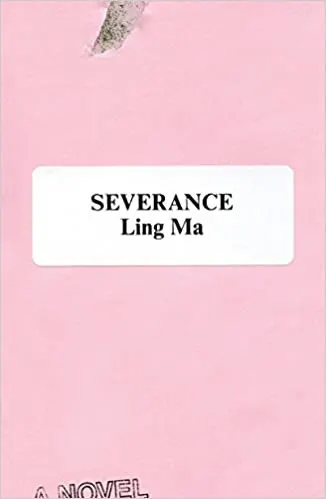
Candace Chen keeps going to her Manhattan office even as civilization begins to empty out. That premise gives Ling Ma room for a wonderfully dry dissection of work, consumption, immigration, nostalgia, and the routines people cling to after those routines have lost all purpose.
Readers who loved Atwood’s mordant corporate vocabulary and Snowman’s lonely movement between before and after will recognize the pleasure here, but Ma’s wit has its own cool, millennial precision. Winner of the Kirkus Prize for Fiction, Severance became a touchstone because its apocalypse feels less like an interruption than the final form of ordinary office life. It is funny until you notice how thoroughly it has implicated you.
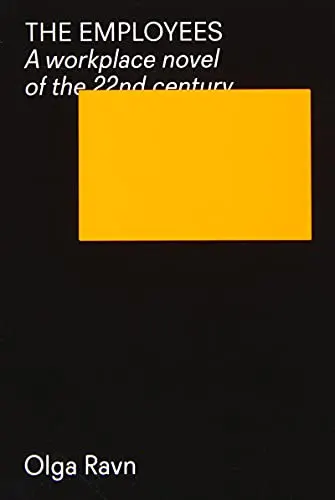
Aboard a corporate spacecraft, human and humanoid workers give brief statements to an investigating committee. Their testimonies concern labor, desire, memory, strange objects brought aboard from a newly discovered planet—and the increasingly unstable distinction between person and product.
Ravn condenses many of Oryx and Crake’s deepest concerns into a slim, uncanny chorus: engineered life, managerial euphemism, commodified bodies, and the dangerous persistence of longing. Yet its fragmentary form makes it feel genuinely alien, as though a personnel file had begun dreaming. Shortlisted for the International Booker Prize, The Employees has acquired a passionate reputation far larger than its page count; it is eerie, funny, sensuous, and difficult to shake.
If you loved The Blind Assassin
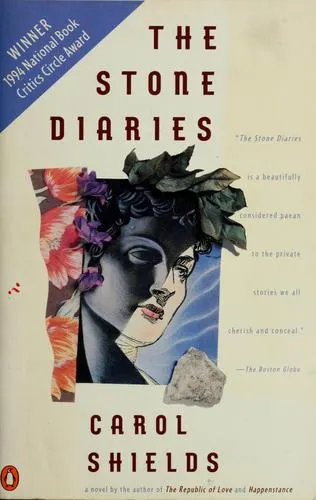
Daisy Goodwill attempts to narrate her ordinary twentieth-century life, but her autobiography keeps escaping her control. Other voices interrupt; photographs and documents claim authority; crucial experiences remain strangely blank. Like Iris Chase, Daisy is most revealing when she cannot—or will not—speak directly.
Shields turns the gaps in a woman’s recorded life into the novel’s real subject: how domestic existence is diminished, misremembered, or narrated by others. Winner of both the Pulitzer Prize and Canada’s Governor General’s Award, The Stone Diaries is formally daring without ever feeling like an exercise. Its quiet accumulation becomes overwhelming; missing it would mean missing one of fiction’s most moving demonstrations that absence can tell a life.
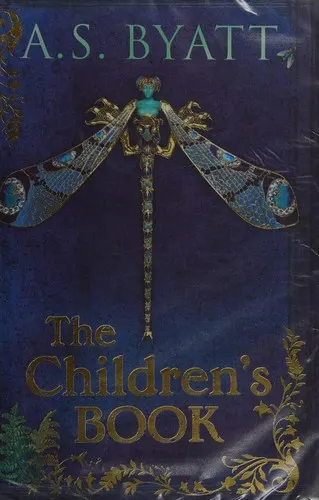
Olive Wellwood is a celebrated writer of children’s fantasies who creates a private story for each of her children. Around her gathers a richly imagined world of artists, radicals, craftsmen, and beautiful households—yet Byatt is alert to the cost when adults turn children and family life into artistic material.
This is the match for readers who loved Atwood’s collision of private mythology with public history. Fairy tales, puppet plays, politics, sexuality, and family secrets are woven into a vast social tapestry, while the seductive stories inside the novel gradually acquire moral weight. Shortlisted for the Booker Prize, The Children’s Book is lush, intelligent, and unsparing: a family chronicle that makes storytelling feel at once like refuge, inheritance, and theft.
If you loved Cat's Eye
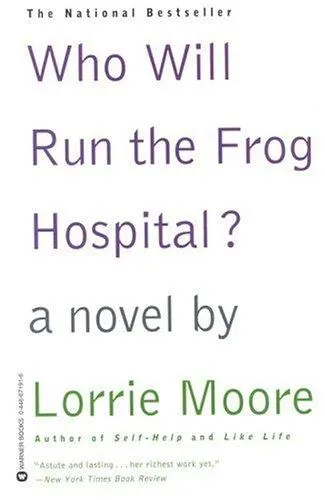
Berie, unhappily traveling in Paris, remembers the summer when she and her magnetic best friend Sils worked at an amusement park called Storyland. Moore captures the private language of teenage friendship—its jokes, loyalties, jealousies, and tiny betrayals—with the same painful accuracy Atwood brings to Elaine’s childhood.
This is a short novel, but its emotional reach is enormous. Moore’s wit makes every page lively; then, almost invisibly, the comedy opens into grief for the selves and friendships time has carried away. Readers return devotedly to this slender book because it understands that nostalgia is never innocent: to remember youth is also to revise it, mourn it, and wonder what one failed to see.
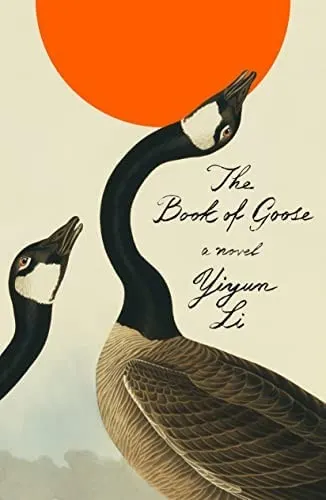
In postwar rural France, Agnès and Fabienne begin inventing stories together, but their creative game gradually gives one girl authorship, visibility, and a public identity that cannot be neatly separated from the other. A reader drawn to Elaine’s paintings—and to the question of who has the right to shape whose image—will find this novel almost uncannily compelling.
Li writes with crystalline restraint, letting affection, rivalry, manipulation, and imaginative exhilaration occupy the same sentence without simplifying any of them. Winner of the PEN/Faulkner Award, The Book of Goose is not merely a fine novel about friendship; it is a haunting inquiry into how art can become collaboration, escape, possession, and revenge.
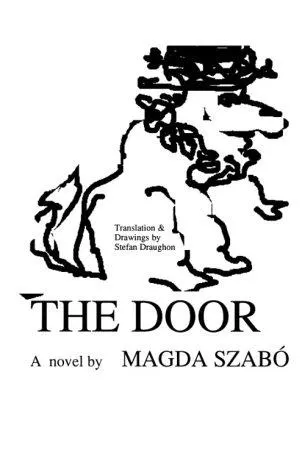
Szabó’s narrator, a successful writer named Magda, looks back on her relationship with Emerence, the formidable housekeeper who enters her life and keeps almost everyone outside the locked door of her home. From the outset, Magda tells us that she bears responsibility for a catastrophe; the novel becomes an act of recollection that is also a prosecution of the self.
Like Cat’s Eye, The Door refuses the comfort of a clean division between victim and aggressor. Love can contain vanity; generosity can become control; understanding another person may be inseparable from turning her into a story. The novel helped secure Szabó’s international reputation because its moral pressure is extraordinary: Emerence becomes one of those fictional presences who seems less invented than encountered, and the final pages leave the reader feeling personally implicated.
If you loved Surfacing

Lise, preparing for a trip south, appears to be coming apart—but Spark steadily undermines the reader’s confidence that she can be diagnosed, pitied, or explained. Like Atwood, she turns an apparently unstable heroine into a challenge to everyone who would interpret and contain her.
The kinship lies in this struggle over who controls a woman’s story. Where Surfacing is sensuous and haunted, Spark’s short novel is hard, bright, and wickedly funny; its clipped sentences make every social encounter feel predatory. The book announces catastrophe early, replacing suspense with something stranger: a ruthless inquiry into agency. Often regarded as one of Spark’s most audacious novels, it is small enough to read in an evening and sharp enough to trouble you for years.
Ruth and her sister Lucille grow up in the lakeside town of Fingerbone under the care of their unconventional aunt Sylvie, whose indifference to ordinary domestic order gradually becomes a different way of inhabiting the world. A reader drawn to the submerged memories and charged landscape of Surfacing will recognize Robinson’s gift for making water, weather, animals, and abandoned objects feel like forms of thought.
But Housekeeping is not simply another wilderness novel. Its real subject is the precarious border between belonging and disappearance: whether a life must become socially legible to count as a life at all. Robinson’s sentences move with biblical gravity and dreamlike clarity, turning neglect, grief, and transience into startling beauty. This PEN/Hemingway-winning debut established her reputation at once; its devotees return to it because few novels make freedom feel so alluring, or so costly.
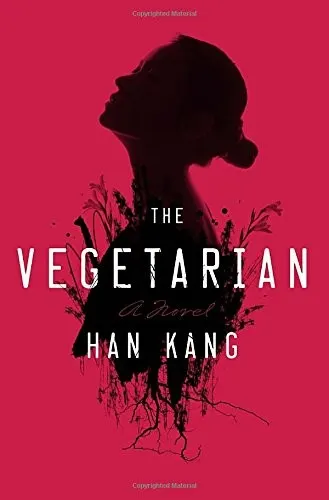
After disturbing dreams, Yeong-hye stops eating meat. Her decision is modest in outward form, yet her family treats it as an intolerable rebellion. Han Kang never gives us comfortable possession of Yeong-hye’s consciousness; instead, other people narrate her, desire her, fear her, and attempt to force her back into a recognizable role.
That structure will grip readers who loved Surfacing’s suspicion of supposedly rational observers. Both novels blur breakdown and revelation, asking whether withdrawal from human violence is madness, protest, or transformation. Han’s prose—translated with eerie spareness by Deborah Smith—makes the body a battleground between social obedience and an almost ecological longing to become otherwise. Winner of the 2016 Man Booker International Prize, The Vegetarian has become a modern classic because its central refusal keeps widening long after the final page.