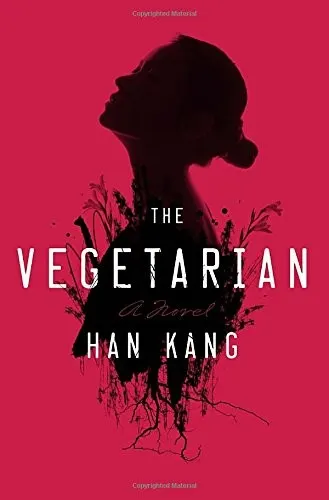
Books like The Vegetarian
In each of these books, a hairline crack runs through ordinary life until roots, teeth, and impossible hungers push through.
If you liked The Vegetarian, you’ll love these
Not lookalikes — kindred books. Each one shares something essential with The Vegetarian, and we tell you exactly what.
Natsuki believes she is an alien stranded among humans, a conviction that lets Murata expose marriage, work, and family as systems designed to discipline unruly bodies. Like Han Kang, she takes a woman’s refusal seriously even when everyone around her calls it madness.
Murata’s deceptively plain prose makes the novel’s increasingly grotesque turns feel horribly logical. Readers who admired how The Vegetarian moves from social embarrassment to existential terror will find Earthlings even more audacious: a notorious, fiercely divisive novel from the author of Convenience Store Woman that tests just how far liberation can go before it becomes unrecognizable.
Cassie is born with her abdomen tied in a literal knot. From that surreal fact, Etter builds a whole world in which the pain imposed on women becomes visible architecture: bodies carry expectations, shame acquires physical weight, and domestic normality feels like a particularly efficient nightmare.
This Shirley Jackson Award-winning novel has the concentrated force of a dark fable, but its imagery is startlingly tactile rather than merely symbolic. If the transformation in The Vegetarian felt to you less like fantasy than the truest possible expression of suffering, The Book of X is essential reading.
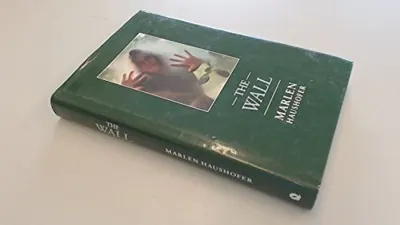
A woman visiting a hunting lodge wakes to find herself cut off from the rest of the world by an invisible barrier. What follows is not a conventional survival adventure but a patient stripping-away of social identity. Her attention shifts toward weather, labor, animals, hunger, and the difficult ethics of remaining alive.
Where Yeong-hye is observed and interpreted by others, Haushofer’s narrator controls the page herself; the result feels like the other side of the same radical withdrawal. First published in 1963 and since reclaimed as a feminist and ecological classic, The Wall inspires unusual devotion because its solitude feels both terrifying and lucid. Its quiet will stay with you like altered weather.