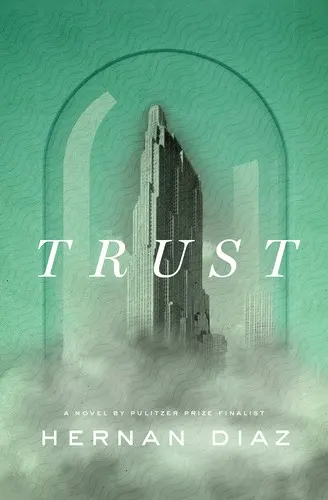
Books like Trust
The Blind Assassin builds a family’s official history only to let buried voices crack it open; The Blazing World starts amid those cracks, assembling a woman’s contested legacy from incompatible documents. Along with Case Study, these novels share Trust’s deepest pleasure: watching authorship become a struggle over money, gender, identity, and truth.
If you liked Trust, you’ll love these
Not lookalikes — kindred books. Each one shares something essential with Trust, and we tell you exactly what.
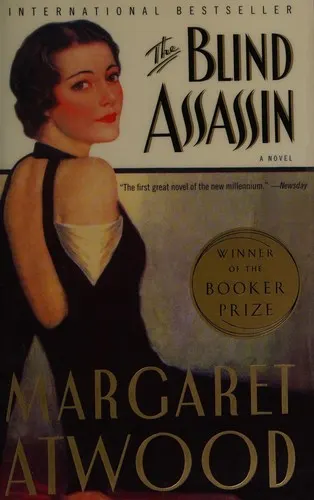
Atwood’s Booker Prize winner offers the same exhilarating sense that every new text is revising the one before it. An elderly woman recounts her wealthy Canadian family’s decline, while newspaper reports, public records, and a scandalous novel embedded inside her memoir propose competing versions of the past.
Like Díaz, Atwood can reproduce the polished language of respectable society while exposing the violence concealed by it. Her real subject is who gets commemorated, who gets silenced, and how a woman can hide testimony inside forms men dismiss. The construction is dazzling, but the accumulated emotional force is what has made the novel one of Atwood’s most beloved.
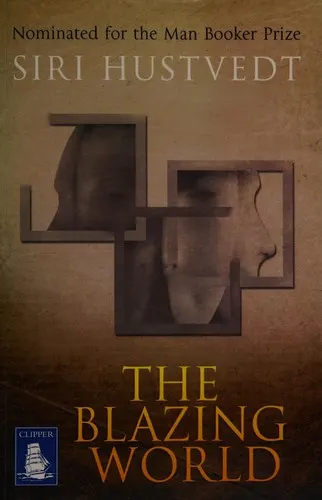
The overlooked artist Harriet Burden devises a furious experiment: she exhibits her work behind three male identities to test whether the art world values objects differently when it imagines a man made them. Hustvedt presents the aftermath through Burden’s notebooks, interviews, reviews, and contradictory testimony, edited into a deliberately unstable archive.
This is an especially sharp companion to Trust because it treats attribution as material power. A name controls prestige, price, and posterity; even rebellion can be repackaged by the institutions it attacks. Booker-longlisted and intellectually audacious, The Blazing World makes its documentary puzzle inseparable from Burden’s rage, wit, and hunger to be seen. It deserves the larger readership its heroine was denied.
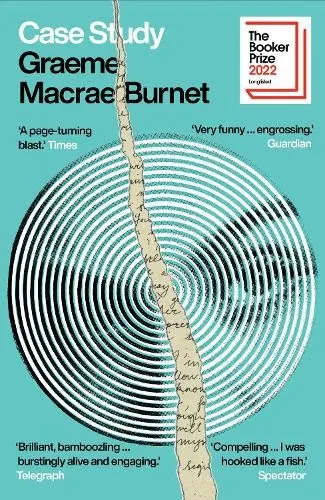
A young woman adopts the identity “Rebecca Smyth” to investigate a notorious 1960s psychotherapist whom she suspects of destroying her sister. Her notebooks alternate with a sober biography of the therapist—and soon the reader is auditing not only their claims but the authority of the book itself.
Burnet’s Booker-longlisted novel has Trust’s uncanny ability to make invented documents feel discovered rather than composed. Yet its tone is entirely its own: dryly funny, psychologically slippery, and alive to the way people manufacture selves for an audience. Every case history becomes a performance, every diagnosis a bid for control. Few novels make skepticism this pleasurable.