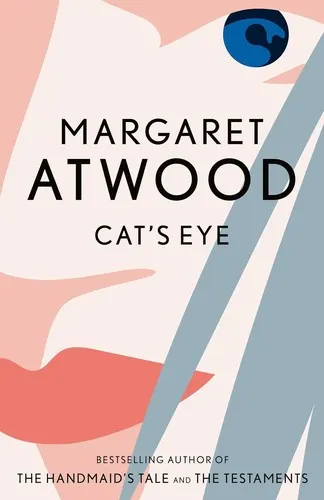
Books like Cat's Eye
Cat’s Eye and Lorrie Moore’s Who Will Run the Frog Hospital? belong together: both know that a girlhood friendship can remain the secret weather of an adult life. These three novels share Atwood’s fascination with memory, power, art, and the unstable border between intimacy and cruelty.
If you liked Cat's Eye, you’ll love these
Not lookalikes — kindred books. Each one shares something essential with Cat's Eye, and we tell you exactly what.
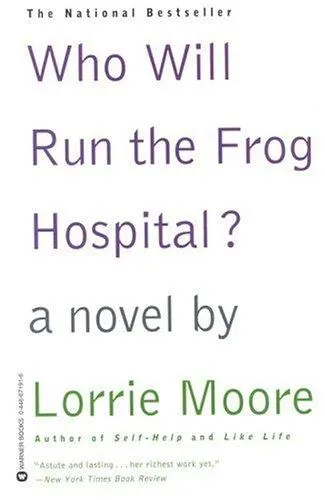
Berie, unhappily traveling in Paris, remembers the summer when she and her magnetic best friend Sils worked at an amusement park called Storyland. Moore captures the private language of teenage friendship—its jokes, loyalties, jealousies, and tiny betrayals—with the same painful accuracy Atwood brings to Elaine’s childhood.
This is a short novel, but its emotional reach is enormous. Moore’s wit makes every page lively; then, almost invisibly, the comedy opens into grief for the selves and friendships time has carried away. Readers return devotedly to this slender book because it understands that nostalgia is never innocent: to remember youth is also to revise it, mourn it, and wonder what one failed to see.
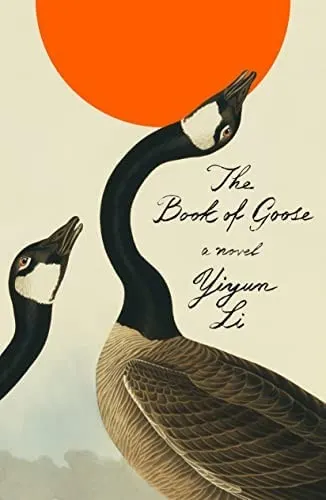
In postwar rural France, Agnès and Fabienne begin inventing stories together, but their creative game gradually gives one girl authorship, visibility, and a public identity that cannot be neatly separated from the other. A reader drawn to Elaine’s paintings—and to the question of who has the right to shape whose image—will find this novel almost uncannily compelling.
Li writes with crystalline restraint, letting affection, rivalry, manipulation, and imaginative exhilaration occupy the same sentence without simplifying any of them. Winner of the PEN/Faulkner Award, The Book of Goose is not merely a fine novel about friendship; it is a haunting inquiry into how art can become collaboration, escape, possession, and revenge.
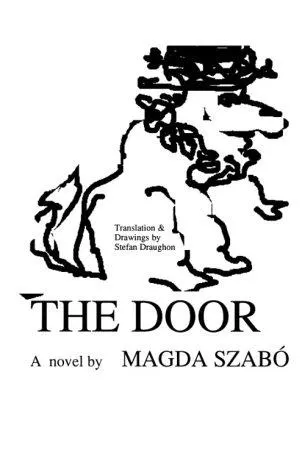
Szabó’s narrator, a successful writer named Magda, looks back on her relationship with Emerence, the formidable housekeeper who enters her life and keeps almost everyone outside the locked door of her home. From the outset, Magda tells us that she bears responsibility for a catastrophe; the novel becomes an act of recollection that is also a prosecution of the self.
Like Cat’s Eye, The Door refuses the comfort of a clean division between victim and aggressor. Love can contain vanity; generosity can become control; understanding another person may be inseparable from turning her into a story. The novel helped secure Szabó’s international reputation because its moral pressure is extraordinary: Emerence becomes one of those fictional presences who seems less invented than encountered, and the final pages leave the reader feeling personally implicated.