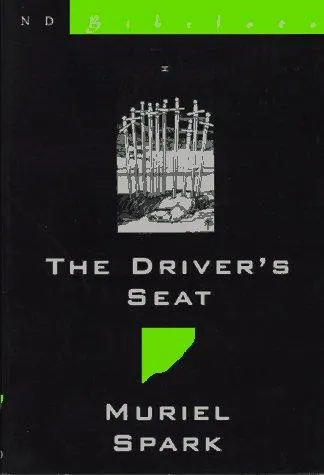
Books like The Driver's Seat
Cold fire. Spark’s novel is unforgettable because its ruthless formal control contains such volatile material: alienation, black comedy, sexual danger, and a woman determined to author her own fate. These three books create a similar tension between emotional extremity and unnervingly exact prose.
If you liked The Driver's Seat, you’ll love these
Not lookalikes — kindred books. Each one shares something essential with The Driver's Seat, and we tell you exactly what.
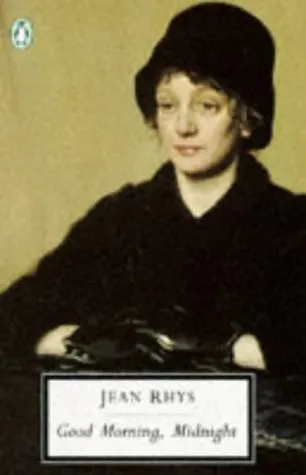
Sasha Jansen drifts through Paris with little money, rehearsed defenses, and an acute awareness of every social humiliation awaiting her. Like Spark, Rhys makes estrangement both agonizing and horribly funny: a dress, a hotel room, or a stranger’s glance can become an entire tribunal.
What binds the novels most closely is their refusal to turn a difficult woman into a case study. Sasha controls what she reveals through repetitions, evasions, and abrupt memories; the fractured structure becomes her last private territory. Once neglected, Good Morning, Midnight is now recognized as a modernist classic, and its emotional precision still feels dangerously immediate. If Lise’s fierce opacity fascinated you, Sasha’s bruised, sardonic voice is indispensable.
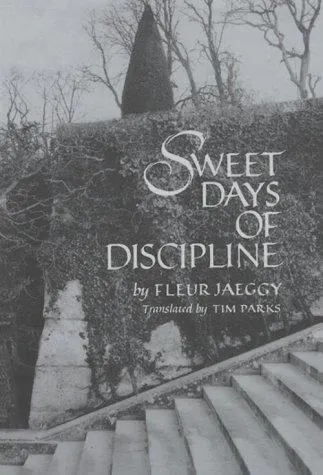
At a Swiss boarding school, an unnamed narrator becomes fixated on the austere, self-possessed Frédérique. Jaeggy renders that attraction in prose so polished and compressed that every sentence seems capable of drawing blood. Affection, rivalry, cruelty, and imitation become nearly indistinguishable.
A winner of Italy’s Premio Bagutta, the novel has earned a devoted readership for its singular severity. It shares Spark’s gift for making emotional violence look almost geometrical: nothing is overexplained, sentiment is distrusted, and the silences exert more pressure than confession could. This is a tiny book with the moral temperature of ice and the afterlife of a nightmare.
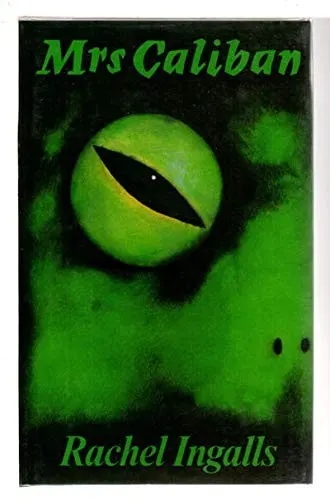
Dorothy lives inside a deadened suburban marriage until an escaped amphibious creature enters her kitchen. Ingalls treats this impossible event with perfect composure, allowing the fantastic to expose how strange ordinary domestic life already is. The deadpan humor is exquisite, but beneath it lie loneliness, erotic rebellion, and the dangerous exhilaration of stepping outside an assigned role.
Its kinship with Spark lies less in incident than in tonal nerve: both writers move between comedy and catastrophe without warning the reader that the floor has shifted. Long cherished as a cult classic and repeatedly rediscovered, Mrs. Caliban accomplishes more in its brief span than many novels manage at five times the length. Its tenderness makes its ruthlessness cut even deeper.