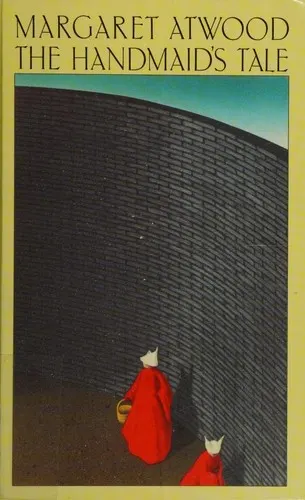
Books like The Handmaid's Tale
Never Let Me Go makes oppression seem almost tender; Parable of the Sower meets it with clear-eyed ferocity. The Power, meanwhile, turns the machinery of gendered rule around and asks whether anyone can wield it cleanly. All three share Atwood’s gift for making an invented world expose the moral evasions of our own.
If you liked The Handmaid's Tale, you’ll love these
Not lookalikes — kindred books. Each one shares something essential with The Handmaid's Tale, and we tell you exactly what.
Like Offred, Kathy narrates from inside a system whose vocabulary conceals what it does to human bodies. Ishiguro’s calm, retrospective voice makes every euphemism and half-understood childhood memory ominous. The horror lies not in spectacular brutality but in how thoroughly people can be trained to regard the intolerable as ordinary.
This Booker-shortlisted novel by the Nobel laureate has become a modern classic because its restraint makes it devastating. Readers who admired Atwood’s use of gaps, suppressed knowledge and unreliable memory will find Ishiguro’s quiet revelations almost unbearably powerful.
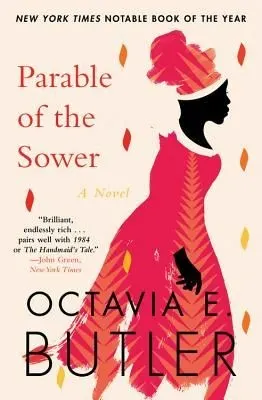
Lauren Olamina is a teenage observer recording the collapse gathering beyond her gated California neighborhood. Her intelligence resembles Offred’s in one crucial way: she survives by noticing what others refuse to name. But where Offred preserves a self through memory and wordplay, Lauren begins constructing a philosophy capable of facing relentless change.
Butler’s lean, urgent prose gives the book the force of prophecy without sacrificing intimate human stakes. Long revered by speculative-fiction readers, it has only grown more influential as its climate disasters, inequality and political extremism have become harder to dismiss. It is not merely prescient; it is an electrifying novel about turning perception into resistance.
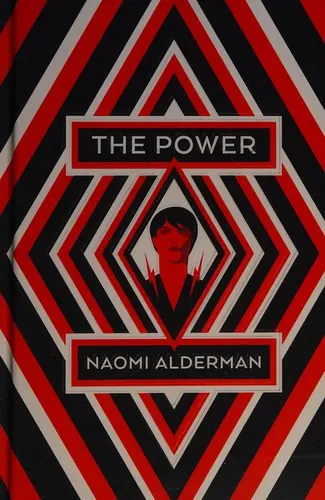
Alderman begins with a startling reversal: teenage girls develop the ability to inflict overwhelming physical pain. What follows is not a simple revenge fantasy but an examination of how power invents its own theology, history and excuses. As in The Handmaid’s Tale, private bodily experience becomes political doctrine, and official accounts compete with the truths people tell in secret.
Winner of the Women’s Prize and famously encouraged by Atwood during its development, The Power has become one of the defining feminist speculative novels of its generation. Its shifting perspectives and archival framing continually unsettle easy judgments. Anyone haunted by Gilead’s manufacture of ‘natural’ gender roles should read Alderman’s fierce demonstration of how quickly nature can be rewritten to flatter whoever rules.