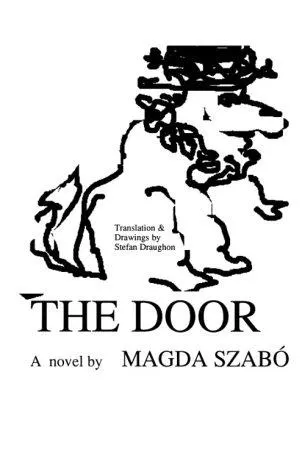
Books like The Door
What lingers is the terrible doubleness of its central bond: devotion and domination, care and trespass, gratitude and guilt become impossible to separate. These three novels create similarly indelible relationships while refusing to tell us whom to forgive.
If you liked The Door, you’ll love these
Not lookalikes — kindred books. Each one shares something essential with The Door, and we tell you exactly what.
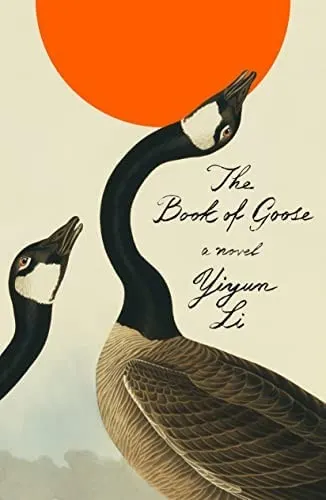
Agnès looks back on her childhood friendship with Fabienne, a fiercely imaginative girl who invents stories—and, increasingly, the terms of their shared reality. Like Emerence, Fabienne is magnetic, commanding and never fully available to explanation; loving her means submitting to rules whose consequences become clear only later.
Li is especially brilliant on unequal collaboration: who creates, who receives credit, and how intimacy can turn another person into raw material. The retrospective narration carries the same ache of complicity as The Door, while its cool precision keeps sentimentality at bay. Winner of the PEN/Faulkner Award, this is a quiet, devastating novel about authorship and betrayal that seems to grow more morally intricate after it ends.
When the eccentric Sylvie arrives to care for Ruth and Lucille, ordinary domestic expectations—clean rooms, regular meals, respectable appearances—begin to collide with a radically different idea of how a life might be lived. Robinson understands, as Szabó does, that housekeeping is never merely housekeeping: it can express love, enforce conformity, preserve memory or defend a private self from intrusion.
Sylvie’s elusiveness will fascinate readers haunted by Emerence. She inspires tenderness and alarm without being reduced to a diagnosis or symbol, and Ruth’s account continually tests the boundary between accepting someone and trying to remake her. Robinson’s PEN/Hemingway-winning debut has become a modern American classic; its luminous sentences and strange emotional weather make it a book readers inhabit rather than simply finish.
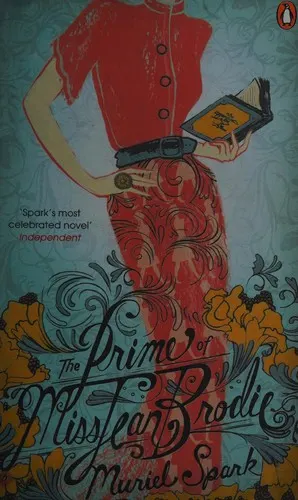
Jean Brodie selects a group of schoolgirls to receive the full force of her charisma, tastes and certainty. She is inspiring, absurd, possessive and dangerous—and Spark never flattens those contradictions into a verdict. As in The Door, loyalty becomes inseparable from power, and betrayal may be both an act of cruelty and a form of moral resistance.
The novel’s compact, darting structure is a marvel: Spark moves through time with ruthless control, revealing consequences before motives and making every apparently comic detail acquire a darker charge. Widely regarded as her masterpiece, it is far sharper and stranger than its familiar schoolroom premise suggests. Few novels expose so elegantly the vanity hidden inside devotion—or leave the reader so divided about the woman at their center.