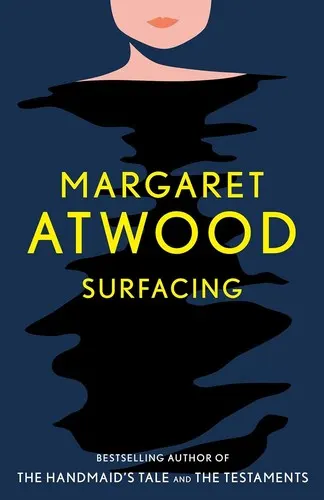
Books like Surfacing
Muriel Spark’s The Driver’s Seat trades Atwood’s lake country for boutiques, hotels, and airport glare, yet it shares Surfacing’s exhilarating refusal to make an estranged woman safely intelligible. These three novels pursue that refusal through radically different styles: savage comedy, lyrical transience, and bodily revolt.
If you liked Surfacing, you’ll love these
Not lookalikes — kindred books. Each one shares something essential with Surfacing, and we tell you exactly what.

Lise, preparing for a trip south, appears to be coming apart—but Spark steadily undermines the reader’s confidence that she can be diagnosed, pitied, or explained. Like Atwood, she turns an apparently unstable heroine into a challenge to everyone who would interpret and contain her.
The kinship lies in this struggle over who controls a woman’s story. Where Surfacing is sensuous and haunted, Spark’s short novel is hard, bright, and wickedly funny; its clipped sentences make every social encounter feel predatory. The book announces catastrophe early, replacing suspense with something stranger: a ruthless inquiry into agency. Often regarded as one of Spark’s most audacious novels, it is small enough to read in an evening and sharp enough to trouble you for years.

Ruth and her sister Lucille grow up in the lakeside town of Fingerbone under the care of their unconventional aunt Sylvie, whose indifference to ordinary domestic order gradually becomes a different way of inhabiting the world. A reader drawn to the submerged memories and charged landscape of Surfacing will recognize Robinson’s gift for making water, weather, animals, and abandoned objects feel like forms of thought.
But Housekeeping is not simply another wilderness novel. Its real subject is the precarious border between belonging and disappearance: whether a life must become socially legible to count as a life at all. Robinson’s sentences move with biblical gravity and dreamlike clarity, turning neglect, grief, and transience into startling beauty. This PEN/Hemingway-winning debut established her reputation at once; its devotees return to it because few novels make freedom feel so alluring, or so costly.
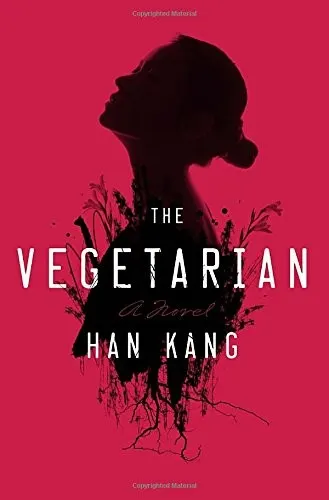
After disturbing dreams, Yeong-hye stops eating meat. Her decision is modest in outward form, yet her family treats it as an intolerable rebellion. Han Kang never gives us comfortable possession of Yeong-hye’s consciousness; instead, other people narrate her, desire her, fear her, and attempt to force her back into a recognizable role.
That structure will grip readers who loved Surfacing’s suspicion of supposedly rational observers. Both novels blur breakdown and revelation, asking whether withdrawal from human violence is madness, protest, or transformation. Han’s prose—translated with eerie spareness by Deborah Smith—makes the body a battleground between social obedience and an almost ecological longing to become otherwise. Winner of the 2016 Man Booker International Prize, The Vegetarian has become a modern classic because its central refusal keeps widening long after the final page.