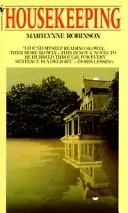
Books like Housekeeping
Years later, what persists is Housekeeping’s strange fusion of sorrow and freedom: its conviction that a home can shelter us, imprison us, and vanish almost as soon as we name it.
If you liked Housekeeping, you’ll love these
Not lookalikes — kindred books. Each one shares something essential with Housekeeping, and we tell you exactly what.
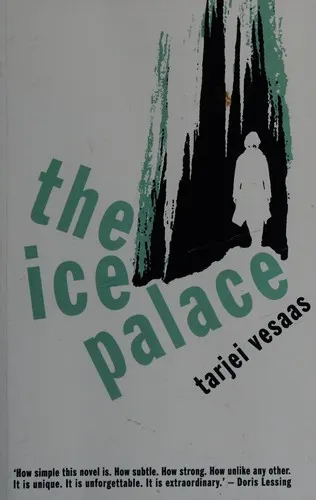
Two eleven-year-old girls, Siss and the solitary Unn, form an immediate, almost wordless bond; nearby, a frozen waterfall has become a glittering labyrinth. Vesaas makes landscape carry consciousness just as Robinson does: ice, darkness, and thaw are physical realities and states of being at once.
Winner of the Nordic Council Literature Prize and now regarded as a Norwegian classic, this short novel has Housekeeping’s austere beauty, its reverence for silence, and its understanding that loneliness can feel both perilous and exalted. Every sentence seems cold-forged and luminous.
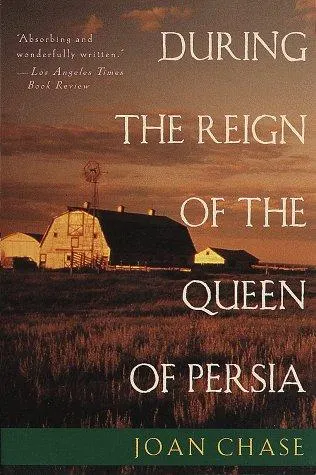
Joan Chase’s only novel follows four granddaughters growing up among mothers, aunts, and a formidable grandmother on an Ohio farm. Its collective “we” lets individual lives emerge from a dense female inheritance of work, illness, desire, rivalry, and care.
A PEN/Hemingway Award winner that has inspired fierce devotion despite decades of neglect, it shares Robinson’s gift for turning domestic life into something immense and metaphysical. Chase writes bodies and fields without sentimentality; beauty never cancels pain. To miss it is to miss one of American fiction’s great, underread accounts of how a household possesses its children long after childhood ends.
Pearl, a young mother unsteady in marriage and in herself, enters an island household crowded with children and charged with an increasingly feral mystery. Joy Williams refuses to explain away its strangeness. Her comedy is dry, her dread is tidal, and ordinary family life seems only a thin arrangement laid over something older and wilder.
This cult novel, rescued after years out of print, will speak to anyone who loved Sylvie’s resistance to respectable domestic order. But Williams is more savage than Robinson: she tests whether motherhood, civilization, and even human identity can hold. The result is hypnotic, funny, and genuinely uncanny—the rare novel whose wilderness seems to be watching you back.