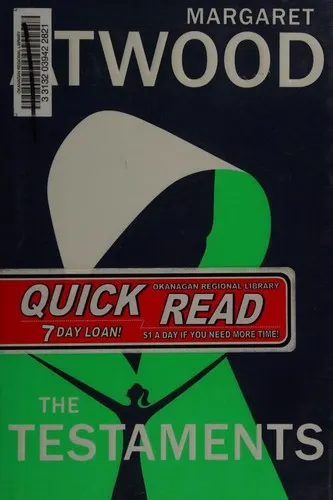
Books like The Testaments
The pages have the illicit velocity of evidence smuggled out of a locked state: three voices, three partial truths, and the mounting suspicion that every confession may also be a weapon.
If you liked The Testaments, you’ll love these
Not lookalikes — kindred books. Each one shares something essential with The Testaments, and we tell you exactly what.
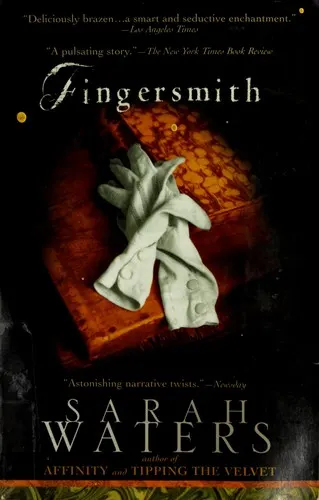
If you loved how The Testaments turns vulnerability, secrecy, and divided loyalties into suspense, Waters’s Booker-shortlisted novel is essential. Its young women inhabit a world eager to classify, confine, and exploit them, yet they learn to manipulate the stories imposed upon them.
Waters plots with astonishing precision: apparent innocence conceals strategy, intimacy is inseparable from mistrust, and each new angle changes the moral meaning of what came before. It has the addictive momentum of a thriller without sacrificing psychological depth—a rare feat that has made Fingersmith a modern historical-fiction classic.
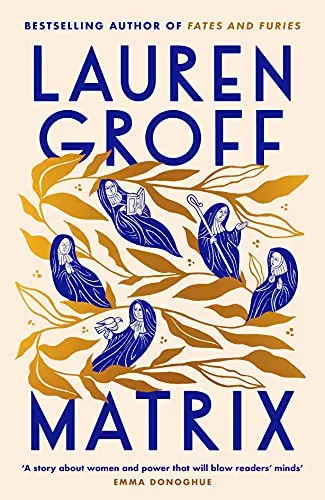
For readers most fascinated by Aunt Lydia, Matrix offers another formidable study of a woman converting humiliation into authority. Seventeen-year-old Marie is banished to an impoverished medieval abbey, where intelligence, appetite, and administrative genius become instruments of survival.
Groff refuses to make female power automatically virtuous. The abbey is refuge, institution, political project, and potential tyranny at once. This National Book Award finalist is written with muscular, visionary intensity; Marie’s audacity makes her the kind of protagonist who enlarges in the imagination long after the final page.
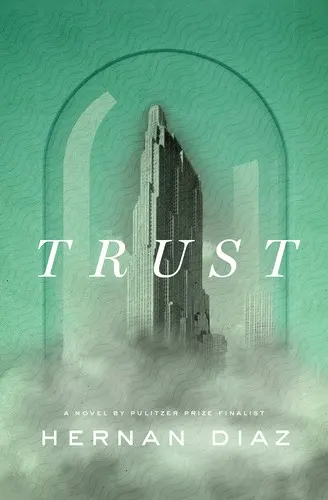
The Testaments asks who gets to leave the authoritative account behind. Pulitzer Prize winner Trust makes that question its entire dazzling mechanism, assembling competing texts around a powerful financier and the woman whom public history has reduced to a supporting role.
Diaz turns archival reconstruction into gripping drama. Each document quietly exposes the interests behind another, while money, gender, authorship, and reputation become intertwined forms of control. Readers who relished piecing together Atwood’s testimonies will find the same active pleasure here—and a devastating demonstration that controlling the record can be the ultimate exercise of power.