Author
Books like John Steinbeck
12 books we recommend to John Steinbeck readers, drawn from Of Mice and Men, East of Eden, The Grapes of Wrath and Cannery Row — each with the reason why.
If you loved Of Mice and Men
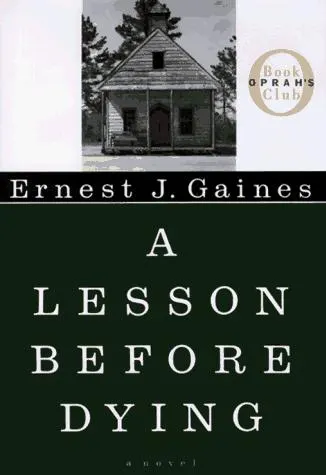
A young Black man in 1940s Louisiana has been sentenced to death, and Grant Wiggins, a disillusioned schoolteacher, is asked to help him face that fate with dignity. As in Of Mice and Men, the terrible outcome is established early; the suspense lies in what one human being can give another before it arrives.
Gaines writes with Steinbeck-like directness, making ordinary gestures carry enormous moral weight. He is equally alert to crushed aspirations, compromised caretakers, and the stubborn worth of people whom society has dismissed. Winner of the National Book Critics Circle Award, this is a devastating but ultimately enlarging novel—one that asks whether companionship can succeed even when rescue is impossible.
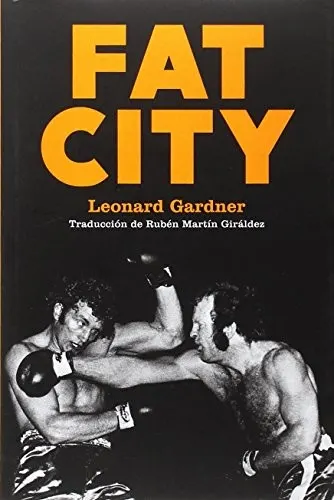
In a worn-down California gym, an aging former boxer recognizes talent in a younger man and urges him into the ring. Gardner is less interested in sporting triumph than in the precarious hopes of people living from one paycheck, harvest, drink, or fight to the next.
Readers who loved Steinbeck’s migrant workers will recognize the unsentimental tenderness: these characters dream not because success is likely, but because imagining another life makes the present bearable. Gardner’s lean dialogue and exact physical detail never romanticize defeat or mock those enduring it. His only novel, published in 1969 and later revived by NYRB Classics, Fat City has acquired the fierce reputation of a neglected masterpiece. It is short, bruising, and nearly impossible to forget.

McCullers builds her novel around John Singer, a quiet man who becomes a confidant to several isolated people in a Southern mill town. Each pours private longings into his attentive silence: ambitions, grievances, visions of justice, and the simple desire to be understood.
The kinship with Of Mice and Men lies in McCullers’s radical sympathy for outsiders—and in her knowledge that closeness does not guarantee true understanding. Her characters can be awkward, selfish, funny, and heartbreaking at once; she never reduces them to symbols of suffering. Published when McCullers was only twenty-three, this astonishing debut became an enduring American classic. Anyone moved by Steinbeck’s tenderness toward lonely, ill-fitted people should not miss its haunting chorus of unheard voices.
If you loved East of Eden
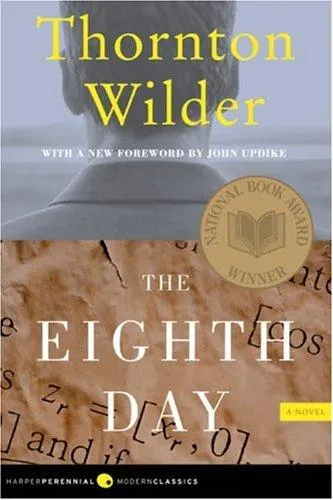
A murder in an Illinois mining town binds two families together, but Wilder soon widens the story into a searching, continent-spanning meditation on work, loyalty, chance, and freedom. Like Steinbeck, he writes as though ordinary lives participate in an ancient drama without ceasing to be stubbornly, comically human.
Winner of the National Book Award in 1968, this is Wilder’s underread masterpiece. Its roaming narrator, generous moral vision, and fascination with whether character is inherited or made give it an unusually close kinship with East of Eden. Readers who love Steinbeck’s grand authorial voice may feel they have discovered its secret companion.
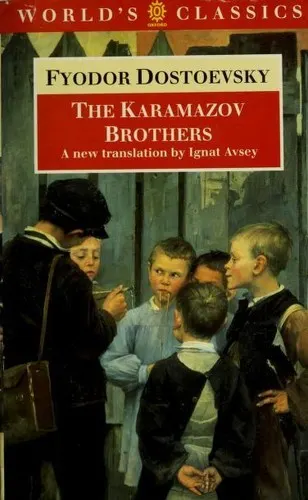
If “timshel” is the word that stayed with you, Dostoevsky’s final novel is indispensable. A dissolute father and his radically different sons become the living instruments of questions Steinbeck also cherished: Are we responsible for one another? Can goodness survive humiliation and desire? Does freedom make salvation possible—or merely make guilt unavoidable?
Yet it never feels like philosophy wearing a costume. Its arguments erupt through jealousies, debts, jokes, appetites, and unforgettable confrontations. Few novels have inspired more passionate rereading, because few make moral choice feel so intellectually immense and so painfully intimate.
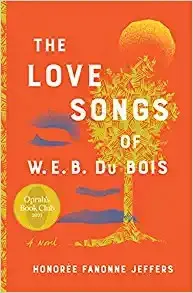
Jeffers builds a whole American history inside one Black family’s genealogy. At its center is Ailey Pearl Garfield, whose effort to understand herself leads through generations of Indigenous, African American, and white ancestors. The past here is not background: it lives in bodies, silences, names, privileges, and recurring harm.
This acclaimed debut, winner of the National Book Critics Circle Award for fiction, matches Steinbeck’s scale while challenging the myths families and nations tell about themselves. Its emotional force comes from the same tension that animates East of Eden: inheritance is powerful, but it is not destiny. By the end, the Garfield family feels less like a cast of characters than a history you have somehow entered and survived.
If you loved The Grapes of Wrath
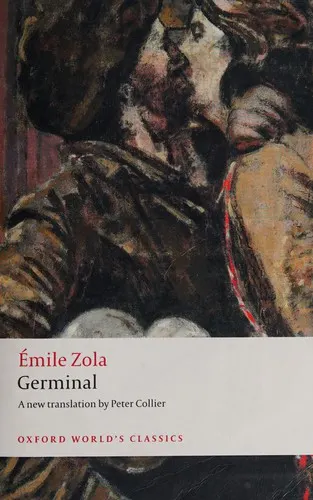
Zola’s great mining novel has the elemental force of Steinbeck: hunger, dangerous labor, and the slow realization that private misery is part of a larger system. When the destitute Étienne Lantier arrives in a northern French mining community, Zola makes every cold room, meager meal, and underground passage physically palpable.
Yet Germinal is more than an indictment. Like The Grapes of Wrath, it expands from one family’s hardship into a collective drama, asking what solidarity costs and what desperation can make possible. Widely regarded as Zola’s masterpiece, it remains one of literature’s defining novels about labor—vast, furious, and impossible to forget.
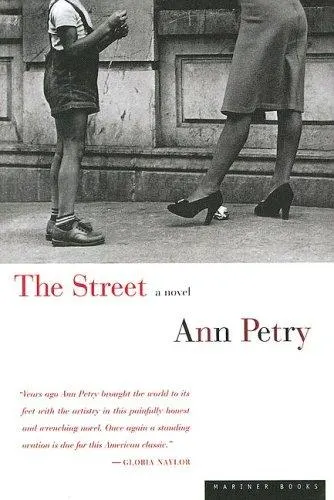
The opening wind that batters Lutie Johnson as she searches Harlem for an apartment announces Petry’s method: social forces become almost physical antagonists. Lutie is intelligent, disciplined, and fiercely determined to build a secure life for herself and her son, but every apparent opportunity is shaped by racism, poverty, and predatory power.
Petry matches Steinbeck’s gift for showing how respectable slogans about hard work can become cruel when the game is rigged. Her city is as vividly alive—and as menacing—as Steinbeck’s highways and camps. The first novel by a Black woman to sell more than a million copies, The Street is both a landmark and a gripping, pressure-filled tragedy that deserves its enduring readership.
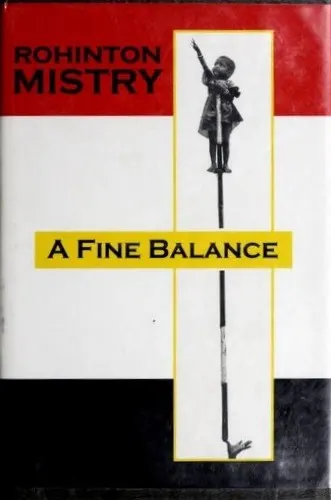
Few novels since Steinbeck have braided individual lives into such a moving portrait of people surviving history. In 1970s India, four strangers from sharply different backgrounds are brought together by work, housing, and necessity. Mistry gives each of them a full interior life while exposing the political and economic machinery narrowing their choices.
What makes the Booker-shortlisted, Giller Prize-winning novel indispensable is its balance of tenderness and anger. It contains cruelty, but also jokes, shared meals, improvisation, and the fragile domestic rituals by which people preserve dignity. Like The Grapes of Wrath, it can make you grieve for particular characters while seeing an entire society more clearly. Its many devoted readers remember it not merely as a social epic, but as an experience.
If you loved Cannery Row
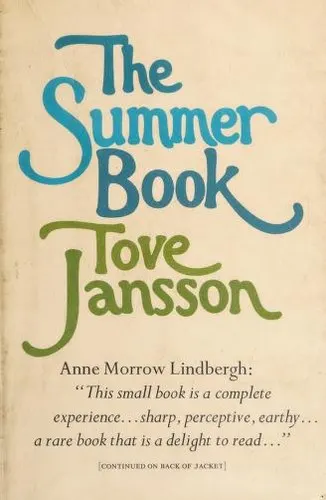
On a small Finnish island, an elderly artist and her six-year-old granddaughter argue, explore, invent games, and circle questions of death and love. Jansson builds the novel from crystalline episodes rather than a driving plot, giving weather, plants, animals, and silences the same attention Steinbeck gives tide pools and vacant lots.
Its kinship with Cannery Row lies especially in its tact: Jansson never explains away eccentricity or forces tenderness into declarations. The comedy is dry, the grief almost hidden, and every short chapter seems larger after it ends. This internationally beloved classic, written by the creator of the Moomins, is the rare book that can be read in an afternoon and remembered as a whole season of one’s life.

Moses Aloetta meets newly arrived Caribbean migrants in postwar London and becomes the weary center of a loose, struggling fellowship. Like Mack and the boys, Selvon’s characters survive through improvisation, tall stories, borrowed money, friendship, and plans whose ingenuity seldom guarantees success.
What makes this landmark novel irresistible is its voice: Selvon reshaped English prose around Caribbean speech, letting narration and conversation flow in the same quick, musical current. The result is exuberantly funny without disguising cold rooms, racism, homesickness, or solitude. Readers who loved Steinbeck’s refusal to judge his drifters will recognize that generosity here—and encounter one of the most influential and alive-sounding novels of postwar Britain.
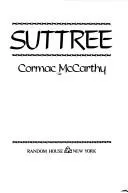
For the reader drawn to the darkness beneath Cannery Row’s comedy, Suttree is the great, demanding feast. Its title character has stepped outside respectable life and joined the drinkers, fishermen, schemers, and dispossessed along the Tennessee River. McCarthy sees them not as social cases but as singular, magnificently talkative human beings.
The language moves between slapstick, filthy anecdote, biblical grandeur, and passages of astonishing natural beauty. It is harsher and more tragic than Steinbeck, yet animated by the same conviction that society’s castoffs deserve epic attention. Many devoted McCarthy readers consider it his richest novel—and certainly his funniest. Missing it means missing one of American fiction’s wildest marriages of low comedy and high lyricism.