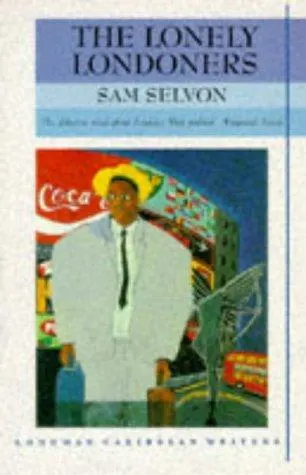
Books like The Lonely Londoners
The miracle of The Lonely Londoners is that its roaming, creolized voice turns cold streets, rented rooms, jokes and disappointments into a world its migrants collectively possess.
If you liked The Lonely Londoners, you’ll love these
Not lookalikes — kindred books. Each one shares something essential with The Lonely Londoners, and we tell you exactly what.
Lovelace gives a poor Port of Spain neighborhood the same fullness Selvon gives his London circle: every swagger, quarrel and comic performance carries a submerged struggle for dignity. At its center is Aldrick, whose carnival dragon costume briefly transforms deprivation into magnificence.
A landmark of Caribbean fiction, the novel moves with the rhythms of speech rather than the decorum of standard literary English. Its community is affectionate but never sentimental, and its comedy keeps opening onto loneliness, thwarted masculinity and political anger. If Selvon showed you how vernacular can contain an entire social history, Lovelace’s fiercer, more carnivalesque masterpiece is indispensable.
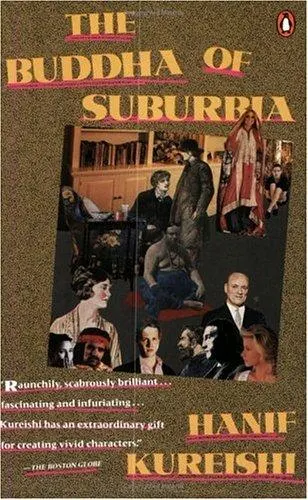
Karim Amir introduces himself as “an Englishman born and bred, almost”—and that “almost” powers one of the funniest, most shamelessly alive novels about belonging in modern Britain. He moves from suburban boredom into London’s theatrical and sexual worlds with appetite, vanity and a sharp eye for everyone’s performance of class, race and authenticity.
Like Selvon, Kureishi understands that wit is not relief from exclusion but a way of surviving and exposing it. The novel’s Whitbread-winning exuberance comes from its irreverent narrator, its unruly ensemble and its refusal to turn immigrant life into a lesson in virtue. Karim’s London is seductive, cruel and absurd; once he starts talking, it is difficult not to follow him everywhere.
Morrison’s narrator treats the city as Selvon’s does: not as scenery, but as rhythm, temptation and a new grammar for people remaking themselves after migration. From its startling opening, Jazz circles a disastrous act of passion, shifting voices and revising its own judgments as though gossip, memory and improvisation were composing the story together.
The kinship lies in motion—the sentences wander, double back, catch another character’s cadence and turn private sorrow into communal music. Yet Morrison’s Harlem is wholly her own: sensual, unstable and charged with the promises that draw newcomers north. One of the Nobel laureate’s boldest formal achievements, Jazz makes narration itself feel like a crowded city performance; missing it means missing one of the great demonstrations of how a novel can swing.