
Books like The Grapes of Wrath
Moral fire. These novels share Steinbeck’s rare ability to turn economic injustice into intimate drama—stories in which suffering never erases humor, solidarity, or human dignity.
If you liked The Grapes of Wrath, you’ll love these
Not lookalikes — kindred books. Each one shares something essential with The Grapes of Wrath, and we tell you exactly what.
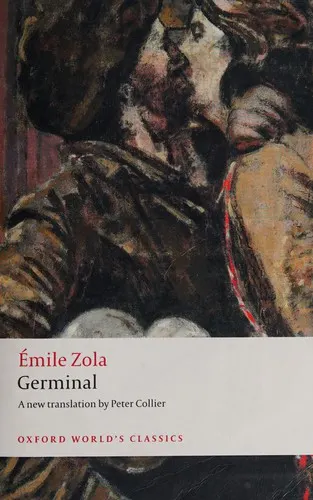
Zola’s great mining novel has the elemental force of Steinbeck: hunger, dangerous labor, and the slow realization that private misery is part of a larger system. When the destitute Étienne Lantier arrives in a northern French mining community, Zola makes every cold room, meager meal, and underground passage physically palpable.
Yet Germinal is more than an indictment. Like The Grapes of Wrath, it expands from one family’s hardship into a collective drama, asking what solidarity costs and what desperation can make possible. Widely regarded as Zola’s masterpiece, it remains one of literature’s defining novels about labor—vast, furious, and impossible to forget.

The opening wind that batters Lutie Johnson as she searches Harlem for an apartment announces Petry’s method: social forces become almost physical antagonists. Lutie is intelligent, disciplined, and fiercely determined to build a secure life for herself and her son, but every apparent opportunity is shaped by racism, poverty, and predatory power.
Petry matches Steinbeck’s gift for showing how respectable slogans about hard work can become cruel when the game is rigged. Her city is as vividly alive—and as menacing—as Steinbeck’s highways and camps. The first novel by a Black woman to sell more than a million copies, The Street is both a landmark and a gripping, pressure-filled tragedy that deserves its enduring readership.
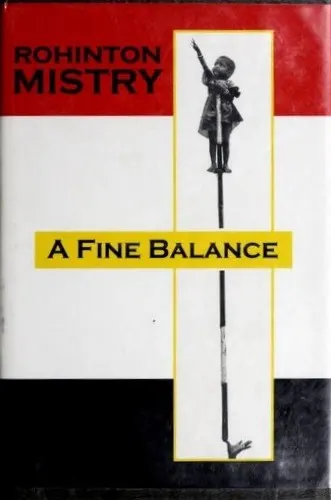
Few novels since Steinbeck have braided individual lives into such a moving portrait of people surviving history. In 1970s India, four strangers from sharply different backgrounds are brought together by work, housing, and necessity. Mistry gives each of them a full interior life while exposing the political and economic machinery narrowing their choices.
What makes the Booker-shortlisted, Giller Prize-winning novel indispensable is its balance of tenderness and anger. It contains cruelty, but also jokes, shared meals, improvisation, and the fragile domestic rituals by which people preserve dignity. Like The Grapes of Wrath, it can make you grieve for particular characters while seeing an entire society more clearly. Its many devoted readers remember it not merely as a social epic, but as an experience.