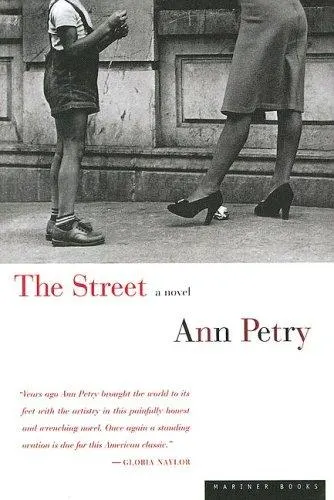
Books like The Street
Pressure. Ann Petry makes poverty, racism, sexual menace, and motherhood converge until the city itself seems to close around Lutie Johnson. These novels share that moral intensity while transforming it through communal portraiture, furious noir, and intimate lyricism.
If you liked The Street, you’ll love these
Not lookalikes — kindred books. Each one shares something essential with The Street, and we tell you exactly what.
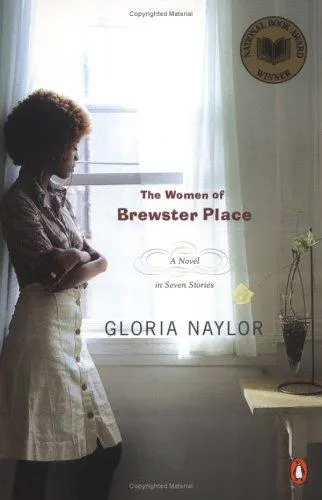
Brewster Place is more than an address: like Petry’s 116th Street, it channels social neglect into the rooms and choices of the people living there. Naylor follows seven Black women whose distinct voices reveal how housing, money, desire, and male power shape private life without ever reducing them to examples of oppression.
Winner of the National Book Award for First Novel, it feels like a brilliant expansion of Petry’s method—from one woman’s tightening trap to a whole community’s interlocking struggles. Naylor’s prose can be warm, bawdy, and lyrical, but its accumulating force is devastating.
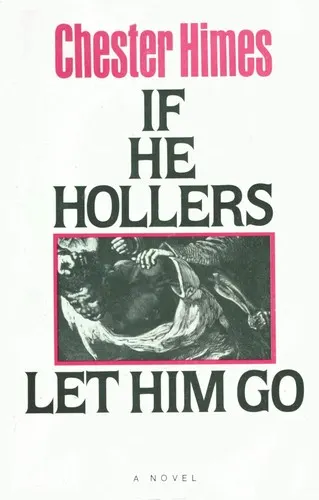
For the frightening momentum of The Street, read Himes’s pressure-cooker debut. Bob Jones works in a wartime Los Angeles shipyard, where every encounter is charged by racism, suspicion, thwarted ambition, and his own combustible anger. The novel moves with noir speed while showing how constant humiliation distorts perception and corrodes judgment.
Himes is harsher and more feverish than Petry, and Bob is deliberately difficult—his treatment of women is part of the book’s ugliness—but both writers understand that social violence becomes psychological weather. Few novels make entrapment feel so immediate: once Bob’s working day begins, the tension scarcely releases.
Maud Martha offers a quieter but profound companion to Lutie Johnson. In brief, jewel-like chapters, Brooks records the moments by which a Black woman is diminished—through colorism, condescension, domestic expectations, and casual cruelty—and the equally important moments in which she preserves her inward freedom.
Brooks, the first Black writer to win the Pulitzer Prize, published only this one novel. Its reputation has steadily grown because readers recognize how much life she compresses into apparently ordinary scenes. Where Petry builds toward catastrophe, Brooks makes attention itself an act of resistance. Missing Maud Martha would mean missing one of American fiction’s most exact and quietly triumphant portraits of Black womanhood.