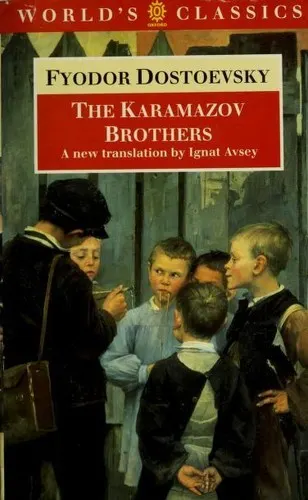
Books like The Brothers Karamazov
After Karamazov, ordinary seriousness can feel thin. One wants another novel in which ideas become passions, faith wrestles with freedom, and every soul seems capable of sanctity, absurdity, and ruin—sometimes in the same conversation.
If you liked The Brothers Karamazov, you’ll love these
Not lookalikes — kindred books. Each one shares something essential with The Brothers Karamazov, and we tell you exactly what.
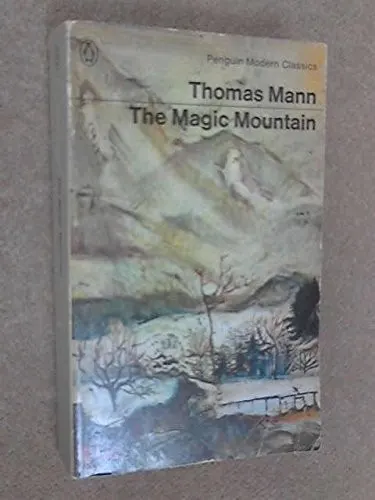
Hans Castorp arrives at an Alpine sanatorium intending to stay for three weeks and discovers a sealed world where time loosens and conversation becomes combat. As in Dostoyevsky, philosophical positions are never merely positions: they acquire voices, vanities, seductions, and dangerous emotional force.
Mann replaces the Karamazovs’ religious fever with an exquisitely controlled comedy of ideas, but he shares Dostoyevsky’s fascination with illness, death, eros, and the competing claims made upon an impressionable soul. The result—one of the defining European novels of the twentieth century—can make an argument about human freedom feel as suspenseful as a family crisis.
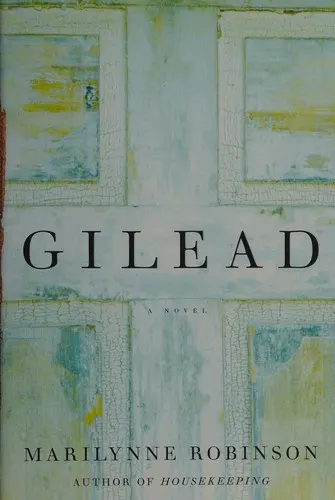
This Pulitzer Prize winner approaches Dostoyevsky’s great questions from the opposite direction: not through uproar, but through the measured voice of an elderly minister writing to the young son he will not live to see grow up. Beneath that serenity lie old grievances, troubled inheritances, and the fear that our moral judgments may conceal failures of love.
Robinson is extraordinary on the difficulty of grace: not grace as a comforting doctrine, but as the nearly unbearable demand to see another person whole. Readers moved by Alyosha’s spiritual intelligence, by the novel’s fathers and sons, or by its insistence that doubt belongs inside faith will find Gilead quietly devastating. Few novels make goodness feel so intellectually serious—or so hard won.
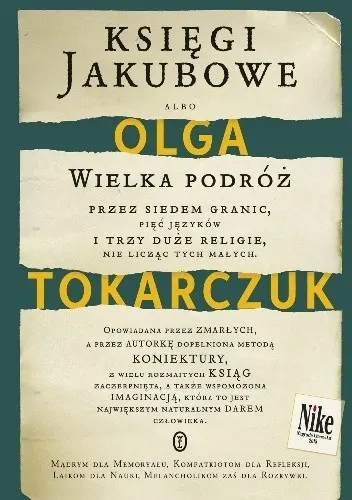
Tokarczuk’s immense, many-voiced novel follows the rise of the eighteenth-century religious leader Jacob Frank through the testimony of disciples, skeptics, family members, clerics, and observers. No single account masters him. Charisma may be revelation, fraud, liberation, appetite, or several of these at once.
That polyphony creates a distinctly Karamazov-like moral pressure: belief is inseparable from personality, spiritual longing from bodily need, and the search for freedom from the temptation to dominate others. Tokarczuk—later awarded the Nobel Prize—won Poland’s Nike Award for this audacious work. Its scale is formidable, but so is its reward: an entire world arguing over God, authority, identity, and who gets to define the truth.