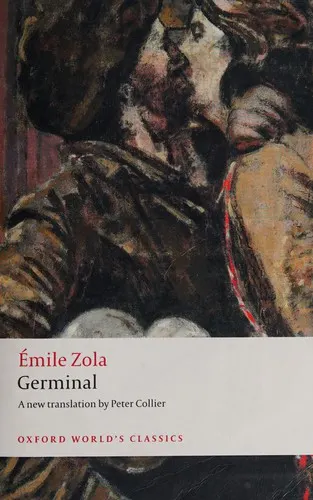
Books like Germinal
The reader who loves Germinal wants social outrage made physically immediate: work that scars the body, poverty that shapes thought, and crowds rendered with the force and complexity usually reserved for individual heroes.
If you liked Germinal, you’ll love these
Not lookalikes — kindred books. Each one shares something essential with Germinal, and we tell you exactly what.

Sembène’s great novel of the Dakar–Niger railway strike shares Zola’s rare ability to make collective action feel both epic and intimately human. Moving among households and communities, it shows hunger, pride, fear and political awakening spreading through a whole society rather than reducing history to a few leaders.
Yet this is no imitation of Germinal. Colonial power complicates the struggle, and Sembène gives women an especially vivid presence within the strike’s social world. A foundational work of modern African literature, it has the breadth, moral heat and crowded vitality of a classic—and belongs beside Zola rather than beneath him.
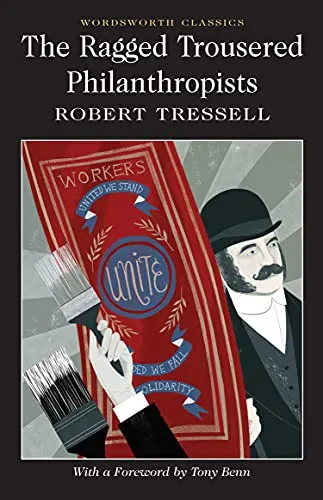
Tressell takes the question burning inside Germinal—why do people sustain a system that impoverishes them?—and carries it into the daily routines of a crew of English house painters. Every rushed job, docked wage and lunchtime argument exposes another mechanism by which exploitation comes to seem natural.
Its title contains the novel’s bitter joke: the workers are “philanthropists” because they continually give their labour and health to enrich others. Written by a working decorator and published after his death, it became a cherished classic of the British labour movement. Its anger is sharpened by rough humour, practical knowledge and the unmistakable conviction of lived experience.

Steinbeck matches Zola in turning material deprivation into something elemental. The Joad family’s dispossession is set against panoramic chapters about banks, roads, machines, weather and migrating crowds, so that private suffering becomes the visible pressure of an entire economic order.
What makes the novel indispensable is its fusion of documentary concreteness with biblical cadence. It can describe a broken possession or a hungry child with ruthless simplicity, then widen into a chorus of communal endurance and anger. The Pulitzer Prize confirmed its immediate stature, but its lasting power lies in how fiercely it insists that dignity survives even when every institution conspires against it.