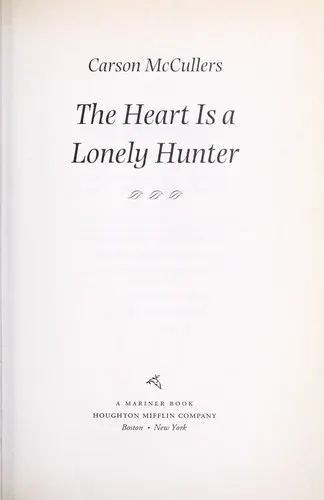
Books like The Heart Is a Lonely Hunter
Elizabeth Taylor lets loneliness circulate through an entire community; Brian Moore confines it within one painfully hopeful consciousness. Magda Szabó turns the same hunger for connection into a fierce moral reckoning.
If you liked The Heart Is a Lonely Hunter, you’ll love these
Not lookalikes — kindred books. Each one shares something essential with The Heart Is a Lonely Hunter, and we tell you exactly what.
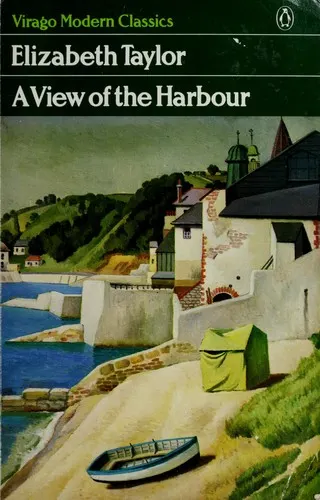
Taylor moves among the inhabitants of a fading seaside town with McCullers’s rare combination of intimacy and distance. A novelist overlooks her daughter’s needs; friends talk past one another; a newcomer watches everyone while understanding less than he thinks. Each person becomes vivid not through dramatic revelations but through gestures, evasions, and misplaced hopes.
Like McCullers, Taylor sees that loneliness can thrive amid constant company, and she refuses to divide her cast into victims and villains. Her wit is cooler, but beneath it lies enormous tenderness. Long cherished as a novelist’s novelist, Taylor deserves the wider devotion McCullers inspires; this exquisitely controlled ensemble novel shows why.
Judith Hearne arrives at a Belfast boarding house carrying a few treasured possessions and an almost indestructible hope that life may yet admit her. Moore makes every small social calculation—where to sit, what to say, whether an invitation means anything—feel momentous.
A reader who responded to McCullers’s compassion for people others dismiss will recognize the achievement immediately. Moore never sentimentalizes Judith, yet he grants her longing its full dignity, exposing the forces of class, religion, gender, and self-deception that have narrowed her world. The novel established his serious literary reputation, and its emotional precision remains startling: Judith is not merely observed but made impossible to forget.

Szabó’s novel begins as a confession: a celebrated writer believes she has betrayed Emerence, the formidable housekeeper who transformed her life. From that opening, the book examines an intimate bond between two women who need one another yet speak incompatible emotional languages.
McCullers’s characters pour their private selves into someone they cannot truly know; Szabó makes that failure of understanding the center of a relationship shaped by pride, class, secrecy, and competing ideas of love. Emerence is one of modern fiction’s great creations—commanding, exasperating, generous, and resolutely unknowable. Acclaimed internationally and embraced anew in Len Rix’s English translation, The Door has the force of a private wound turned into art.