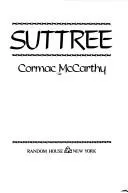
Books like Suttree
The underworld. Suttree descends into it without surrendering comedy, beauty, or fellow feeling: its ruined people are grotesque and ridiculous, yet rendered with an almost biblical majesty. These three novels preserve different parts of that volatile mixture.
If you liked Suttree, you’ll love these
Not lookalikes — kindred books. Each one shares something essential with Suttree, and we tell you exactly what.
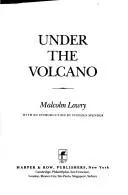
Lowry’s masterpiece offers the closest equivalent to McCarthy’s fusion of verbal splendor and self-destruction. On the Day of the Dead in Mexico, an alcoholic former British consul moves through a world charged with private guilt, political menace, hallucination, and cosmic significance. Like Suttree, he is both participant and estranged observer, lucid enough to understand his ruin but not necessarily to escape it.
The prose can turn a cantina, a garden, or a distant volcano into an emblem of damnation, yet the book is also painfully funny and crowded with the humiliating logistics of drink. Its reputation as one of the great modern novels was hard won—the book’s density defeated some early readers, then inspired a fierce, lasting devotion. Anyone who loves the way Suttree makes degradation visionary should experience Lowry’s even more feverish descent.
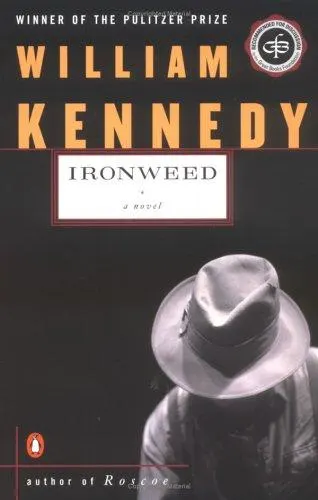
Francis Phelan returns to Albany carrying the memories of those he has failed and the dead he cannot dismiss. Kennedy writes the dispossessed from within: hunger, cold, drink, shame, jokes, stubborn loyalties. His derelicts are never exhibits in a social argument. They possess histories, vanity, imagination, and an unruly dignity—the same moral generosity that makes Suttree’s Knoxville companions unforgettable.
Winner of the Pulitzer Prize and the defining novel of Kennedy’s Albany cycle, Ironweed earns its supernatural touches through emotional precision. Its language is less torrential than McCarthy’s, but it can rise suddenly from street grit into haunted eloquence. Read it for Francis’s battered consciousness and for a vision of failure that refuses both sentimentality and contempt.
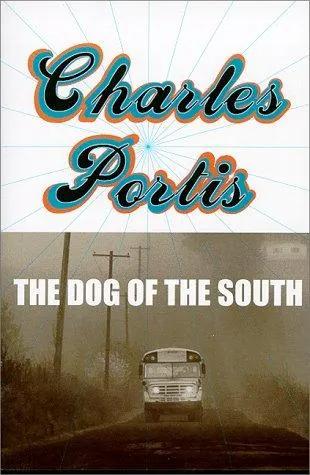
For the part of Suttree that makes you laugh aloud amid squalor, read Portis. Ray Midge’s wife has fled with another man—and with Ray’s car and credit cards—so he sets off after them, narrating his pursuit with pedantic calm while attracting eccentrics, frauds, and monomaniacs. Portis’s sentences are clean where McCarthy’s are baroque, but both writers understand that character is revealed most vividly through peculiar speech, misplaced pride, and magnificent uselessness.
Portis became a writers’ writer and a cult favorite because no one else quite matched his deadpan timing or affection for crackpots. The Dog of the South is not merely comic relief after Suttree: beneath its absurdity lies the same fascination with men who abandon respectable life and then invent elaborate principles to explain themselves. Missing Portis means missing one of American fiction’s funniest and most exact voices.