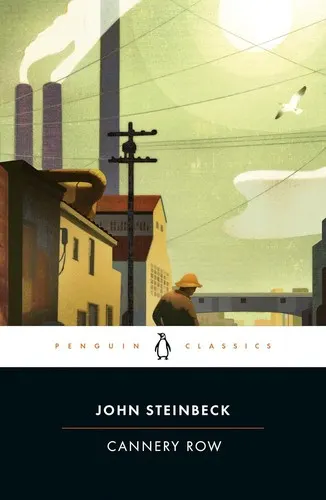
Books like Cannery Row
Salt air, busted plans, companionable idleness, and sorrow kept from turning sentimental: these novels preserve the peculiar warmth of watching imperfect people make a world together.
If you liked Cannery Row, you’ll love these
Not lookalikes — kindred books. Each one shares something essential with Cannery Row, and we tell you exactly what.
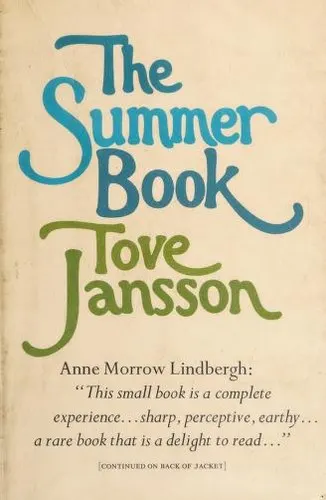
On a small Finnish island, an elderly artist and her six-year-old granddaughter argue, explore, invent games, and circle questions of death and love. Jansson builds the novel from crystalline episodes rather than a driving plot, giving weather, plants, animals, and silences the same attention Steinbeck gives tide pools and vacant lots.
Its kinship with Cannery Row lies especially in its tact: Jansson never explains away eccentricity or forces tenderness into declarations. The comedy is dry, the grief almost hidden, and every short chapter seems larger after it ends. This internationally beloved classic, written by the creator of the Moomins, is the rare book that can be read in an afternoon and remembered as a whole season of one’s life.

Moses Aloetta meets newly arrived Caribbean migrants in postwar London and becomes the weary center of a loose, struggling fellowship. Like Mack and the boys, Selvon’s characters survive through improvisation, tall stories, borrowed money, friendship, and plans whose ingenuity seldom guarantees success.
What makes this landmark novel irresistible is its voice: Selvon reshaped English prose around Caribbean speech, letting narration and conversation flow in the same quick, musical current. The result is exuberantly funny without disguising cold rooms, racism, homesickness, or solitude. Readers who loved Steinbeck’s refusal to judge his drifters will recognize that generosity here—and encounter one of the most influential and alive-sounding novels of postwar Britain.
For the reader drawn to the darkness beneath Cannery Row’s comedy, Suttree is the great, demanding feast. Its title character has stepped outside respectable life and joined the drinkers, fishermen, schemers, and dispossessed along the Tennessee River. McCarthy sees them not as social cases but as singular, magnificently talkative human beings.
The language moves between slapstick, filthy anecdote, biblical grandeur, and passages of astonishing natural beauty. It is harsher and more tragic than Steinbeck, yet animated by the same conviction that society’s castoffs deserve epic attention. Many devoted McCarthy readers consider it his richest novel—and certainly his funniest. Missing it means missing one of American fiction’s wildest marriages of low comedy and high lyricism.