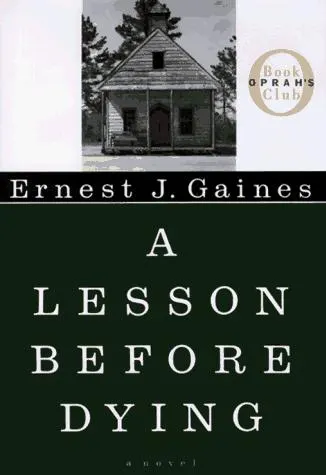
Books like A Lesson Before Dying
It feels like a quiet weight gathering sentence by sentence: shame, anger, tenderness, and finally the difficult possibility that dignity can be created even when justice has been denied. These novels exert that same moral pressure without offering easy consolation.
If you liked A Lesson Before Dying, you’ll love these
Not lookalikes — kindred books. Each one shares something essential with A Lesson Before Dying, and we tell you exactly what.
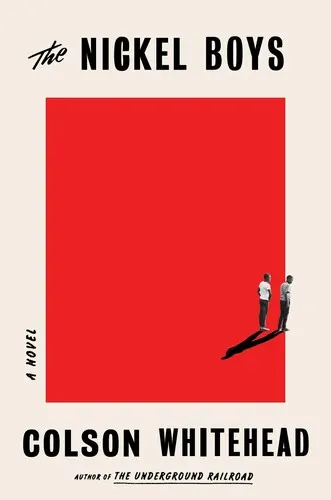
Whitehead’s Pulitzer Prize winner has Gaines’s rare combination of restraint and devastating moral clarity. Elwood Curtis enters a brutal reform school armed with an earnest belief in justice; his friend Turner trusts only survival. The tension between them turns the novel into more than an account of racist violence—it becomes an argument about what integrity costs when the world punishes it.
Like Gaines, Whitehead refuses melodrama. His clean, compressed prose makes every kindness, compromise, and betrayal register with extraordinary force. Few modern novels ask so sharply whether a person can be stripped of power without surrendering his moral identity.
Here Gaines expands one man’s struggle for dignity into a collective act of courage. After a white Cajun farmer is found dead, a group of elderly Black men gather at the scene, each carrying a shotgun and claiming responsibility. Men long accustomed to swallowing fear begin speaking in voices they scarcely knew they possessed.
The many narrators give this novel a livelier, more communal texture than A Lesson Before Dying, but its deepest movement is the same: people cease accepting the diminished selves that racism has assigned them. It is Gaines at his most generous and dramatic, showing bravery spreading from person to person until an entire community stands differently.
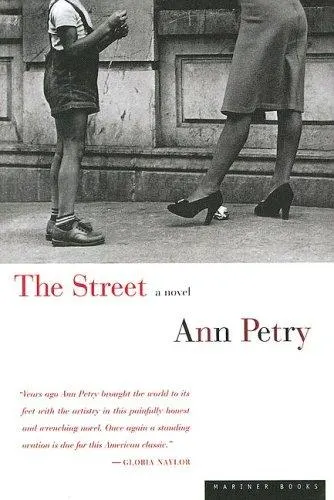
Lutie Johnson wants what should be ordinary: a safe home, economic independence, and a better life for her son. Petry makes the Harlem street where she searches for an apartment feel like a predatory force, then reveals the landlords, employers, sexual coercion, and racial exclusions behind that force.
What connects Petry to Gaines is her refusal to confuse moral judgment with easy judgment. She sees exactly how institutions narrow a person’s choices while preserving the full complexity of the person trapped among them. Published in 1946, The Street became the first novel by a Black woman to sell more than a million copies, and its pressure-cooker intensity has not dated. It is fiercer and more claustrophobic than Gaines’s novel, but equally unforgettable in its insistence that character matters even when character alone cannot defeat the world.