Author
Books like Ian McEwan
11 books we recommend to Ian McEwan readers, drawn from Atonement, The Cement Garden, The Children Act and Sweet Tooth — each with the reason why.
If you loved Atonement
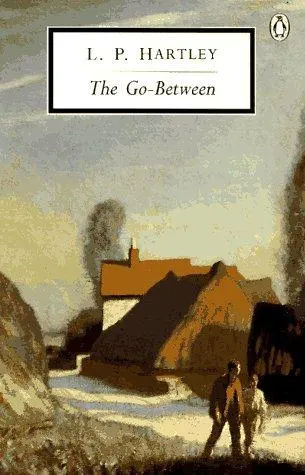
An elderly man discovers a diary from the summer of 1900 and is forced to revisit the moment when, as a boy, he carried messages between adults whose desires he only dimly understood. Like Atonement, Hartley’s novel makes innocence dangerous: a child misreads the adult world, class decorum disguises cruelty, and understanding arrives decades too late.
Its celebrated opening—“The past is a foreign country”—has endured because the entire novel earns it. Hartley’s calm, lucid prose tightens almost imperceptibly around the reader; what begins as a sunlit memory becomes a study of complicity, shame, and the lifelong cost of being used. Few novels match Atonement so closely in making retrospection feel both like revelation and punishment.
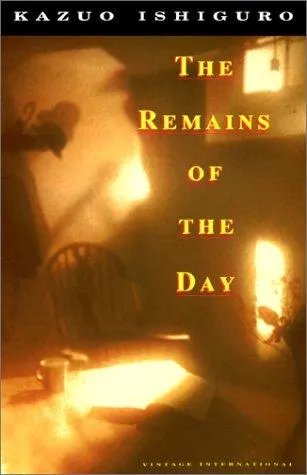
Stevens, an English butler taking a rare motoring holiday, begins to reconsider his years of devoted service to a powerful aristocrat. The journey’s true drama lies in what his polished narration avoids: political judgment, emotional surrender, and the possibility that dignity has been confused with self-erasure.
Atonement readers will recognize the exquisite tension between elegant language and unbearable knowledge. Ishiguro, who won the Booker Prize for this novel and later the Nobel, lets omissions accumulate until restraint itself becomes tragic. The book’s final pages are famous for their quiet force; by then, every impeccably chosen word seems to contain a life that might have been lived.
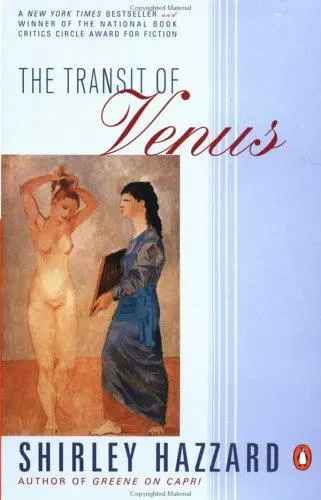
Two orphaned Australian sisters arrive in postwar England, entering a social world of love, ambition, privilege, and concealed calculation. Hazzard moves across decades with extraordinary assurance, planting apparently casual sentences whose significance may not become clear until hundreds of pages later.
That architectural precision is the deepest kinship with Atonement: both novels make time an instrument of suspense and rereading a radically different experience. Yet Hazzard’s voice is entirely her own—compressed, glittering, and mercilessly intelligent. Winner of the National Book Critics Circle Award and cherished by generations of writers, The Transit of Venus is one of those rare novels whose design becomes visible only as it closes around you.
If you loved The Cement Garden
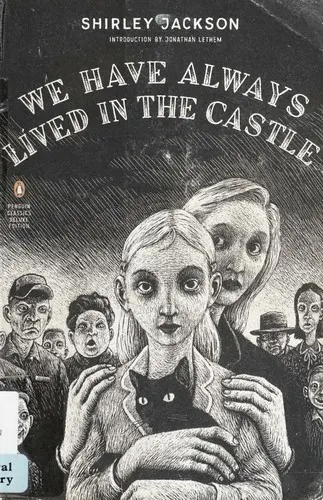
Merricat Blackwood lives with her sister Constance and uncle Julian in a grand house shadowed by a family catastrophe and the surrounding village’s hatred. Like The Cement Garden, Jackson’s final novel traps you inside a household whose strange arrangements feel both monstrous and perfectly reasonable to those within it.
The real kinship lies in the voice: Merricat’s watchful, superstitious narration makes innocence impossible to separate from malice. Jackson’s sentences are lighter and more playful than McEwan’s, but just as controlled; every domestic ritual carries a faint threat. Now established as a gothic classic, the novel inspires unusual devotion because its sinister intimacy is so seductive—you do not merely observe the Blackwoods’ sealed world; you begin wanting to defend it.
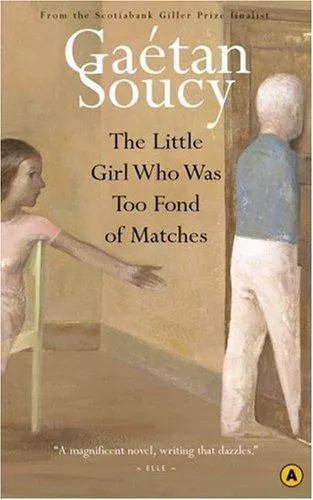
After their father dies, two siblings raised in near-total isolation must confront the world beyond their decaying estate. That premise may recall The Cement Garden, but Soucy’s deeper achievement is to show a mind inventing reality from inadequate materials: scraps of religion, corrupted family lore, commands, fears and half-understood words.
The narrator’s bizarre, biblical, darkly comic idiom makes the novel feel like a forbidden fairy tale being created as you read. Its shocks arise not from sensationalism but from the gradual realization that language itself has concealed the household’s truth. This compact Quebecois cult novel is stranger and more feverish than McEwan’s, yet it shares his ability to make childhood autonomy alluring, appalling and heartbreakingly fragile.
Thirteen-year-old Noboru belongs to a gang of boys who reject ordinary morality in favor of an austere creed of strength, purity and absolute consequence. When his widowed mother begins a relationship with a sailor, Noboru watches adult desire collide with the severe imaginative system he and his friends have built.
A reader of The Cement Garden will recognize the unnerving seriousness with which children can enforce their own logic—and the way sexuality, secrecy and disgust become inseparable. Mishima writes with icy elegance, making beauty itself feel dangerous; tenderness can suddenly look like weakness, and disappointment like betrayal. One of his most widely read short novels, it has retained its power because it refuses to soften either adolescent cruelty or the intoxicating ideas behind it.
If you loved The Children Act
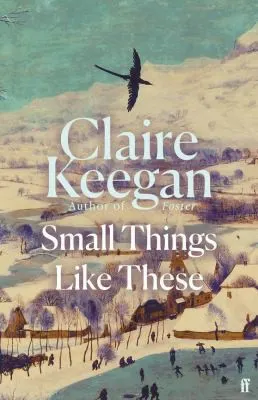
Like Fiona Maye, Bill Furlong is a respected professional whose ordinary work brings him into contact with an institution protected by custom and silence. Keegan makes invoices, coal dust and winter cold carry enormous moral weight: the question is not merely what is right, but what doing right might cost one’s family, livelihood and place in the community.
Booker-shortlisted and already regarded as a modern Irish classic, this very short novel has McEwan’s gift for turning ethical argument into lived experience. Its restraint makes the final pages feel all the more momentous.
An old friend with cancer comes to stay while pursuing an alternative treatment, and hospitality quickly becomes an ordeal of hope, denial, tenderness and rage. Garner refuses the comforting idea that love automatically makes us patient or selfless. Her narrator’s irritation is as morally important as her generosity, and every act of care raises the question of where responsibility should end.
Readers who admired Fiona’s intelligence—and the painful limits of that intelligence—will recognize Garner’s unsentimental scrutiny. One of Australia’s most admired writers, she produces here a compact, fiercely candid novel that readers often press into other people’s hands.
If you loved Sweet Tooth
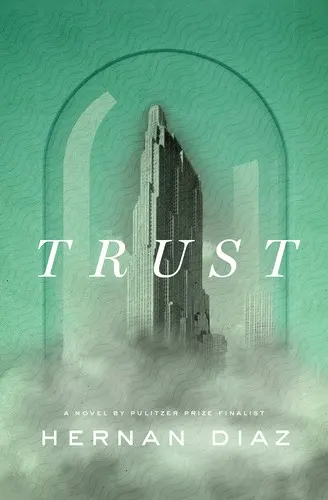
Like Sweet Tooth, Trust makes you enjoy a story and then question who constructed it, whose interests it serves, and which voices have been suppressed. Its account of a legendary financier and his enigmatic wife unfolds through competing texts, each revising the last. The result is less a puzzle with a trick solution than a gripping struggle over money, intimacy, and authorship.
Diaz’s Pulitzer Prize–winning novel has the clean momentum of popular fiction and the structural daring of high modernism. If McEwan delighted you by turning narrative manipulation into emotional drama, Trust is essential: few recent novels have made the act of revision feel so consequential.
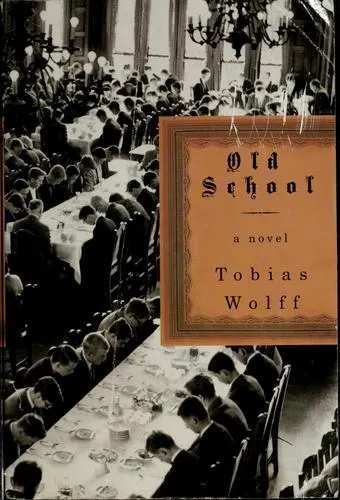
At an elite American boarding school, boys compete for the attention of visiting literary giants, treating writing as a route to glory, identity, and escape. Wolff captures the dangerous hunger beneath literary ambition: the desire not merely to write well, but to become the kind of person whose life deserves to be written.
A master of compression, Wolff builds the novel with the poise and cumulative force of his finest short stories. Its kinship with Sweet Tooth lies in its understanding that readers fall in love with imagined authors—and that writers may begin by inventing themselves. Wry, lucid, and quietly devastating, Old School is among the sharpest novels ever written about the moral cost of wanting literature too much.
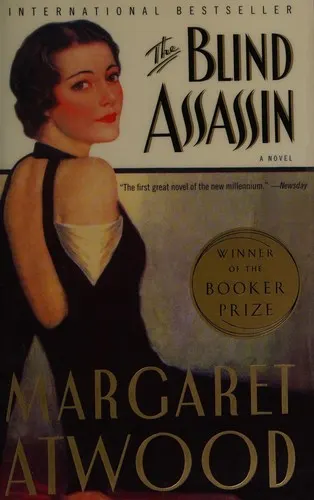
The novel opens with the death of Laura Chase, then moves among newspaper clippings, her elderly sister’s memories, a notorious book attributed to Laura, and a pulp science-fiction tale told inside that book. Atwood makes these layers compulsively readable while teaching you to notice omissions, evasions, and the charged question of who is speaking for whom.
Winner of the Booker Prize, The Blind Assassin offers the retrospective snap of Sweet Tooth on a grander, more haunting scale. Both novels entwine love with literary creation and make authorship part of the romantic mystery. Atwood’s intricate design never smothers the human ache beneath it; by the end, every embedded story has become evidence, confession, and resistance.