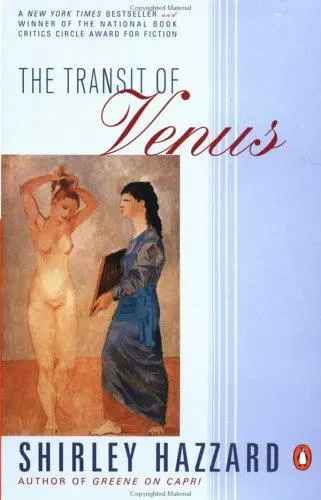
Books like The Transit of Venus
A Budapest housekeeper with hands like a laborer’s may seem far from Hazzard’s poised international world, but Magda Szabó’s The Door begins from the same irresistible premise: love is also a test of character, and understanding may arrive only after it can do no good. The three novels below share Hazzard’s compression, moral intelligence, and sense that a whole life can pivot on one misread gesture.
If you liked The Transit of Venus, you’ll love these
Not lookalikes — kindred books. Each one shares something essential with The Transit of Venus, and we tell you exactly what.

The narrator, a writer, hires the formidable Emerence to keep house—and tells us immediately that she bears responsibility for what happened between them. From that confession, Szabó constructs an intimate contest between two proud women whose affection is inseparable from secrecy, authority, gratitude, and betrayal.
Like The Transit of Venus, The Door makes hindsight feel tragic rather than clarifying: the narrator can interpret every charged exchange, yet interpretation cannot repair it. Len Rix’s translation preserves a prose at once severe and feverishly emotional. Long revered in Hungary and now an international classic, this is the rare novel whose final moral force seems to alter everything that preceded it.
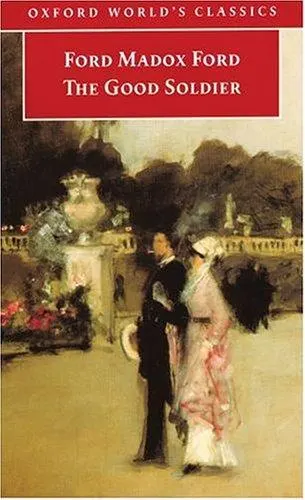
“This is the saddest story I have ever heard” is not merely a famous opening; it is the key to one of fiction’s most intricate demonstrations of how badly people understand the lives nearest them. An American narrator looks back on the friendship between two apparently civilized couples who met at a German spa, rearranging memories as his certainties fail him.
A reader who loved Hazzard’s devastating foreshadowing and temporal leaps will recognize the pleasure here: crucial facts appear almost casually, then gather fatal weight. Ford’s narrator is less a puzzle to solve than a consciousness to inhabit, full of blindness, tenderness, and self-protection. The Good Soldier has influenced generations of novelists because its structure does what memory itself does—circles, suppresses, revises—and few books make rereading so necessary or so rewarding.
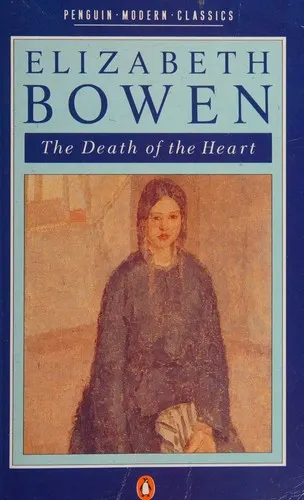
Sixteen-year-old Portia arrives in the polished London household of her half-brother Thomas and his wife, Anna. She watches the adults with disconcerting openness; they, in turn, resent the judgment implied by her innocence. When Anna secretly reads Portia’s diary, Bowen establishes the novel’s central cruelty: sophisticated people claiming the right to define feelings they are too defended to experience honestly.
Bowen matches Hazzard in her ability to turn drawing-room conversation into emotional combat. A hesitation, a visit, or a slightly false phrase exposes entire systems of class, vanity, and fear. Yet Portia is never merely a victim, nor are the adults simple villains; everyone is caught between the desire to love and the wish to remain invulnerable. Often regarded as Bowen’s masterpiece, The Death of the Heart offers the same bracing exhilaration as Hazzard: elegance sharpened until it cuts.