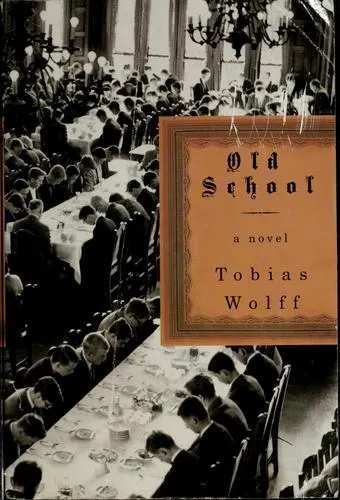
Books like Old School
Readers drawn to Old School tend to prize lucid prose, literary hunger, and stories in which cultivated self-images slowly crack under moral pressure. These three novels share Wolff’s fascination with belonging, art, memory, and the lies people tell in order to become who they wish they were.
If you liked Old School, you’ll love these
Not lookalikes — kindred books. Each one shares something essential with Old School, and we tell you exactly what.
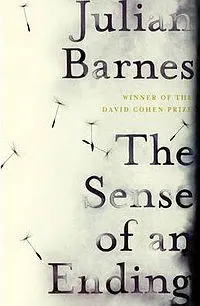
Like Wolff, Barnes understands that retrospective narration can be both confession and defense. His narrator, Tony Webster, considers himself peaceable and sensible; when a bequest returns him to an uncomfortable episode from his youth, that modest self-portrait begins to look increasingly selective.
This Booker Prize winner is nearly as compressed as Old School and comparably exact about vanity, shame, and the treachery of memory. Barnes never raises his voice: ordinary phrases acquire new meanings, omissions become evidence, and apparent good sense shades into evasion. Anyone who admired the way Wolff makes one youthful act expose an entire structure of self-deception will find this short novel almost impossible to put down—and even harder to stop reconsidering.
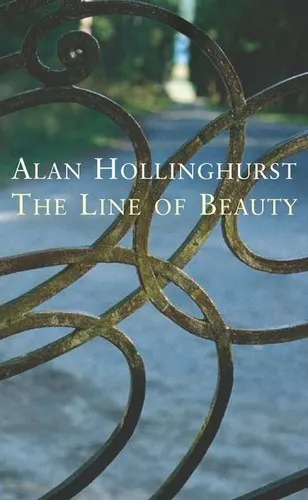
Nick Guest enters the wealthy Fedden household carrying the credentials of an Oxford aesthete but none of the family’s money or assurance. His love of Henry James and beautiful things gives him genuine sensitivity; it also helps him aestheticize privilege, appetite, and his own precarious position.
Hollinghurst’s Booker-winning novel expands Old School’s outsider psychology onto a dazzling social canvas. Both books understand the ache of being admitted without quite belonging, and the dangerous hope that taste can confer identity. The prose has the polish Nick worships, while its social observation is mercilessly alert to every pause, invitation, and humiliation. It is a sumptuous novel with a moral blade hidden inside it.
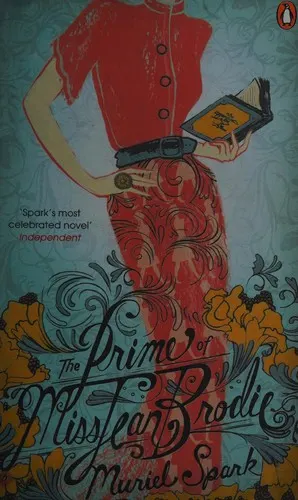
Miss Brodie treats education as an art of self-creation. She selects a group of girls as her special set, feeds them her tastes and romantic mythology, and makes influence feel like liberation. Spark, however, watches this charismatic performance with a colder and more agile intelligence.
The novel shares Old School’s deepest question: when does devotion to style become an excuse for moral blindness? Spark’s fractured chronology turns admiration, betrayal, and hindsight into a compact formal game; a detail tossed off early may suddenly become devastating pages later. Long established as Spark’s signature masterpiece, it is funny, severe, endlessly rereadable, and proof that a very short novel can contain a whole education in power.